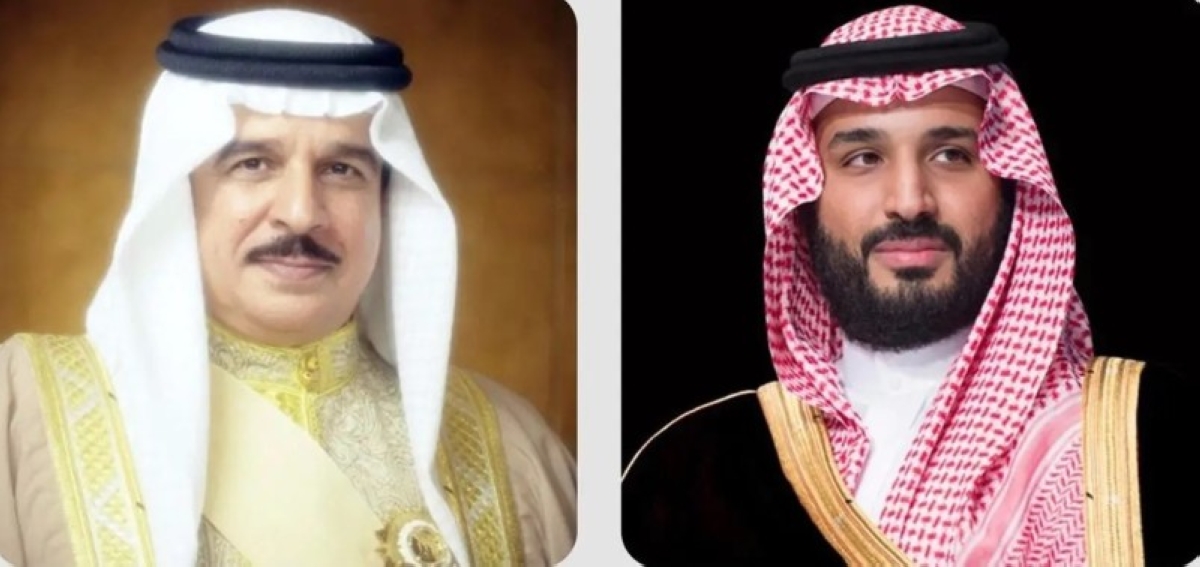

MANAMA – Saudi Crown Prince and Prime Minister Mohammed bin Salman has concluded a visit to Bahrain following the 46th session of the Gulf Cooperation Council (GCC) Supreme Council. The Crown Prince expressed gratitude to King Hamad bin Isa Al Khalifa and Prince Salman bin Hamad Al Khalifa for their hospitality, highlighting the productive discussions surrounding regional stability and Saudi-Bahrain relations. The visit underscores the ongoing efforts to strengthen ties between the two nations.
The departure from Manama, Bahrain, occurred shortly after the conclusion of the GCC summit on Tuesday. Crown Prince Mohammed bin Salman conveyed his thanks through official cables sent to both the King and Crown Prince of Bahrain, acknowledging the warm reception given to him and the Saudi delegation. The summit focused on a range of critical issues facing the Gulf region, including economic cooperation and security challenges.
Strengthening Saudi-Bahrain Relations Through Cooperation
The Crown Prince’s cables specifically noted the positive outcomes of the GCC Supreme Council meeting, which was chaired by King Hamad. According to Saudi state news, the discussions within the Saudi-Bahraini Coordination Council were especially fruitful in reaffirming the commitment to deepen collaboration across various sectors. This includes areas such as defense, economic development, and energy policy.
The Saudi-Bahraini Coordination Council, established in 2018, functions as a high-level platform to facilitate joint initiatives and address shared concerns. This commitment to a coordinated approach reflects the shared interests of Riyadh and Manama in maintaining stability and prosperity within the Gulf. Regularly scheduled meetings and working groups help to oversee the implementation of agreed-upon projects.
Key Outcomes of the GCC Summit
Beyond the bilateral focus on Saudi-Bahrain relations, the 46th GCC summit addressed broader regional issues. These included the ongoing conflict in Yemen and the need for a unified stance on Iran’s nuclear program. The council also discussed ways to accelerate economic integration within the bloc, building upon initiatives like the Common Market.
Member states reportedly emphasized the importance of de-escalation in regional disputes and the promotion of peaceful resolutions. They reiterated their commitment to safeguarding the security of navigation in the Arabian Gulf, a vital waterway for global energy supplies. The GCC’s collective security framework remains a cornerstone of stability in the region.
The visit and subsequent expressions of gratitude come amid a period of increased diplomatic activity in the Middle East. Saudi Arabia has been actively pursuing normalization of relations with several countries, including a recent resumption of ties with Iran brokered by China. This broader context suggests a desire for increased regional dialogue and cooperation.
However, challenges remain. Persistent security concerns, particularly related to non-state actors and regional rivalries, continue to demand attention. Economic diversification, a key priority for many Gulf states, also requires sustained effort and investment. The success of these initiatives will depend on continued collaboration and a shared commitment to stability.
The Crown Prince’s visit also highlighted the importance of the economic partnership between Saudi Arabia and Bahrain. Bahrain has benefited from Saudi investment and infrastructure projects, while Saudi Arabia relies on Bahrain as a key financial and logistical hub. Further development of these economic ties is expected to be a central focus of future cooperation.
Meanwhile, analysts suggest that the close alignment between Saudi Arabia and Bahrain is crucial for maintaining a unified front within the GCC. This alignment allows the two countries to effectively address common challenges and promote shared interests on the international stage. The strength of this partnership is often viewed as a barometer of GCC cohesion.
The Saudi Press Agency reported that the Crown Prince wished King Hamad and Prince Salman continued health and happiness, and expressed hope for further progress and prosperity for the Bahraini people. This sentiment reflects the longstanding fraternal ties between the two royal families and the broader relationship between their nations. These ties are anchored in cultural affinity and strategic alignment.
Looking ahead, the implementation of the agreements reached during the GCC summit and within the Saudi-Bahraini Coordination Council will be closely watched. Further details regarding specific projects and initiatives are anticipated in the coming weeks. The next scheduled meeting of the Saudi-Bahraini Coordination Council is expected to take place in Riyadh before the end of the year, though the precise date remains unconfirmed. Continued monitoring of regional dynamics and potential obstacles to cooperation will be vital.
The long-term impact on regional security and economic development remains to be seen, but this high-level engagement signals a sustained commitment to strengthening bilateral ties and fostering greater stability within the Gulf. Analysts will also be tracking any potential ramifications of broader Saudi diplomatic initiatives on the GCC’s collective strategy.