


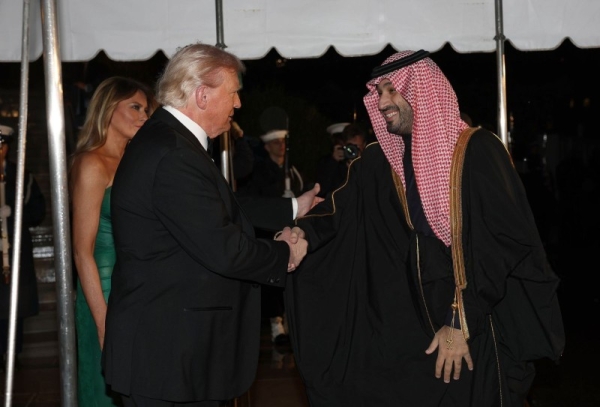

Washington D.C. – Saudi Crown Prince Mohammed bin Salman emphasized the enduring strength of the Saudi-US relationship during a recent state visit to Washington, including a dinner hosted by President Donald Trump and First Lady Melania Trump. The Crown Prince highlighted the historical foundations of the alliance and expressed optimism regarding expanded economic cooperation between the two nations. The visit underscores the continued importance of the strategic partnership despite ongoing geopolitical complexities.
The remarks came during a celebratory dinner at the White House, where the Crown Prince acknowledged the nearly nine-decade history of collaboration between Saudi Arabia and the United States. He specifically referenced the pivotal meeting between President Franklin D. Roosevelt and Saudi Arabia’s founder, King Abdulaziz, as the cornerstone of the enduring connection. This visit follows a period of reassessment within the Biden administration regarding its approach to the region.
Strengthening the Saudi-US Relationship Through Economic Ties
Crown Prince Mohammed bin Salman indicated a significant shift towards bolstering economic cooperation, characterizing the potential as “huge”. He pointed to recently signed agreements aimed at deepening ties in various sectors, stressing the need for focused implementation to unlock these opportunities. This emphasis on economic partnership reflects both nations’ goals for diversification and growth.
Historically, the Saudi-US relationship has been largely defined by oil and security concerns. According to the U.S. Energy Information Administration, Saudi Arabia remains a significant oil supplier to the United States, although its share has fluctuated in recent years. During World War II, Saudi Arabia played a critical role in ensuring stable oil supplies for the Allied forces.
A History of Strategic Alignment
Beyond oil, the two countries have a long record of collaboration on geopolitical issues. Throughout the Cold War, Saudi Arabia and the United States shared a common interest in containing Soviet influence in the Middle East. More recently, both nations have worked together to counter extremist organizations and maintain regional stability.
The Crown Prince acknowledged this past collaboration, highlighting the shared efforts in countering extremism. However, he directly stated the future focus will be on economic partnerships, which he believes will be “bigger and wider” than previous areas of cooperation. This signals a potential recalibration in the nature of the coalition.
The U.S. has long provided military assistance and training to Saudi Arabia, and the Kingdom remains a key partner in counterterrorism efforts. Recent years have seen increased scrutiny of U.S. arms sales to Saudi Arabia, particularly in light of the war in Yemen and concerns regarding human rights. These strained points in the relationship are seemingly being put aside in favor of economic progress.
The timing of this visit is notable, coinciding with the United States nearing its 250th anniversary and Saudi Arabia preparing to celebrate 300 years since its founding. The Crown Prince used these milestones to draw parallels between the two nations’ historical trajectories and commitment to long-term stability. This framing posits both countries as examples of enduring national projects.
Moreover, the visit comes as the United States seeks to navigate a complex geopolitical landscape, including rising tensions with China and Russia. Maintaining a strong partnership with Saudi Arabia, a key player in the Middle East, is seen by some analysts as crucial for advancing U.S. interests in the region and globally. Experts believe maintaining this foreign policy will be a consistent factor in the coming years.
The focus on economic opportunities also aligns with Saudi Arabia’s Vision 2030, a strategic framework aimed at diversifying the Kingdom’s economy and reducing its reliance on oil revenue. Investments in areas like renewable energy, technology, and tourism are central to this plan, and the Crown Prince likely sought to attract U.S. investment and expertise to support these initiatives. This diversification will be key to the future of the Saudi economy.
While the details of the new agreements remain largely undisclosed, initial reports suggest potential collaborations in areas such as infrastructure development, digital technology, and clean energy. The U.S. government has expressed support for Saudi Arabia’s economic reform efforts, but will likely continue to press for improvements in human rights and governance. The recent discussions regarding international trade will likely play a role in the future of the agreements.
Looking ahead, the success of this renewed focus on economic cooperation will depend on effective implementation of the agreements and continued dialogue between the two governments. The geopolitical situation in the Middle East remains volatile, and unforeseen events could impact the Saudi-US relationship. Observers will be closely watching for concrete progress on joint projects and any signs of renewed strain in other areas of the partnership.
The next steps will likely involve detailed negotiations between relevant agencies in both countries to finalize the terms of the agreements and establish timelines for implementation. The U.S. State Department and the Saudi Ministry of Investment are expected to play key roles in this process. Any significant developments will be closely monitored by energy markets and political analysts alike.