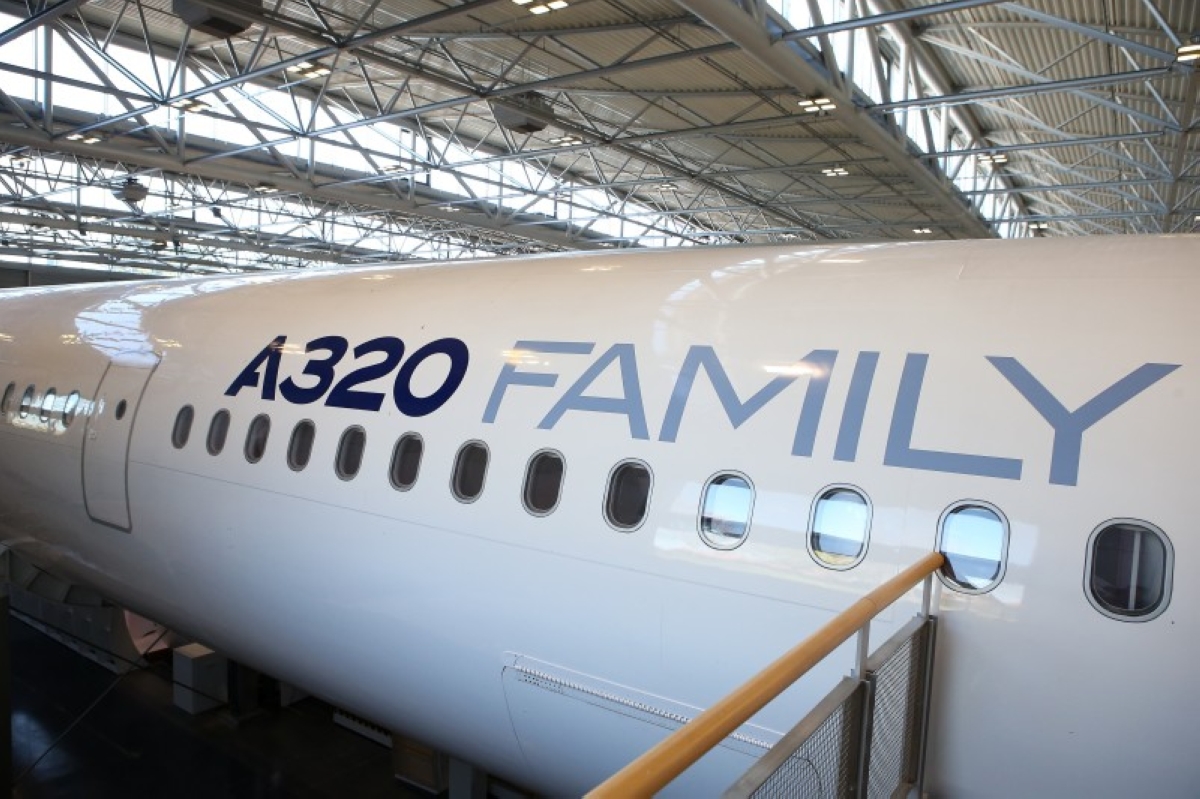

Riyadh, Saudi Arabia – Saudi Arabia’s aviation sector swiftly addressed potential disruptions following Airbus’s urgent recall of approximately 6,000 A320-family aircraft on Friday. The recall, triggered by a flight-control malfunction on a JetBlue flight, led to preemptive flight cancellations and delays for airlines globally, including Saudi carriers Saudia, Flynas, and Flyadeal. Saudi airlines have been working to implement necessary updates and minimize impact to passengers.
The incident prompting the recall occurred on October 30th when a JetBlue A320 en route from Mexico to New Jersey experienced a sudden loss of flight control, necessitating an emergency landing in Tampa, Florida, and resulting in passenger injuries. Airbus is preparing to issue an Emergency Airworthiness Directive outlining the required corrective actions for the affected aircraft.
Saudi Airlines Respond to Airbus A320 Recall
Both Flyadeal and Flynas, two of Saudi Arabia’s budget airlines, moved quickly to address the situation. Flyadeal announced Saturday that it had completed all mandatory software and technical updates across its fleet. The airline stated it proactively contacted affected passengers to facilitate rebooking and provide support, anticipating a return to normal operations by November 29, 2025.
Additionally, Flyadeal deployed extra flights on routes experiencing high demand to mitigate potential disruptions. The airline expressed gratitude to passengers for their understanding and acknowledged the dedication of its staff in restoring normal service.
Flynas reported completing updates on 20 of its 68 affected aircraft “in a record time.” The airline emphasized that its flight schedule remained unaffected throughout the update process, with no reported delays attributable to the recall. Flynas attributed its smooth response to the efficiency of its teams and their commitment to maintaining stringent safety and security protocols.
Understanding the Technical Issue
Aviation analysts suggest the JetBlue incident points to a potential issue with the aircraft’s autopilot system. According to former pilot and aviation analyst John Nance, the reported symptoms – a sudden lurch and flight-control abnormalities – indicate the autopilot may have reached its operational limits and disengaged.
However, the precise nature of the malfunction remains under investigation by Airbus and regulatory authorities. The Emergency Airworthiness Directive, when released, will provide detailed instructions for inspection and repair, clarifying the scope of the problem and the necessary corrective measures.
The A320 family of aircraft is one of the most widely used narrow-body airliners in the world, and this recall impacts numerous airlines globally. The potential for widespread disruption prompted swift action from aviation regulators, including the Federal Aviation Administration (FAA) in the United States and the General Authority of Civil Aviation (GACA) in Saudi Arabia.
Impact on Regional Air Travel
While Saudia, the national carrier of Saudi Arabia, also operates A320-family aircraft, the airline has not publicly detailed the extent of its impact or the completion of updates. However, the rapid response from Flynas and Flyadeal suggests a coordinated effort within the Saudi aviation industry to address the issue proactively.
The quick implementation of updates by Flynas and Flyadeal demonstrates the importance of robust maintenance procedures and efficient communication with passengers during such events. The airlines’ ability to maintain operational performance, or quickly restore it, is crucial for minimizing inconvenience and maintaining passenger confidence. This situation highlights the critical role of airline safety protocols.
In contrast to some global carriers experiencing significant delays, Saudi airlines appear to have largely contained the immediate disruption. Both Flynas and Flyadeal have confirmed the resumption of regular operations and anticipate a full normalization of services in the coming days. The swift action taken by these airlines has helped to mitigate the impact on travelers and maintain the flow of air traffic.
The incident also underscores the increasing reliance on sophisticated flight control systems and the potential consequences of malfunctions. Regular software updates and thorough maintenance checks are essential for ensuring the continued airworthiness of these aircraft. The focus on aircraft maintenance will likely increase following this event.
As global regulators finalize their guidance and Airbus provides further details, the situation remains fluid. The deadline for full compliance with the Emergency Airworthiness Directive is expected to be communicated shortly, and airlines will continue to monitor the situation closely. The industry will be watching for any further reports of similar incidents and the long-term implications of this widespread recall.