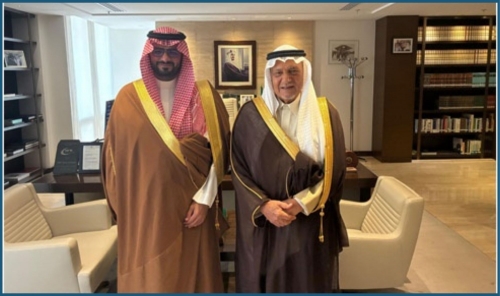

Prince Turki Al-Faisal and Bahrain’s Derasat Explore Enhanced Research Collaboration, bolstering regional strategic foresight. This recent meeting between His Royal Highness Prince Turki Al-Faisal bin Abdulaziz Al Saud and Abdullah Mohammed Al-Ahmad, CEO of the Bahrain Center for Strategic, International, and Energy Studies (Derasat), signals a deepening commitment to collaborative research and policy development within the Gulf Cooperation Council (GCC). The discussions centered on strengthening the role of think tanks in navigating complex global challenges and supporting informed decision-making.
Strengthening Regional Think Tank Collaboration
The visit by Mr. Al-Ahmad to the Kingdom of Saudi Arabia underscores the importance both nations place on proactive analysis of regional and international trends. Prince Turki Al-Faisal, a pivotal figure in Saudi intellectual and philanthropic circles as the founder and member of the Board of Trustees of the King Faisal Foundation and Chairman of the King Faisal Center for Research and Islamic Studies, hosted the meeting. This demonstrates a high-level endorsement of the potential benefits arising from closer ties between leading research institutions.
The core focus of the discussions was identifying areas where the King Faisal Center and Derasat could jointly conduct research. This isn’t simply about academic exercise; it’s about building a stronger foundation for effective public policy. By pooling resources and expertise, these organizations aim to anticipate future developments and offer actionable insights to policymakers.
The Role of Foresight in a Changing World
In a world characterized by rapid change and increasing interconnectedness, the ability to anticipate future challenges is paramount. Think tanks like the King Faisal Center and Derasat play a crucial role in this regard, providing independent analysis and strategic recommendations. This collaborative effort aims to enhance that foresight, particularly concerning issues impacting the GCC region.
Aligning with the Al-Sakhir Declaration
A significant element of the conversation revolved around aligning research efforts with the directives outlined in the Al-Sakhir Declaration. Issued during the 46th Summit of the GCC Supreme Council held in Bahrain, the declaration emphasizes the need for greater integration and coordinated action among member states.
This meeting between Prince Turki Al-Faisal and Mr. Al-Ahmad represents a concrete step towards realizing those goals. By coordinating research agendas and sharing findings, the two centers can contribute to a more unified and effective response to regional and global challenges. The focus on strategic research is key to achieving this alignment.
Promoting Scientific Efforts and Integration
Beyond simply coordinating positions, the discussions also highlighted the importance of actively promoting scientific efforts and knowledge integration. This includes exploring opportunities for joint workshops, conferences, and publications. It also involves fostering a greater exchange of researchers and experts between the two institutions.
This emphasis on scientific rigor and collaborative learning is vital for ensuring that the research produced is both credible and relevant. It also helps to build a stronger community of scholars and policymakers dedicated to addressing the region’s most pressing issues.
Derasat’s Expanding Partnerships and Focus on Saudi Arabia
Derasat’s visit isn’t an isolated event. It reflects a broader strategy of expanding research partnerships with key intellectual institutions throughout Saudi Arabia. The Bahraini think tank recognizes the Kingdom’s growing role as a regional leader and the importance of engaging with Saudi scholars and policymakers.
This proactive approach to collaboration is essential for fostering a deeper understanding of the challenges and opportunities facing the GCC. It also allows Derasat to contribute its unique perspective and expertise to the ongoing dialogue about the region’s future. The strengthening of international relations through such initiatives is a clear benefit.
The Importance of Institutional Frameworks
Both Prince Turki Al-Faisal and Mr. Al-Ahmad acknowledged the need for robust institutional frameworks to support this collaboration. This includes establishing clear lines of communication, developing joint research protocols, and securing long-term funding for collaborative projects.
Creating these frameworks will ensure that the partnership is sustainable and capable of delivering meaningful results over time. It will also help to avoid duplication of effort and maximize the impact of the research conducted. This collaborative spirit extends to regional security concerns, a topic likely discussed during the meeting.
In conclusion, the meeting between Prince Turki Al-Faisal and Abdullah Mohammed Al-Ahmad represents a significant step forward in strengthening research collaboration between Saudi Arabia and Bahrain. By focusing on areas of mutual interest, aligning with the Al-Sakhir Declaration, and building robust institutional frameworks, these two leading think tanks are poised to make a valuable contribution to regional stability and prosperity. This commitment to enhanced strategic foresight will undoubtedly benefit the entire GCC region as it navigates an increasingly complex and uncertain world. We can expect to see further developments from this partnership in the coming months, potentially leading to joint publications and policy recommendations.