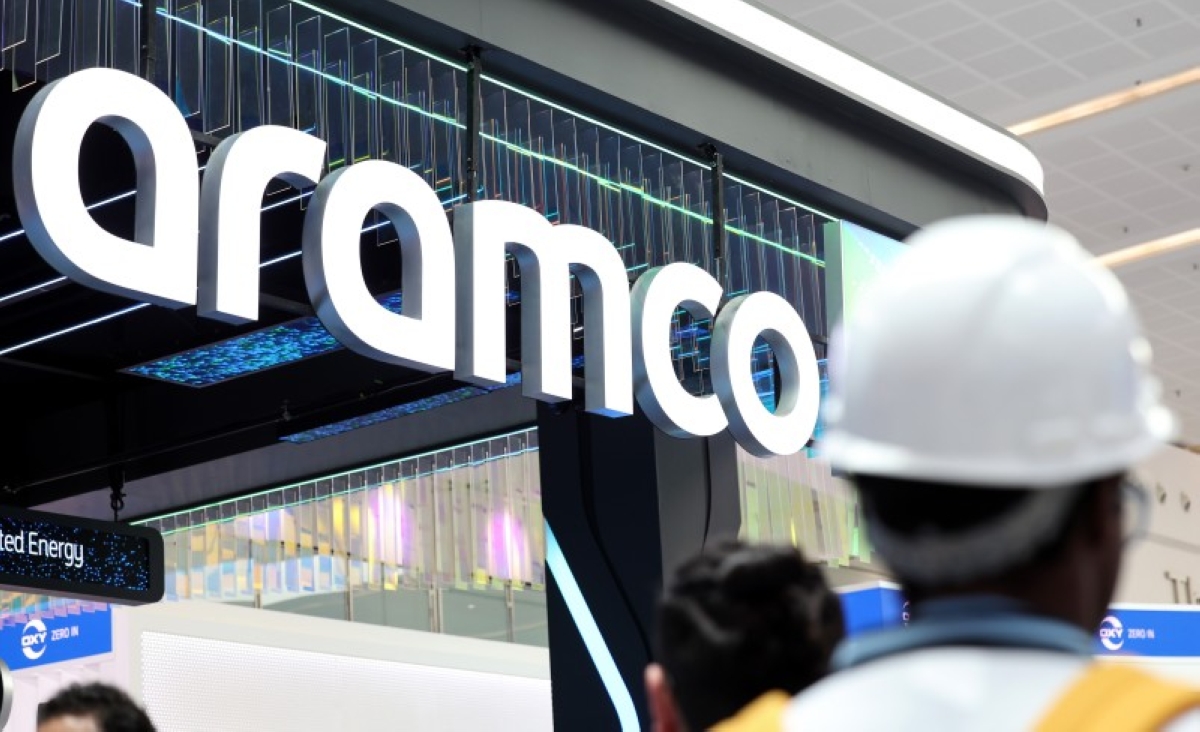

Saudi Aramco has announced the forthcoming release of Gasoline 98 in the Saudi Arabian domestic market, slated for early 2026. This new fuel grade aims to cater to the increasing demand for high-performance fuels, specifically for vehicles with advanced engine technologies. The introduction of Gasoline 98 is part of a larger strategy by the Ministry of Energy to adapt to evolving market needs and enhance fuel options for consumers.
The initial rollout will be limited to major urban centers including Riyadh, Jeddah, and the Dammam metropolitan area, along with key roadways connecting them. This phased approach allows Aramco to assess demand and consumption patterns before potential nationwide expansion. The retail price will be published on Aramco’s official website, subject to ongoing review based on established pricing governance.
Understanding the Need for Gasoline 98
The decision to introduce Gasoline 98 reflects a growing trend in the automotive industry towards more sophisticated engines. These engines, frequently found in sports cars and luxury vehicles, often require higher octane fuel to achieve optimal performance and efficiency. Currently, the most commonly available gasoline grades in Saudi Arabia are 91 and 95 octane.
According to Aramco, Gasoline 98 is formulated to meet the specific demands of these higher-performance engines. Higher octane ratings prevent engine knocking, allowing for greater compression and ultimately, more power. This also contributes to better fuel economy in vehicles designed to take advantage of it.
Supporting Automotive Advancements
The move is anticipated to provide a boost to both the automotive and energy sectors within Saudi Arabia. By providing a fuel specifically engineered for advanced vehicle technologies, Aramco aims to encourage the adoption of more efficient and powerful vehicles. However, the impact will be initially limited to the areas with the highest concentration of these vehicles.
The availability of premium fuel options can also support the Kingdom’s wider economic diversification goals, potentially attracting investment in automotive technology and related industries. This aligns with the Saudi Vision 2030, which prioritizes economic growth and diversification.
Pricing Structure and Government Oversight
Aramco has confirmed that the pricing of Gasoline 98 will be transparent and publicly accessible through its official website. The company will utilize a pre-approved governance framework for determining the retail price of energy and water products, ensuring alignment with broader economic policies.
This framework typically considers factors such as international oil prices and domestic market conditions. The periodic review process suggests that the price of Gasoline 98 will be subject to fluctuation mirroring changes to these underlying variables. Consumers should regularly check Aramco’s website for the latest pricing information.
Regional Rollout and Expansion Plans
The rollout of Gasoline 98 will initially concentrate on areas with demonstrated demand for higher-octane fuels. These include Riyadh, Jeddah, and the Dammam metropolitan area, which are known to have higher concentrations of high-performance vehicles. Key connecting roadways within these regions will also be prioritized.
Aramco has indicated that expansion beyond these initial areas will be contingent upon market analysis and consumer behavior. The company will monitor sales data and consumption patterns to determine whether to introduce Gasoline 98 to other cities and regions in the Kingdom. This data-driven approach aims to avoid oversupply in areas with limited demand.
Furthermore, the availability of Gasoline 98 may encourage the import of compatible vehicles and subsequently influence demand in areas not initially covered by the rollout. It is important to note that there are currently no specific plans or timelines for wider distribution beyond the initial phase.
Industry Response and Fuel Market Dynamics
Analysts expect the introduction of Gasoline 98 to have a moderate impact on the overall fuel market in Saudi Arabia. While demand for premium fuels is growing globally, it remains a relatively niche segment compared to the broader market for regular gasoline. Several factors could influence uptake, including prevailing fuel prices and the number of suitable vehicles on the road.
The move by Aramco also demonstrates a broader trend among national oil companies to diversify their product offerings and cater to evolving consumer preferences. Previously, the focus was largely on maximizing production of standard fuel grades. Now, specialized fuel products are becoming increasingly important.
Additionally, this launch comes amid increased focus on fuel efficiency and reducing emissions. While higher-octane fuels don’t inherently reduce emissions, they allow modern engines to operate more efficiently, potentially contributing to lower overall emissions levels, especially when paired with advanced engine management systems.
Looking ahead, Aramco will likely monitor the impact of Gasoline 98 on sales of existing fuel grades. A key consideration will be whether the new product cannibalizes sales of Gasoline 95 or primarily attracts new demand from drivers of high-performance vehicles. The company will also be tracking any shifts in consumer habits and preferences related to petrol consumption. The success of the initial rollout and subsequent expansion will ultimately determine the long-term viability of Gasoline 98 in the Saudi market.