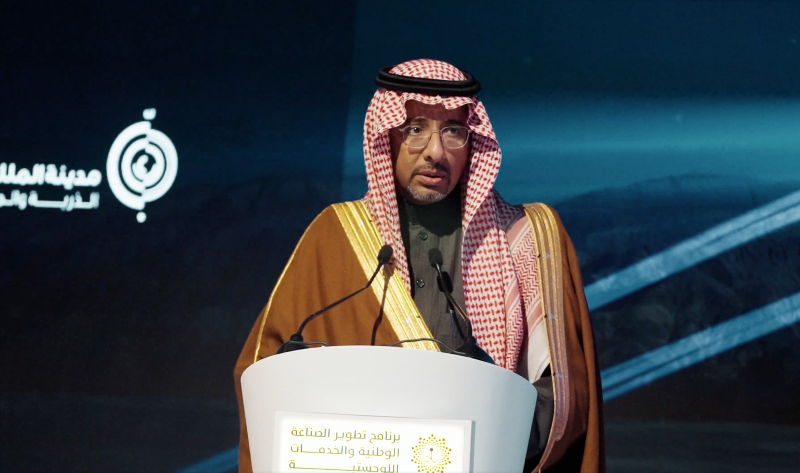

Saudi Arabia’s industrial sector is experiencing significant growth, with the National Industrial Development and Logistics Program (NIDLP) reporting a 5% increase in real gross domestic product, reaching SR790 billion. This expansion reflects the Kingdom’s ongoing efforts to diversify its economy and reduce reliance on oil revenue, a core tenet of Vision 2030. Minister of Industry and Mineral Resources Bandar Al-Khorayef announced the figures at the program’s annual ceremony in Riyadh on Saturday.
The positive results, covering the energy, mining, industry, and logistics services sectors, demonstrate increased integration and value creation within the Saudi economy. According to the ministry, non-oil merchandise exports surged to over SR265 billion, an 18% increase, indicating a growing capacity for domestic production and international competitiveness. This growth is a key indicator of the success of the NIDLP.
Saudi Arabia’s Industrial Growth and the NIDLP
Launched in 2019 under the direction of Crown Prince Mohammed bin Salman, the NIDLP is a central component of Saudi Arabia’s Vision 2030 plan. The program aims to transform the Kingdom into a leading industrial power and a global logistics hub. The recent data suggests substantial progress toward these goals. The NIDLP focuses on attracting investment, fostering innovation, and developing a skilled workforce.
Expanding Non-Oil Contributions
Non-oil activities now contribute 56% of Saudi Arabia’s total GDP, with NIDLP sectors accounting for 39% of the overall non-oil GDP growth. This demonstrates the increasing importance of these sectors to the national economy. The ministry highlighted the shift as a positive sign of economic diversification and resilience.
Additionally, non-governmental investments within the program have reached SR719 billion, signaling strong private sector confidence in the Kingdom’s industrial future. The number of licensed industrial facilities has also surpassed 12,500, indicating sustained expansion across a broad range of industries. This growth in facilities suggests increased manufacturing capacity and job creation.
Boosting Domestic Manufacturing and Exports
A notable achievement highlighted by Al-Khorayef was the increase in the localization rate of military spending to 24.89%. This reflects a concerted effort to develop domestic manufacturing capabilities in strategic industries and reduce reliance on foreign suppliers. The move aligns with the Kingdom’s broader strategy of achieving self-sufficiency in key sectors.
Meanwhile, the Saudi Export-Import Bank (Saudi EXIM Bank) has provided SR100 billion in credit facilities to support industrial projects and facilitate export growth. This financial support is crucial for enabling Saudi companies to compete in international markets and expand their reach. The availability of credit is a key factor in driving export-led growth.
The growth in industrial development is not limited to specific sectors. The NIDLP supports a diverse range of industries, including petrochemicals, automotive, pharmaceuticals, and renewable energy. This diversification is intended to create a more robust and resilient economy, less vulnerable to fluctuations in global commodity prices. The program also emphasizes the importance of economic diversification.
Challenges and Future Outlook
However, challenges remain. Developing a skilled workforce capable of supporting advanced manufacturing and logistics operations is an ongoing priority. The Kingdom is investing heavily in education and training programs to address this need. Furthermore, streamlining regulations and improving the business environment are crucial for attracting further investment.
In contrast to previous economic models heavily reliant on oil, the current trajectory points towards a more sustainable and diversified economic future for Saudi Arabia. The success of the NIDLP is a key indicator of this shift. The program’s focus on logistics services and value-added manufacturing is expected to continue driving economic growth in the coming years.
Looking ahead, the Ministry of Industry and Mineral Resources is expected to release further details on specific sector performance within the NIDLP framework in the coming months. The next major milestone will be the assessment of progress against the Vision 2030 targets in 2025. Monitoring the continued growth of non-oil exports, the localization of key industries, and the attraction of foreign investment will be crucial indicators of the program’s long-term success. The global economic climate and geopolitical factors will also play a significant role in shaping the future of Saudi Arabia’s industrial sector.