
Saudi Arabia’s healthcare sector is gaining international recognition, recently securing 18 awards at the 48th World Hospital Congress (WHC) in Geneva. The awards, presented between November 10 and 13, acknowledge excellence in hospital development and scientific research, signaling the Kingdom’s commitment to modernizing its medical infrastructure and fostering innovation. This achievement underscores Saudi Arabia’s Vision 2030 goals for a robust and globally competitive healthcare system.
The awards were distributed across multiple categories, with a significant focus on projects within the First Riyadh Health Cluster and the Eastern Health Cluster. The WHC, organized by the International Hospital Federation, is a leading global forum for hospital leaders and healthcare professionals. These accolades highlight Saudi Arabia’s progress in areas ranging from operational efficiency to worker well-being and sustainability.
Saudi Arabia’s Advancements in Hospital Development Recognized
Thirteen of the awards specifically honored innovative hospital development projects. King Khalid Hospital in Al-Kharj, part of the First Riyadh Health Cluster, received the prestigious Dr. Kwang Tae Kim Grand Award, the highest distinction at the congress. This award likely reflects comprehensive improvements in patient care, facility design, or overall hospital management, though specific details of the winning project were not immediately available.
Key Hospital Awards
Al-Kharj Maternity and Children’s Hospital, also within the First Riyadh Health Cluster, was recognized with a Silver Award from the American Hospital Association for its initiatives focused on supporting the well-being of healthcare workers. This is particularly noteworthy given the global challenges facing healthcare staff in recent years, including burnout and workforce shortages.
King Salman Hospital in Riyadh earned a Silver Award at the Mastercard Awards for Operational Excellence in Hospitals, suggesting improvements in areas like resource allocation, process optimization, and financial performance. The Jubail Health Network, operating under the Eastern Health Cluster, received a Bronze Award at the Holding Company Awards for Excellence in Social and Environmental Responsibility, indicating a commitment to sustainable practices and community engagement.
These awards demonstrate a broad-based effort to improve healthcare facilities across different regions of Saudi Arabia. The Ministry of Health has been actively investing in infrastructure upgrades and the adoption of new technologies as part of its broader transformation plan.
Scientific Research Contributions Highlighted
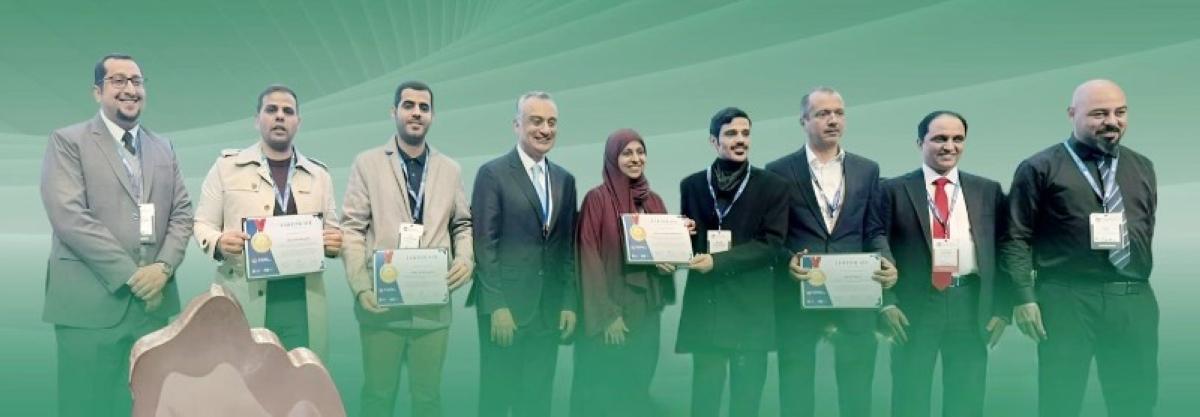
In addition to the hospital development awards, Saudi researchers were also honored for their contributions to medical science, securing five awards across various research tracks. This recognition points to a growing emphasis on research and development within the Kingdom’s healthcare system.
Dr. Muaddi Al-Harbi, a Scientific Research Advisor to the Assistant Minister for Health Services, received an award in the Digital Health and Artificial Intelligence track. This suggests Saudi Arabia is making strides in leveraging technology to improve healthcare delivery and patient outcomes. The integration of digital tools and AI is a key trend in healthcare globally.
Further awards in scientific research were given to Dr. Hatem Abdullah and Musallam Sadaran, both recognized in the Clinical Models track, and Dr. Hadi Al-Sulaym, who earned an award in the Sustainability track. The specific nature of their research was not detailed in the initial reports, but these categories indicate a focus on practical applications of medical knowledge and environmentally responsible healthcare practices.
The increasing number of Saudi researchers gaining international acclaim is a positive sign for the future of medical innovation in the country. The government has implemented several programs to encourage scientific research and provide funding for promising projects.
The awards come as Saudi Arabia continues to invest heavily in its healthcare infrastructure to meet the needs of a growing population and to attract medical tourism. The Kingdom is also working to improve access to healthcare services in remote areas and to enhance the quality of care provided to all citizens and residents. The focus on preventative care and public health initiatives is also gaining momentum.
The Ministry of Health has not yet released a comprehensive report detailing all 18 winning projects and research initiatives. However, the initial announcement suggests a significant impact across multiple areas of healthcare. The success at the WHC is expected to further motivate investment and innovation within the Saudi healthcare sector.
Looking ahead, the Ministry of Health is expected to announce further details regarding the winning projects and their potential for wider implementation. The long-term impact of these awards will depend on the Kingdom’s ability to sustain its momentum in healthcare innovation and to translate these achievements into tangible improvements in patient care. Monitoring the progress of Vision 2030’s healthcare goals will be crucial in assessing the overall success of these initiatives.
The continued development of specialized medical centers and the expansion of health insurance coverage are also key areas to watch as Saudi Arabia strives to become a regional leader in healthcare. The integration of telehealth and remote monitoring technologies will likely play an increasingly important role in delivering accessible and affordable care.