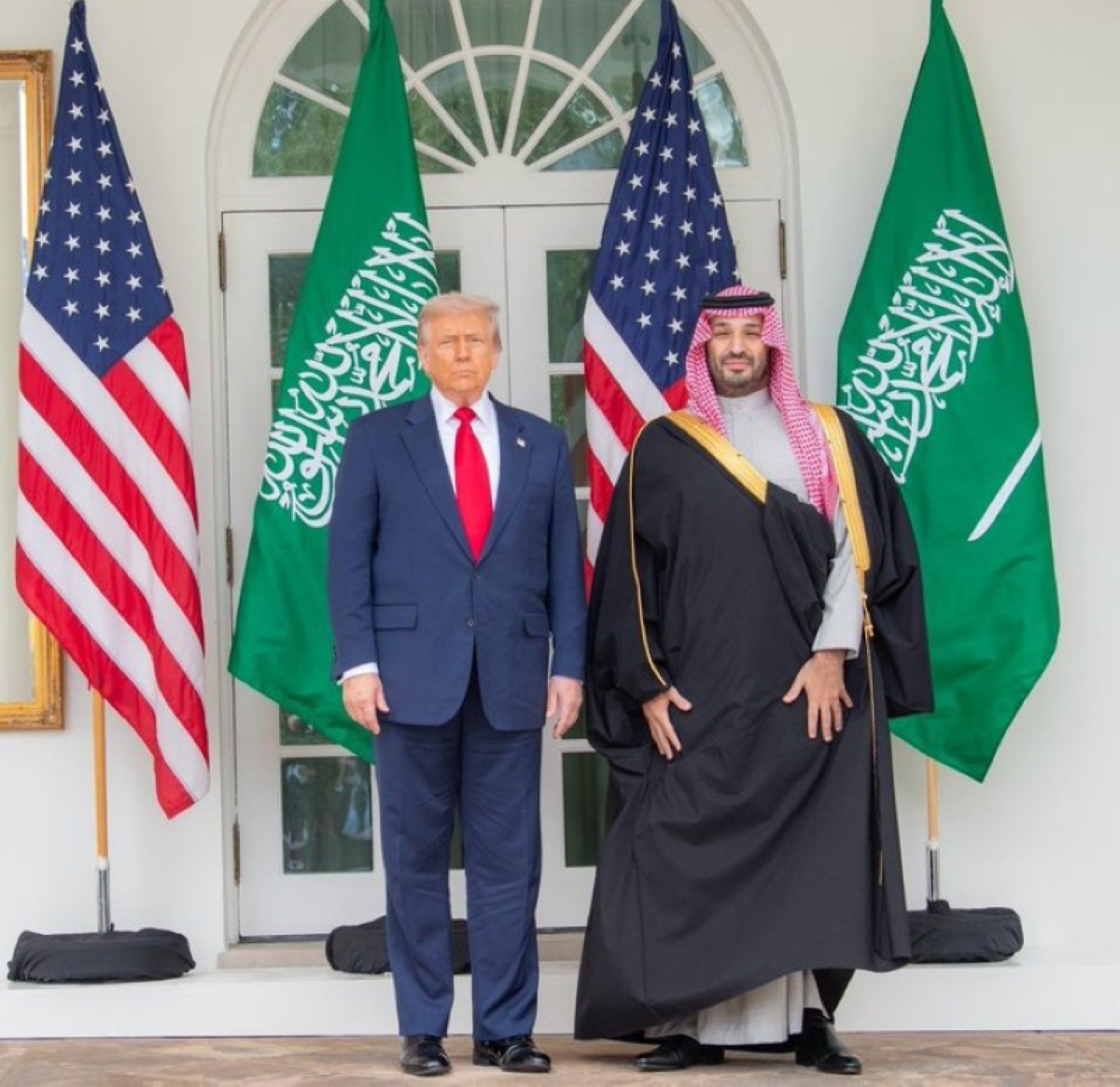

Washington D.C. – Saudi Crown Prince Mohammed bin Salman concluded a two-day official visit to Washington on November 19, 2025, reaffirming the strong Saudi-US relationship and outlining plans for expanded cooperation. The visit, which followed President Donald Trump’s state visit to Saudi Arabia in May 2025, focused on bolstering strategic partnerships in defense, technology, and investment. Discussions centered on regional stability, economic diversification, and shared security interests between the two nations.
The Crown Prince met with President Trump at the White House, exchanging greetings with King Salman and the First Lady. The leaders held a Saudi-US Summit, reviewing critical developments and charting a course for increased collaboration across multiple sectors. This meeting underscores the continued importance of the alliance despite evolving geopolitical dynamics.
Strengthening the Strategic Partnership: Key Agreements
A significant outcome of the visit was the signing of numerous agreements and frameworks designed to deepen the Saudi-US relationship. These included a landmark Strategic Defense Agreement, intended to enhance security cooperation and address regional threats. Additionally, a new AI Strategic Partnership was established, signaling a commitment to collaborate on the development and deployment of artificial intelligence technologies.
Defense and Security Cooperation
Details of the Strategic Defense Agreement remain largely confidential, but officials on both sides indicated it involves increased arms sales, joint military exercises, and intelligence sharing. The agreement is expected to provide Saudi Arabia with greater security assurances and contribute to regional stability, according to a statement released by the White House. This builds on decades of defense collaboration between the two countries.
Economic and Technological Investments
The visit also saw progress on civil nuclear cooperation, with both countries agreeing to complete negotiations on a framework for collaboration. A strategic framework was also unveiled to secure supply chains for crucial resources like uranium, permanent magnets, and critical minerals. These initiatives aim to reduce reliance on potentially unstable sources and foster economic resilience.
Furthermore, arrangements were made to facilitate and accelerate Saudi investments in the United States, and to enhance collaboration in capital markets. The US and Saudi Arabia also agreed to mutual recognition of US federal vehicle safety standards, streamlining trade and regulatory processes. A memorandum of understanding in education and training was also signed, promoting academic exchange and workforce development.
The US-Saudi Investment Forum, held in conjunction with the official visit, announced agreements and memoranda of understanding totaling approximately $270 billion. These investments span a wide range of sectors, including infrastructure, energy, and technology, and are expected to create jobs and stimulate economic growth in both countries. The Public Investment Fund (PIF) of Saudi Arabia is a key driver of these investments.
Beyond the White House, the Crown Prince engaged with members of the US Congress, meeting with House Speaker Mike Johnson and numerous Senators and Representatives. These meetings provided an opportunity to discuss bilateral issues and address concerns raised by lawmakers. The discussions reportedly covered topics such as human rights and regional conflicts.
The Saudi delegation included prominent ministers and officials, such as Energy Minister Prince Abdulaziz bin Salman, Ambassador to the United States Princess Reema bint Bandar, Foreign Minister Prince Faisal bin Farhan, and Finance Minister Mohammed Aljadaan. The US side was represented by Vice President J.D. Vance, Secretary of State Marco Rubio, and other key cabinet members.
The visit is part of a broader effort to rebalance the US foreign policy in the Middle East, reflecting the growing importance of Saudi Arabia as a regional power and a key partner in addressing global challenges. The evolving geopolitical landscape, including the ongoing conflict in Ukraine and rising tensions with Iran, has underscored the need for closer cooperation between Washington and Riyadh. The energy sector remains a crucial component of the Saudi-US relationship, with Saudi Arabia being a major oil producer and the US seeking to ensure stable energy supplies.
Looking ahead, the implementation of the agreements signed during the visit will be closely monitored. The completion of negotiations on civil nuclear cooperation is a key priority, and the success of the supply chain initiatives will depend on effective coordination between the two governments. Continued dialogue and engagement will be essential to address any challenges that may arise and to ensure that the Saudi-US relationship remains strong and productive. The timeline for full implementation of the $270 billion in investment deals is expected to unfold over the next several years, with initial projects potentially breaking ground in late 2026, though this is subject to market conditions and regulatory approvals.
The future of the Saudi-US relationship will also be influenced by domestic political factors in both countries. Changes in leadership or shifts in public opinion could impact the level of cooperation and the priorities of the alliance. Furthermore, the broader regional context, including developments in Yemen, Syria, and Iran, will continue to shape the dynamics between Washington and Riyadh. The ongoing efforts to de-escalate tensions in the Middle East and promote a more stable and secure regional order will be a key focus for both countries.
Secondary keywords included: economic diversification, regional stability, investment forum.