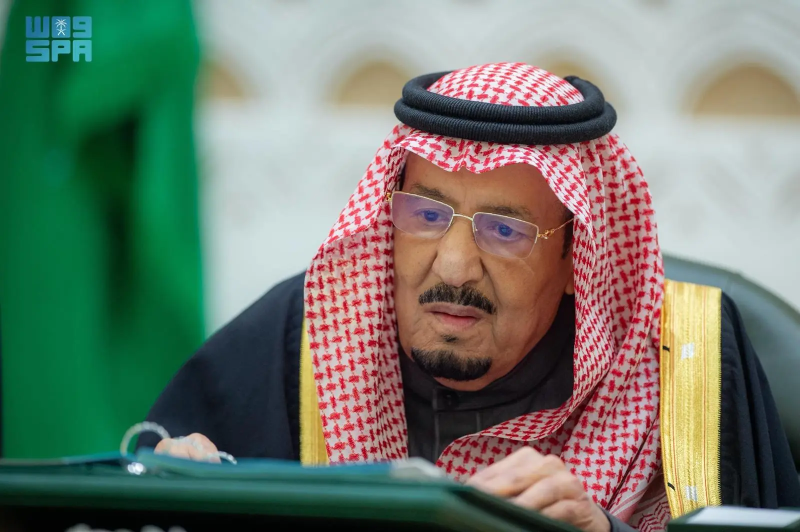

The Saudi Arabian Cabinet, chaired by King Salman in Riyadh on Tuesday, reaffirmed the Kingdom’s commitment to regional stability and humanitarian aid. Discussions centered on efforts to achieve a lasting resolution to the Yemen crisis, alongside ongoing support for peace initiatives in Gaza and Syria. The Council also highlighted the Kingdom’s expanding economic partnerships and approved several key agreements aimed at bolstering various sectors.
Minister of Media Salman Al-Dossary stated following the session that the Cabinet reviewed progress toward resolving the conflict in Yemen, emphasizing the importance of a comprehensive vision for just and sustainable solutions through the Riyadh conference. The meeting also addressed the urgent need for a stable ceasefire and unimpeded humanitarian access in Gaza, and the integration of Syrian Democratic Forces into the Syrian state.
Saudi Arabia’s Role in Regional Stability and the Yemen Crisis
Saudi Arabia has long been a key player in mediating regional conflicts, particularly the ongoing situation in Yemen. The Cabinet’s focus on the Yemen crisis underscores the Kingdom’s dedication to alleviating the humanitarian suffering and fostering a political settlement. According to the Saudi Press Agency, the recent launch of development projects and programs across Yemen demonstrates continued support for the Yemeni people and aims to improve their living conditions.
Economic Support and Development
The Kingdom’s commitment extends beyond political mediation to include substantial economic assistance. These projects are intended to enhance security and stability within Yemen, addressing immediate needs and laying the groundwork for long-term recovery. The scale of this support positions Saudi Arabia as the largest contributor to Yemen’s aid efforts in 2025, according to the United Nations Financial Tracking Service.
Expanding Economic Partnerships
Beyond Yemen, the Cabinet highlighted the success of the fifth Future Minerals Forum held in Riyadh. The forum attracted participation from 91 countries and resulted in over SR100 billion in agreements and memoranda of understanding. These deals span crucial areas including mineral exploration, mining operations, financial investments, and advancements in research and development.
This surge in investment reflects the Kingdom’s broader strategy to diversify its economy away from oil. The minister stated that non-oil activities have consistently grown at rates of 5 to 10 percent annually over the past five years, contributing significantly to overall economic expansion and promoting sustainability. This diversification is a core component of Saudi Vision 2030.
Additionally, the Cabinet approved the National Insurance Sector Strategy, signaling a commitment to modernizing and strengthening the financial security framework within the Kingdom. This strategy is expected to attract further investment and enhance consumer protection.
New International Agreements
The Council approved several Memoranda of Understanding (MoUs) designed to foster international cooperation. These include agreements with Pakistan on electrical interconnection, with Iraq on combating drug trafficking, and with Singapore on social development. These partnerships demonstrate Saudi Arabia’s proactive approach to addressing shared challenges and building stronger global ties.
Further agreements were reached with the United States, Oman, and other nations, covering areas such as geological surveys, civil aviation, water management, and financial intelligence. These collaborations aim to leverage expertise and resources to achieve mutual benefits and promote best practices.
Support for Individuals with Autism Spectrum Disorder
In a move demonstrating its commitment to social welfare, the Cabinet endorsed the establishment of a permanent ministerial committee dedicated to coordinating services for individuals with autism spectrum disorder. This committee will focus on identifying and addressing the challenges faced by patients and their families, and developing tailored solutions to improve their quality of life. This initiative aligns with the Kingdom’s broader efforts to enhance inclusivity and support vulnerable populations.
The Kingdom’s dedication to humanitarian aid and regional stability remains a central tenet of its foreign policy. Looking ahead, continued monitoring of the Riyadh conference’s progress on the Yemen crisis will be crucial. The implementation of the newly signed MoUs and the effectiveness of the National Insurance Sector Strategy will also be key indicators of the Kingdom’s economic and social development in the coming months. The evolving situation in Gaza and Syria will undoubtedly remain a priority, requiring ongoing diplomatic engagement and humanitarian assistance.