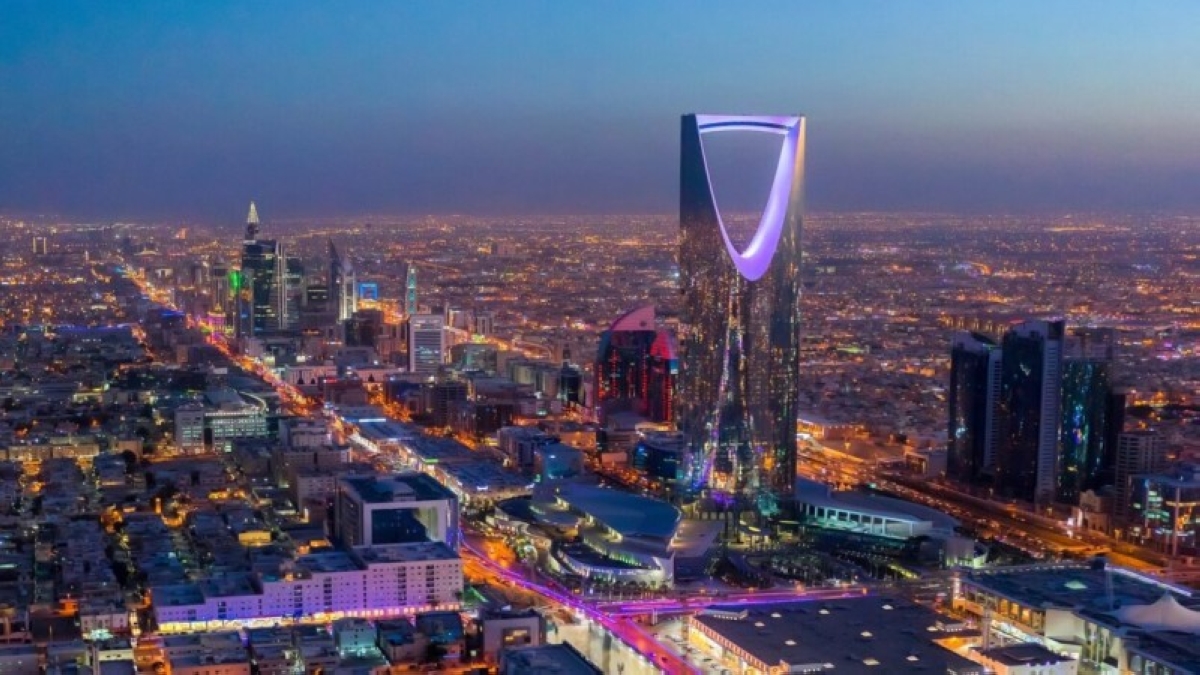

RIYADH — Saudi Arabia is set to announce its budget for the fiscal year 2026 on Tuesday, offering a crucial insight into the Kingdom’s economic direction as it continues to pursue its Vision 2030 diversification goals. The Council of Ministers will convene a special session to review and approve the state’s financial plan, according to the Saudi Press Agency. This announcement comes after a preliminary statement released in September outlined projected spending and revenue figures.
The upcoming budget details will be closely watched by investors and analysts globally, as Saudi Arabia navigates a period of ambitious economic transformation and fluctuating oil prices. The Ministry of Finance’s initial estimates suggest a continued expansionary fiscal policy, prioritizing projects aligned with the Kingdom’s long-term strategic objectives. The announcement is expected to occur Tuesday, November 26th, in Riyadh.
Saudi Arabia’s Fiscal Outlook for 2026 and Beyond
Preliminary figures released by the Ministry of Finance indicate anticipated total expenditures of approximately SR1,313 billion (roughly $350 billion USD) for 2026. These expenditures are expected to be funded by revenues of around SR1,147 billion (approximately $306 billion USD), resulting in a projected deficit equivalent to 3.3 percent of the Kingdom’s Gross Domestic Product (GDP). This deficit reflects the ongoing commitment to substantial investment in diversification initiatives.
Projected Economic Growth and Revenue Streams
The Ministry of Finance forecasts real GDP growth of around 4.6 percent in 2026, largely driven by the expansion of non-oil sectors. This growth is a key indicator of the success of Vision 2030, which aims to reduce the Kingdom’s reliance on hydrocarbon revenues. The report indicates a shift towards a more diversified economic base.
Looking ahead, the ministry projects revenue to increase to approximately SR1,294 billion in 2028, while expenditures are expected to rise to SR1,419 billion over the same period. This suggests a continued, albeit moderate, deficit in the medium term. The government anticipates increased non-oil revenue contributing to this growth, including contributions from tourism and private sector investment.
Expansionary Spending and Vision 2030 Alignment
The Saudi government has consistently adopted an expansionary spending approach in recent years, and the Ministry of Finance has confirmed this will continue into 2026. This strategy is designed to accelerate the implementation of Vision 2030, a comprehensive plan to modernize the Saudi economy and society. The focus remains on projects with significant social and economic impact.
Specifically, investments are expected to concentrate on areas such as infrastructure development, education, healthcare, and the development of new industries like tourism and technology. These sectors are considered crucial for creating jobs, attracting foreign investment, and reducing the Kingdom’s dependence on oil. The budget is expected to reflect these priorities.
However, the Kingdom’s economic performance remains sensitive to global oil market fluctuations. While the diversification efforts are gaining momentum, oil revenues still constitute a significant portion of the government’s income. Therefore, changes in oil prices could significantly impact the budget’s final outcome. The Ministry of Finance is likely monitoring these developments closely.
Additionally, geopolitical factors and global economic conditions could also influence Saudi Arabia’s fiscal position. The ongoing conflicts in the region and potential slowdowns in global growth present risks to the Kingdom’s economic outlook. These external pressures are factored into the ministry’s projections.
Implications for Investors and the Regional Economy
The announcement of the 2026 budget will provide valuable insights for investors assessing the attractiveness of the Saudi market. The continued commitment to infrastructure spending and economic diversification is expected to create opportunities for both domestic and foreign companies. The Kingdom is actively seeking foreign direct investment to support its Vision 2030 goals.
Furthermore, the Saudi budget has broader implications for the regional economy. As the largest economy in the Middle East, Saudi Arabia’s fiscal policies can influence economic activity in neighboring countries. Increased investment and economic growth in Saudi Arabia could stimulate demand for goods and services from other regional economies. The Kingdom’s economic stability is vital for the wider region.
The Ministry of Finance’s preliminary statement also highlighted the importance of fiscal sustainability. While the government is willing to accept a moderate deficit in the short term to support economic growth, it remains committed to maintaining long-term fiscal stability. This commitment is crucial for maintaining investor confidence and ensuring the sustainability of Vision 2030.
Following Tuesday’s announcement, analysts will scrutinize the detailed budget document for specific allocations to different sectors and programs. The level of investment in key areas like renewable energy and digital infrastructure will be particularly closely watched. The detailed breakdown will provide a more granular understanding of the government’s priorities.
The next step will be the detailed release of the budget document, expected shortly after the Council of Ministers’ approval. Market reaction and subsequent analysis will provide further clarity on the Kingdom’s economic trajectory. Ongoing monitoring of oil prices and global economic conditions will remain critical in assessing the accuracy of the projections and the overall success of Saudi Arabia’s economic transformation.