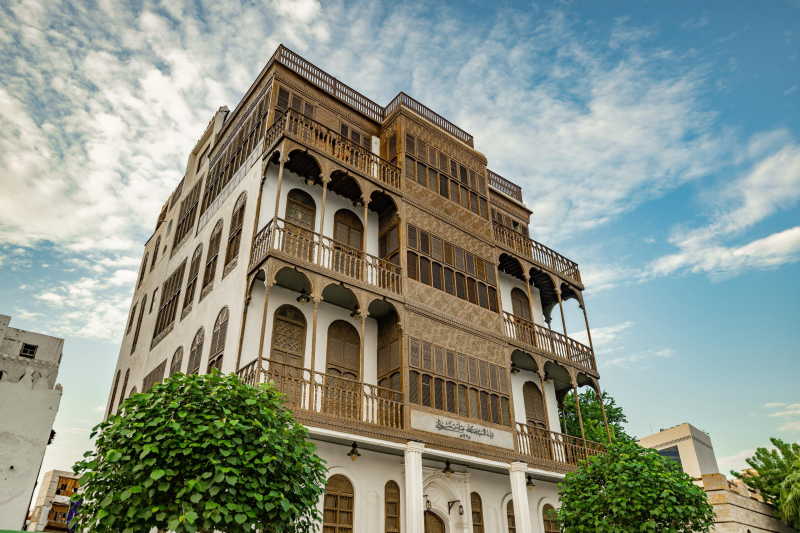

Saudi Arabia is preparing to unveil the Red Sea Museum in Jeddah on December 6, 2025, marking a significant investment in cultural tourism and heritage preservation. The museum, housed within the restored Bab Al-Bunt building in Historic Jeddah, a UNESCO World Heritage Site, aims to showcase the region’s rich history and its enduring connection to the sea. This new institution represents a key component of the Kingdom’s Vision 2030 plan.
Located in the heart of Historic Jeddah, the museum will serve as a landmark destination for both local residents and international visitors. The Museums Commission announced the opening date and provided details about the exhibits and programming planned for the new facility. The project aims to illuminate the cultural and natural significance of the Red Sea.
Preserving the Legacy of the Red Sea
The development of the Red Sea Museum underscores Saudi Arabia’s increased focus on cultural initiatives as part of its broader economic diversification strategy. Prince Badr bin Farhan, Minister of Culture and Chairman of the Museums Commission, stated the museum embodies the Kingdom’s dedication to safeguarding national heritage while simultaneously building a vibrant cultural infrastructure. This initiative directly supports Vision 2030’s goals of improving quality of life through arts, culture, and education.
The Bab Al-Bunt building, historically a crucial gateway for travelers, has undergone extensive restoration adhering to the highest environmental sustainability standards. According to the Museums Commission, the architectural character of the building has been carefully maintained during the process. This ensures the structure continues to function as a symbolic link between Jeddah’s past and present.
Exhibition Highlights and Collection
The museum will feature permanent exhibitions comprising over 1,000 historical and artistic pieces, displayed across 23 galleries organized into seven thematic sections. These sections will explore the multifaceted relationship between people and the Red Sea, examining its influence on civilizations and cultures throughout the region. The exhibits will utilize a blend of traditional historical narratives and interactive experiences.
The collection includes a diverse range of artifacts, such as Chinese ceramics, incense burners, coral pieces, and jewelry. Additionally, the museum will house navigation instruments, maps, manuscripts, archival photographs, and contemporary artworks from both Saudi and international artists. This combination aims to create a dynamic visual dialogue connecting different eras and perspectives.
Interactive Experiences and Educational Programs
Beyond the permanent collections, the Red Sea Museum will offer a rotating program of temporary exhibitions and public events. The inaugural temporary exhibition, “Gateway of Gateways,” will feature the work of Saudi artist Moath Alofi, curated by Philippe Cardinal. This exhibition will focus on the architectural and symbolic evolution of Bab Al-Bunt itself.
The museum is also committed to providing educational opportunities for all age groups. A comprehensive public program will include workshops, training courses, open talks, and seminars. Initiatives like “Made in the Red Sea” will focus on traditional crafts, while “Red Sea Art” will promote sustainable artistic practices. Musical performances, such as “Music of the Red Sea,” will celebrate the region’s diverse musical heritage.
The project is expected to boost tourism in Jeddah, a city already experiencing significant development as a result of Vision 2030. The revitalization of Historic Jeddah, coupled with the opening of the museum, is anticipated to attract a wider range of visitors interested in cultural and historical tourism. This aligns with Saudi Arabia’s broader efforts to position itself as a global cultural hub.
Collaboration with both local and international institutions will be central to the museum’s operations. This collaborative approach will ensure the accuracy and depth of the exhibits, as well as facilitate the exchange of knowledge and expertise. The Museums Commission has not yet released a full list of partner organizations, but anticipates announcements in the coming months.
Looking ahead, the Museums Commission will focus on completing the final stages of exhibition installation and staff training before the December 2025 opening. The success of the museum will likely depend on its ability to attract and engage a diverse audience, as well as its ongoing commitment to research and preservation. Further details regarding ticket prices and accessibility will be released closer to the launch date, and industry observers will be watching to see how the museum integrates with other cultural initiatives in the region.