
Saudi Arabia is set to launch the SUSTAIN Platform in 2026, a new initiative designed to foster sustainable development through enhanced collaboration powered by artificial intelligence. Announced at the World Economic Forum Annual Meeting in Davos, the platform aims to connect public and private sector entities, investors, academics, and civil society organizations. The Ministry of Economy and Planning unveiled the project as a key step in the Kingdom’s efforts to diversify its economy and achieve long-term growth objectives.
The SUSTAIN Platform will operate as an AI-driven matchmaking service, facilitating partnerships and streamlining the implementation of sustainability initiatives. The announcement was made during a NextOn talk session at Saudi House, highlighting the Kingdom’s commitment to global economic discussions. This initiative comes as Saudi Arabia continues to invest heavily in technology and position itself as a leader in innovative solutions for global challenges.
Accelerating Sustainable Development with AI
The core function of SUSTAIN is to address the common obstacle of fragmented partnerships that often hinder progress on complex projects. According to the Ministry of Economy and Planning, the platform will provide a centralized hub for identifying potential collaborators and building trust between organizations. This is particularly important in the realm of environmental sustainability, where projects frequently require expertise and resources from multiple sectors.
The platform’s development was a collaborative effort involving the World Economic Forum and Bain & Company. This partnership suggests a focus on international best practices and a desire to align Saudi Arabia’s sustainability goals with global standards. The World Economic Forum has long championed public-private cooperation as essential for tackling issues like climate change and resource scarcity.
Addressing a Critical Need for Coordination
The need for improved coordination in sustainable development is widely recognized. Many initiatives stall due to difficulties in securing funding, navigating regulatory hurdles, or simply finding the right partners with complementary skills. SUSTAIN seeks to overcome these challenges by leveraging AI to analyze the capabilities and priorities of various stakeholders.
The Ministry stated that the platform will support initiatives from the planning stages through to full implementation. This end-to-end approach is intended to ensure that projects are not only well-intentioned but also effectively executed and deliver measurable results. It also signals a move towards greater accountability in the Kingdom’s sustainability efforts.
However, the success of SUSTAIN will depend on the willingness of organizations to actively participate and share information. Data privacy and security will be crucial considerations as the platform gathers and analyzes data on its users. The Ministry has not yet released details on how these concerns will be addressed.
Broader Economic and Educational Initiatives
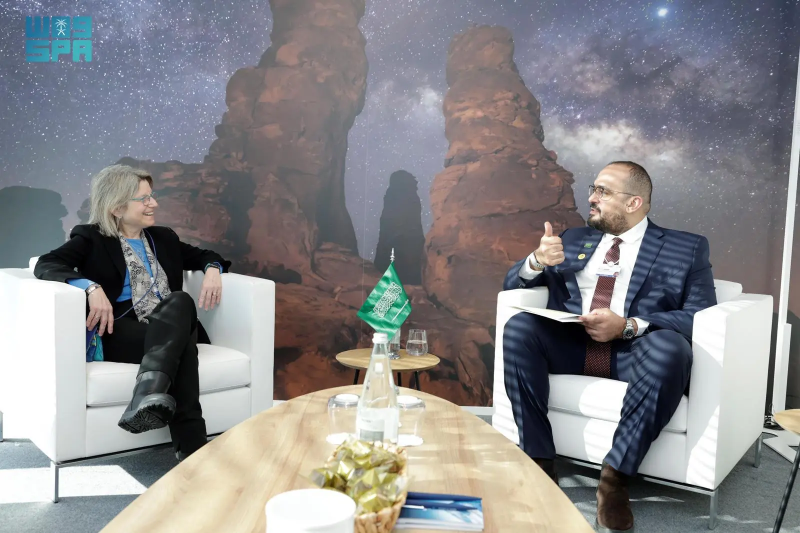
Alongside the SUSTAIN Platform announcement, Minister of Economy and Planning Faisal Alibrahim held a meeting with Massachusetts Institute of Technology (MIT) President Sally Kornbluth. The discussion centered on strengthening collaboration in education, research, and innovation. This meeting underscores the Kingdom’s broader strategy of investing in human capital and technological advancement.
The focus on talent development is particularly relevant given the rapid growth of the AI sector. Saudi Arabia recognizes the need to cultivate a skilled workforce capable of developing and deploying AI-powered solutions like SUSTAIN. Partnerships with leading institutions like MIT are seen as vital to achieving this goal.
Additionally, the Kingdom is actively seeking to diversify its economy away from its traditional reliance on oil. Sustainable development initiatives, supported by platforms like SUSTAIN, are viewed as key drivers of this diversification. By fostering innovation in areas like renewable energy and green technology, Saudi Arabia aims to create new economic opportunities and reduce its carbon footprint.
The development of SUSTAIN also aligns with Saudi Arabia’s Vision 2030, a strategic framework for long-term economic and social transformation. Vision 2030 emphasizes the importance of sustainability, diversification, and a thriving private sector. The platform is intended to be a practical tool for realizing the ambitious goals outlined in this vision.
In contrast to previous, more siloed approaches to sustainability, SUSTAIN represents a concerted effort to create a more integrated and collaborative ecosystem. The use of AI is intended to make this ecosystem more efficient and effective, accelerating the pace of progress towards a more sustainable future. The platform’s focus on matchmaking could also unlock new synergies and lead to innovative solutions that might not have emerged otherwise.
The launch of SUSTAIN in 2026 is the next key milestone. Prior to the launch, the Ministry will likely focus on onboarding partners, refining the platform’s AI algorithms, and establishing clear governance structures. The level of engagement from both public and private sector entities will be a critical indicator of the platform’s potential impact. It remains to be seen how effectively SUSTAIN will address the challenges of cross-sector collaboration and contribute to Saudi Arabia’s economic growth and sustainability objectives.
Looking ahead, observers will be watching for details on the platform’s data security protocols, the metrics used to measure its success, and the extent to which it fosters genuine innovation and collaboration. The platform’s long-term viability will depend on its ability to adapt to evolving needs and maintain the trust of its users.