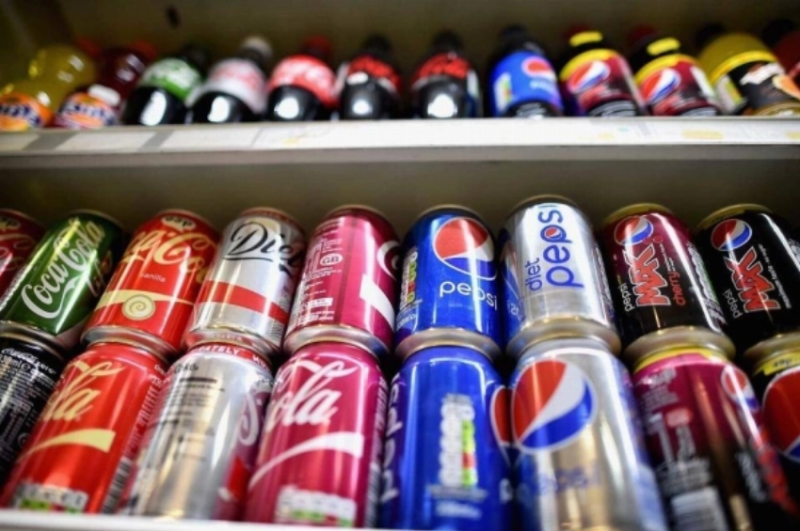

The Saudi Zakat, Tax and Customs Authority (ZATCA) is implementing a new system for calculating excise tax on sweetened beverages, effective January 1st. This shift moves away from a flat 50% rate to a tiered approach based on the amount of sugar present in each drink, measured in grams per 100ml. The change, announced this week, aims to improve public health outcomes and align Saudi Arabia with broader Gulf Cooperation Council (GCC) health initiatives.
The new regulations apply to all sweetened beverages sold in Saudi Arabia, impacting both producers and consumers. ZATCA’s decision follows a directive from the GCC’s Financial and Economic Cooperation Committee to standardize excise tax calculations across member states. This move is part of a regional effort to address rising rates of obesity and diabetes linked to high sugar consumption.
Understanding the New Excise Tax Methodology
The revised system categorizes sweetened beverages into four distinct tax brackets. These brackets are determined solely by the total sugar content per 100ml of the ready-to-drink product. This contrasts with the previous method, which applied a 50% tax based on the retail price, regardless of sugar levels.
Tax Bracket Breakdown
The first bracket provides an exemption for beverages sweetened exclusively with artificial sweeteners, containing no added sugar. The second bracket applies to low-sugar drinks, defined as those with less than 5 grams of sugar per 100ml. The third bracket covers medium-sugar beverages, ranging from 5 to 7.99 grams of sugar per 100ml. Finally, the fourth bracket imposes the highest tax rate on high-sugar drinks, those containing 8 grams or more of sugar per 100ml.
ZATCA clarified that the definition of sweetened beverages is broad, encompassing not only ready-to-drink options but also concentrates, powders, gels, and extracts intended for beverage preparation. This comprehensive approach ensures that all sources of added sugar are subject to the new tax structure.
According to the authority, the specific tax rates within each bracket will be detailed in supplementary guidance released shortly. However, the core principle remains: higher sugar content equates to a higher excise tax.
This change is expected to have a significant impact on the beverage industry in Saudi Arabia. Manufacturers and importers will likely reformulate products to reduce sugar content and fall into lower tax brackets. This could lead to a wider availability of sugar-free and low-sugar alternatives for consumers.
The implementation of this tiered system is a key component of Saudi Arabia’s Vision 2030, which prioritizes improving the quality of life for citizens and diversifying the economy. Reducing the prevalence of lifestyle diseases, such as diabetes, is a crucial aspect of this vision. The new excise tax is seen as a tool to encourage healthier choices.
Experts suggest that the new system will also create more transparency in the pricing of sweetened beverages. Previously, the flat 50% tax could be absorbed into the overall cost structure, making it difficult for consumers to discern the actual tax component. The tiered system, with its direct link to sugar content, will likely lead to clearer price labeling.
The move towards volumetric taxation on sugar-sweetened beverages is a growing global trend. Several countries, including Mexico and the United Kingdom, have already implemented similar taxes to curb sugar consumption and address public health concerns. These international examples likely informed the GCC’s decision and ZATCA’s subsequent implementation.
While the primary goal is public health, the new regulations are also expected to generate additional revenue for the Saudi government. This revenue can then be allocated to healthcare initiatives and other public services. The long-term financial impact of the change remains to be seen, and will depend on consumer behavior and industry response.
The ZATCA has indicated that it will provide comprehensive guidance and support to businesses to ensure a smooth transition to the new tax on sugary drinks. This includes detailed explanations of the tax brackets, calculation methods, and compliance requirements. Businesses are encouraged to review the updated regulations and prepare accordingly.
Looking ahead, the success of this initiative will be measured by its impact on sugar consumption patterns and public health indicators. Monitoring changes in beverage sales, consumer preferences, and rates of obesity and diabetes will be crucial. Further adjustments to the tax brackets or rates may be considered based on these findings. The authority has not yet specified a timeline for a formal review of the system’s effectiveness, but industry stakeholders anticipate ongoing evaluation and potential refinements.
The implementation of this new excise duty also highlights the increasing importance of tax compliance in the region. Businesses operating in Saudi Arabia must stay informed about evolving tax regulations and ensure they are meeting all their obligations. Failure to comply can result in penalties and legal repercussions. Relatedly, the changes to VAT regulations in recent years demonstrate a similar trend towards greater tax sophistication.