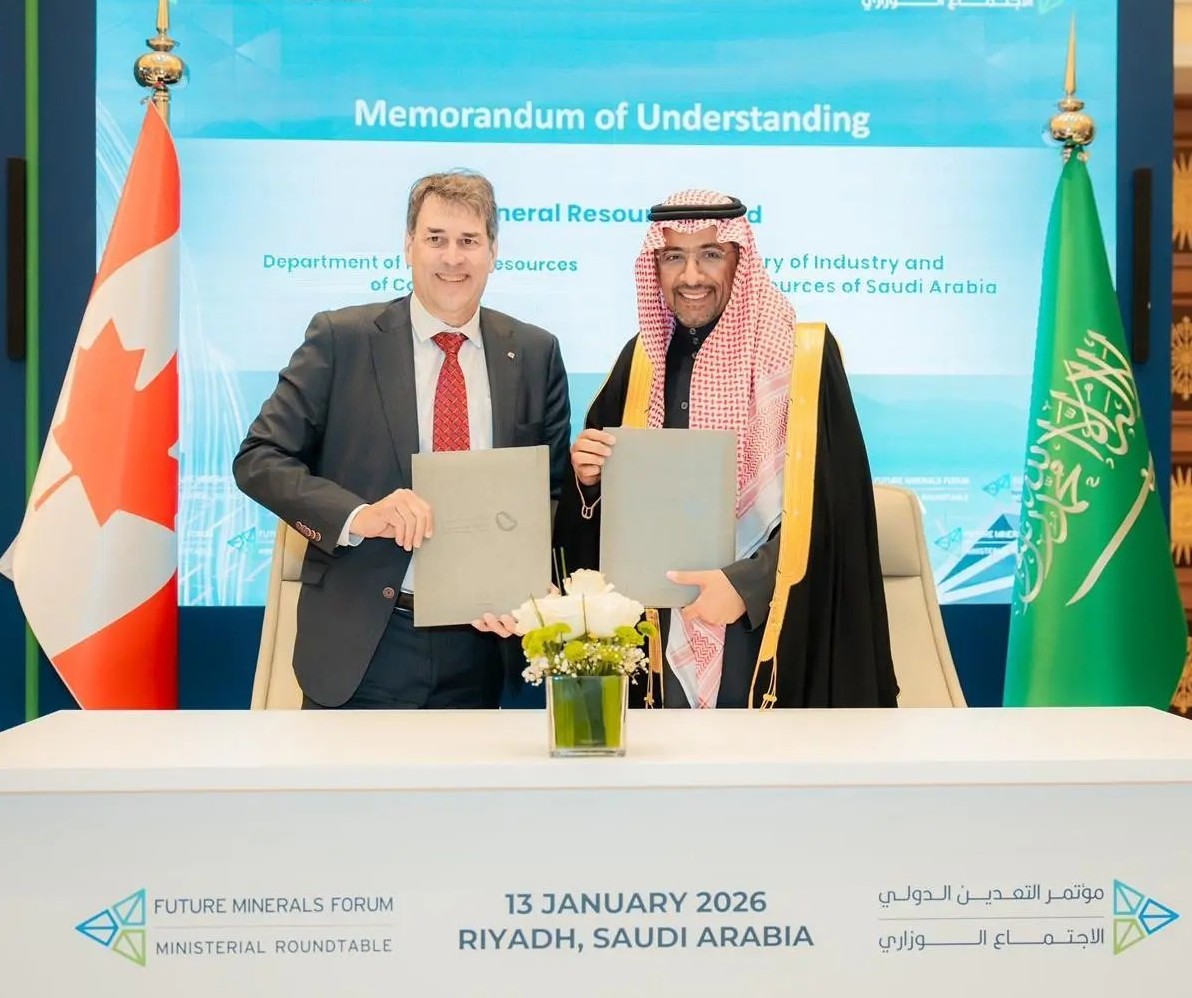

Saudi Arabia is strengthening its position as a global mining hub through new international partnerships. The nation’s Ministry of Industry and Mineral Resources signed three memoranda of understanding (MoUs) focused on mineral resources cooperation with Chile, Canada, and Brazil on the sidelines of the Fifth International Ministerial Meeting of Ministers Responsible for Mining Affairs held in Riyadh this week. These agreements signal a concerted effort to diversify the Saudi economy and capitalize on its vast, largely untapped mineral wealth.
The signings occurred between January 13th and 15th in Riyadh, as ministers from around the world convened to discuss the future of the mining industry. The MoUs involve collaboration with the Chilean Ministry of Mines, the Canadian Department of Natural Resources, and the Brazilian Ministry of Mines and Energy. Details of the specific projects and areas of focus within each MoU were not immediately disclosed by the Saudi Ministry.
Expanding Saudi Arabia’s Mineral Resources Sector
Saudi Arabia has identified the development of its mineral resources as a key pillar of its Vision 2030 plan, aiming to reduce its reliance on oil revenues. The country is estimated to possess significant deposits of various minerals, including aluminum, copper, gold, iron ore, and phosphate. However, realizing the full potential of these resources requires substantial investment in exploration, infrastructure, and technology.
These MoUs are designed to facilitate that investment and knowledge transfer. Collaboration with countries like Chile, a world leader in copper production, and Canada, known for its advanced mining technologies, is expected to accelerate the development of Saudi Arabia’s mining capabilities. Brazil’s expertise in iron ore and other base metals will also be valuable as the Kingdom expands its portfolio.
Strategic Partnerships and Global Implications
The agreements with Chile and Brazil are particularly noteworthy given the increasing global demand for critical minerals used in renewable energy technologies, such as electric vehicles and solar panels. These nations are major suppliers of lithium, copper, and other essential materials. Securing access to these resources and establishing collaborative relationships is seen as crucial for Saudi Arabia’s long-term economic strategy.
Additionally, the partnership with Canada reflects a broader trend of international cooperation in the mining sector. Canada has a well-established regulatory framework and a strong commitment to sustainable mining practices, areas where Saudi Arabia is actively seeking to improve. The Ministry of Industry and Mineral Resources has been working to attract foreign investment and expertise to modernize its mining laws and environmental standards.
The Fifth International Ministerial Meeting, which concluded Tuesday, focused on the theme of “Minerals: Meeting the Challenges for a New Era of Development.” Discussions centered on ensuring responsible sourcing of minerals, promoting innovation in mining technologies, and addressing the environmental and social impacts of mining operations. The event underscored the growing importance of the mining industry in supporting global economic growth and the energy transition.
The Saudi government has been actively promoting investment opportunities in its mining sector, offering incentives such as tax breaks and streamlined licensing procedures. According to reports from the Ministry, the Kingdom aims to triple the contribution of the mining sector to its GDP by 2030. This ambitious goal requires attracting billions of dollars in foreign investment and developing a skilled workforce.
While the specific details of the MoUs remain confidential, the Ministry indicated that they cover a range of areas, including geological surveys, exploration, technology transfer, and training programs. The agreements are expected to lead to joint ventures and collaborative projects in the coming years. The focus on sustainable mining practices is also expected to be a key component of these partnerships.
Looking ahead, the next step will involve establishing joint working groups to develop detailed implementation plans for each MoU. A timeline for the commencement of specific projects has not yet been announced, and the success of these initiatives will depend on factors such as geopolitical stability and the availability of financing. Industry analysts will be closely watching the progress of these collaborations to assess their impact on Saudi Arabia’s mining sector and its broader economic diversification efforts. Reuters provides further coverage of these developments.
The Kingdom’s push into mining also aligns with global trends in energy transition and the increasing demand for critical minerals.