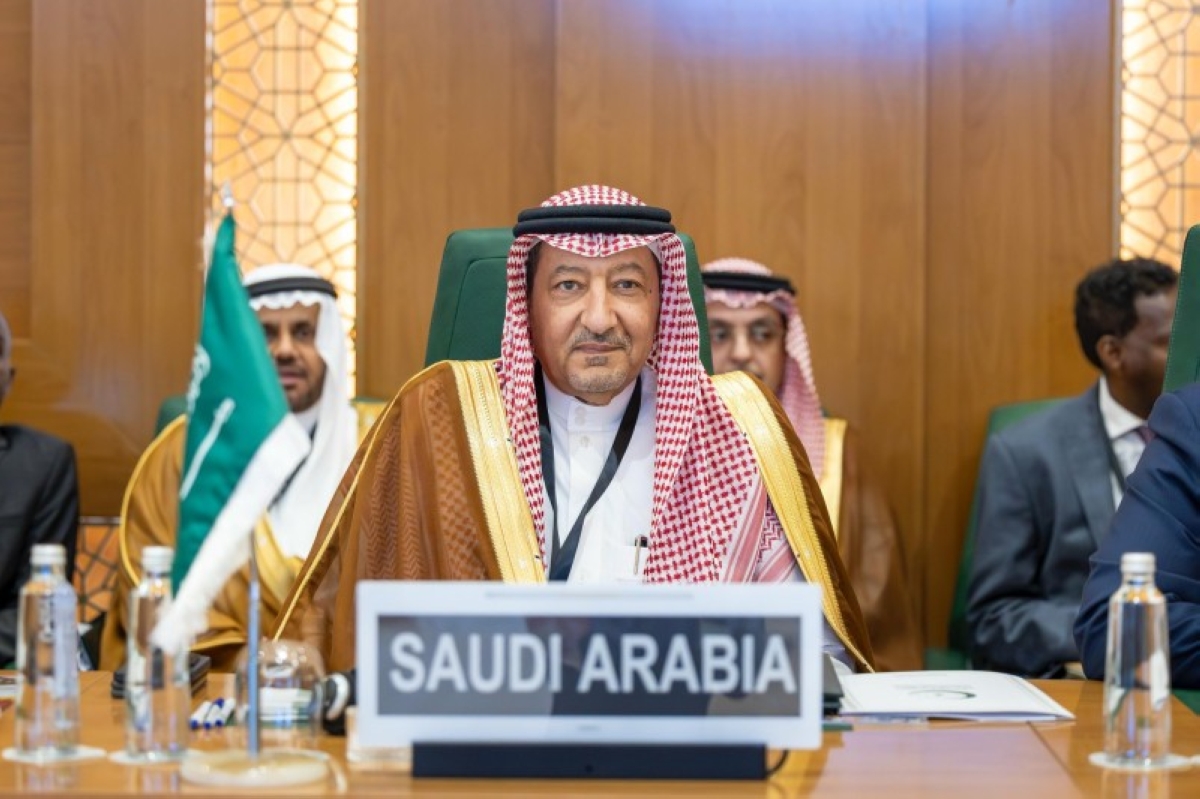

Saudi Arabia has strongly condemned recent developments regarding the self-declared state of Somaliland and its potential relationship with Israel, reaffirming its unwavering support for Somalia’s sovereignty and territorial integrity. The Kingdom’s position was articulated at an extraordinary meeting of the Organization of Islamic Cooperation (OIC) foreign ministers held in Jeddah on Saturday. This stance reflects growing international concern over actions that could destabilize the Horn of Africa region and set precedents for separatist movements.
Deputy Foreign Minister Waleed Al-Khuraiji, representing Minister of Foreign Affairs Prince Faisal bin Farhan, delivered the Kingdom’s message during the OIC meeting. The discussion centered on the implications of a reported agreement between Israel and Somaliland, a region within Somalia that declared independence in 1991 but lacks international recognition. Saudi Arabia’s firm rejection of any moves undermining Somalia’s unity signals a commitment to regional stability and adherence to international law.
Saudi Arabia Rejects Actions Threatening Somalia’s Sovereignty
According to a statement released by the Saudi Ministry of Foreign Affairs, the Kingdom views the purported mutual recognition between Israel and Somaliland as a violation of the UN Charter, the OIC Charter, and established principles of international law. The move is seen as an attempt to unilaterally alter Somalia’s borders and undermine its legitimate government. This position aligns with the broader Arab consensus on maintaining the integrity of existing nation-states in the region.
The Regional Context
Somalia has long faced challenges related to internal conflict and the presence of extremist groups. The self-declaration of independence by Somaliland has been a persistent issue, with the region functioning as a de facto independent state for over three decades. However, international recognition remains limited, and most countries continue to consider Somaliland part of Somalia. The recent developments introduce a new layer of complexity to the situation.
The Kingdom’s statement specifically called on the OIC and its member states to adopt a unified stance against recognizing or engaging with separatist entities within Somalia. Additionally, Saudi Arabia urged holding Israel accountable for any political or security repercussions stemming from the alleged agreement. This call for collective action underscores the Kingdom’s belief that a strong, coordinated response is necessary to prevent further destabilization.
Meanwhile, the situation has sparked debate among international actors. Some observers suggest the agreement between Israel and Somaliland is primarily focused on strategic interests, such as access to the Red Sea and potential security cooperation. However, critics argue that it could embolden other separatist movements and further fragment Somalia, potentially exacerbating existing security challenges. The potential for increased regional instability is a key concern.
In contrast to the focus on Somalia, Al-Khuraiji also reiterated Saudi Arabia’s longstanding position on the Palestinian cause during the OIC meeting. He emphasized the Kingdom’s support for achieving a ceasefire in Gaza and enabling the Palestinian people to establish an independent state based on the 1967 borders, with East Jerusalem as its capital. This reaffirmation highlights the interconnectedness of regional issues and Saudi Arabia’s consistent foreign policy priorities.
The report indicates that Saudi Arabia is actively engaging in diplomatic efforts to address the situation in Somalia. The Kingdom has historically played a significant role in mediating conflicts and promoting stability in the Horn of Africa. Its financial and political support for Somalia’s government is considered crucial for maintaining the country’s fragile stability. The Kingdom’s involvement in the OIC meeting demonstrates its commitment to a multilateral approach to resolving the crisis.
The implications of the Israel-Somaliland agreement extend beyond the immediate regional context. Analysts suggest it could set a dangerous precedent for other disputed territories and potentially encourage further unilateral actions that undermine international norms. The potential for increased competition among external powers in the Horn of Africa is also a growing concern. The situation requires careful monitoring and a concerted effort to prevent escalation.
Looking ahead, the OIC is expected to issue a formal resolution on the matter, outlining a collective course of action. The resolution’s strength and the extent to which member states adhere to it will be key indicators of the international community’s response. Further diplomatic engagements between Saudi Arabia, Somalia, Israel, and other relevant actors are anticipated in the coming weeks. The long-term impact on Somalia and regional security remains uncertain, and continued monitoring of developments is crucial.