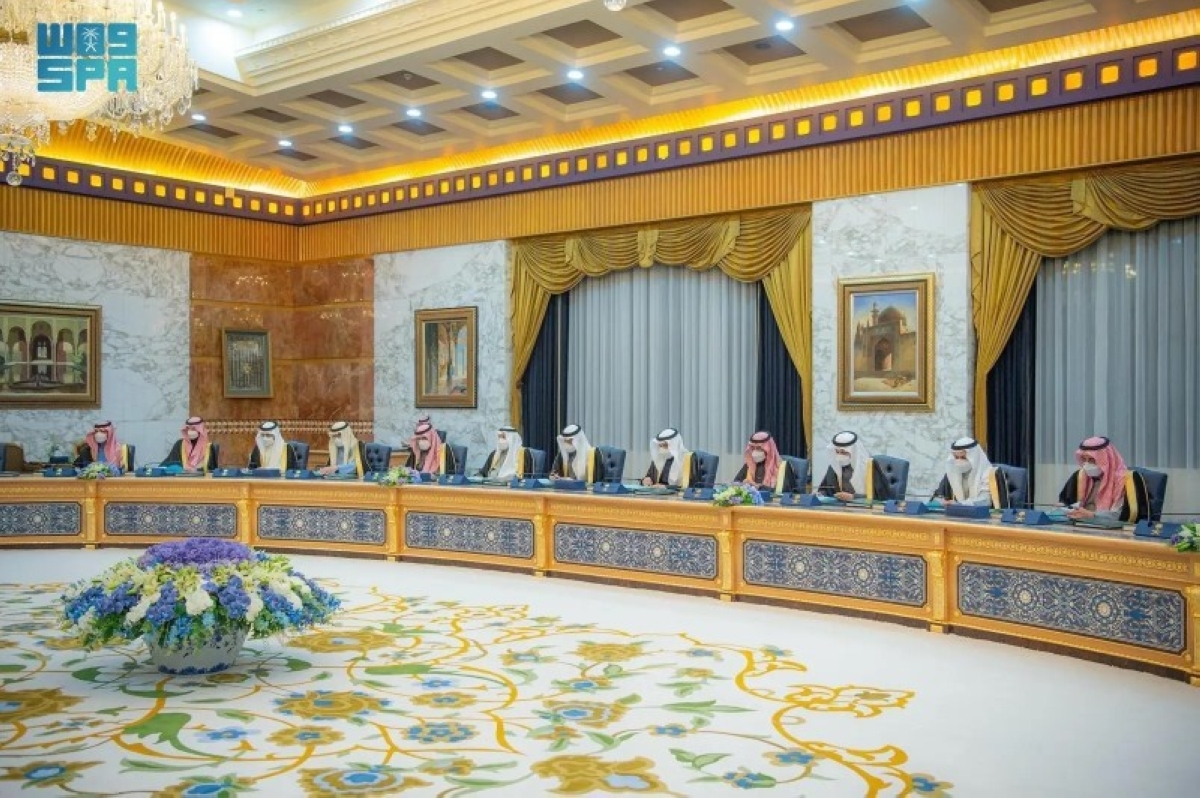

RIYADH – The Saudi Arabian Council of Ministers on Tuesday reiterated the Kingdom’s steadfast support for Somalia’s sovereignty and territorial integrity, while simultaneously condemning the recent declaration of mutual recognition between Israel and the self-declared “Somaliland” region. This stance underscores Saudi Arabia’s commitment to international law and regional stability, particularly concerning the Horn of Africa. The Cabinet also approved a range of agreements and bylaws aimed at bolstering economic development and international cooperation, furthering the goals of Saudi Arabia’s Vision 2030.
Saudi Arabia Rejects Somaliland Recognition, Affirms Support for Somalia
The Saudi government firmly rejected the move by Israel to recognize Somaliland, viewing it as a violation of international law and a destabilizing action in the region. According to a statement released by the Saudi Ministry of Foreign Affairs, the declaration undermines Somalia’s unity and poses a challenge to established diplomatic norms. This decision aligns with the longstanding Saudi position of prioritizing the sovereignty of recognized nations and opposing unilateral separatist movements.
The move comes amidst ongoing political complexities in Somalia, where the central government faces challenges from various factions, including those seeking greater autonomy or independence. The international community largely considers Somaliland to be an autonomous region of Somalia, and widespread recognition remains a contentious issue. Saudi Arabia’s rejection of Israel’s recognition is expected to add further pressure on other nations to maintain the status quo.
Strengthening Regional and International Ties
Beyond the issue of Somalia, the Cabinet reviewed and approved several initiatives designed to enhance Saudi Arabia’s relationships with key partners. Discussions included a briefing from King Salman on a message received from Russian President Vladimir Putin regarding bilateral relations. The ministry indicated a continued focus on strengthening ties with Russia despite ongoing geopolitical tensions.
The outcomes of the third meeting of the Saudi-Omani Coordination Council were also lauded, with the Cabinet noting progress in economic, trade, industrial, energy, and investment sectors. This collaboration is seen as crucial for achieving greater prosperity and consolidating regional security. Additionally, the Council highlighted Saudi Arabia’s ongoing humanitarian efforts, providing aid in health, education, and food globally, rooted in Islamic values.
Vision 2030 Implementation and Economic Diversification
Domestically, the Council of Ministers focused on the implementation of Vision 2030, Saudi Arabia’s ambitious plan for economic diversification and social reform. A key project, the third phase of the Riyadh Main and Ring Road Axes Development Program, received particular commendation. This program aims to improve transportation infrastructure within the capital, enhance connectivity, and position Riyadh as a major regional hub for sustainable transportation and logistics.
Several regulatory bylaws were approved to facilitate investment and economic growth. These included bylaws for the special economic zones of Jazan, the Information Cloud Computing Zone, King Abdullah Economic City, and Ras Al-Khair. The approval of these bylaws is intended to streamline operations and attract both domestic and foreign investment, contributing to the Kingdom’s economic diversification goals.
Further demonstrating a commitment to economic restructuring, the Cabinet approved the abolition and reorganization of the Tourism Development Council and regional tourism development councils. This move suggests a potential streamlining of tourism-related governance structures. The establishment of a commercial and economic office for the Hong Kong Special Administrative Region government in Riyadh was also approved, signaling a desire to deepen trade relations with East Asian markets.
New Agreements and Memoranda of Understanding
The Council of Ministers approved a series of draft agreements and memoranda of understanding (MoUs) with various countries and international organizations. These included agreements with Pakistan for cooperation in the energy sector, and with the United Nations for the Green Middle East Initiative. These partnerships are expected to contribute to Saudi Arabia’s energy security and environmental sustainability efforts.
Other approved MoUs focused on justice, technology, and health. A MoU with Hungary aims to enhance cooperation in the field of justice, while another with Palestine will focus on communications and information technology. A health cooperation agreement with Iraq was also approved, reflecting a commitment to regional healthcare collaboration. The Kingdom also acceded to the Convention for the Suppression of Unlawful Acts Relating to International Civil Aviation (Beijing Convention, 2010) and signed an air services agreement with Serbia, bolstering international aviation security and connectivity.
Finally, the Cabinet authorized further discussions and potential signing of agreements with the United Nations Office for Outer Space Affairs regarding peaceful uses of outer space, and with UNESCO concerning the establishment of a regional center for dialogue and peace. These initiatives demonstrate Saudi Arabia’s growing engagement in global issues, including space exploration and conflict resolution.
Looking ahead, the implementation of these approved agreements and bylaws will be closely monitored. The next steps involve finalizing the details of the MoUs and agreements, and initiating the practical steps for their execution. The success of Saudi Arabia’s Vision 2030 hinges on effective implementation of these initiatives, and the Kingdom’s continued commitment to international cooperation and regional stability. The impact of these developments on foreign investment and economic growth will be key indicators to watch in the coming months, as will the evolving situation in Somalia and the international response to the Somaliland recognition issue.