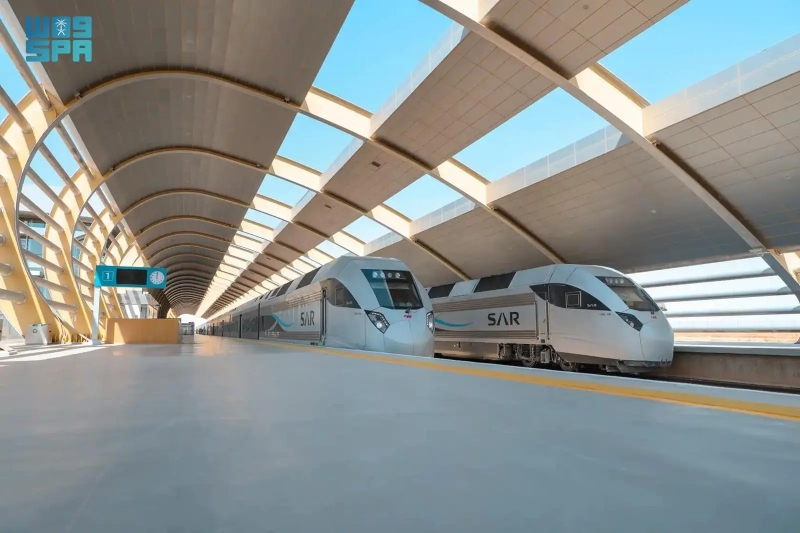

Saudi Arabia Railways (SAR) has issued a tender for the manufacture of 10 new passenger trains to serve its Northern Network. This move is a significant step in the Kingdom’s ongoing investment in its national rail infrastructure, aiming to increase passenger rail services and accommodate growing demand. The deadline for bid submissions is set for May 11, 2026, according to a recent SAR announcement.
The tender encompasses the complete lifecycle of the trains, from design and manufacturing to supply and ongoing fleet maintenance. This expansion project will directly impact travel between key cities in the northern region, including Riyadh, Hail, and Al-Jouf. The initiative is part of a larger national strategy to modernize transportation and support the ambitious goals of Saudi Vision 2030.
Expanding Saudi Arabia’s Passenger Rail Capacity
The addition of these 10 trains represents a substantial increase in capacity for the Northern Network. SAR anticipates the expansion will nearly triple the network’s current capabilities, boosting annual seating capacity to over 2.4 million. This growth is driven by increasing domestic tourism and a broader push to diversify transportation options within the country.
Northern Network Details
The Northern Network currently stretches approximately 2,700 kilometers, connecting several major urban centers. SAR plans to further extend the network’s reach with the addition of new passenger stations, such as the planned facility in Al-Zulfi. This ongoing development aims to integrate rail travel more seamlessly into the daily lives of Saudi citizens and residents.
Saudi Arabia has been actively developing its railway network as part of its economic diversification plan. Investments in rail infrastructure are seen as crucial for reducing reliance on road transport, improving logistics, and fostering regional connectivity. The country is also working to attract private sector investment in the railway sector.
The scope of the tender extends beyond simply acquiring new rolling stock. It includes comprehensive maintenance services, designed to ensure the long-term reliability and operational efficiency of the fleet. This focus on sustainability is a key element of SAR’s overall strategy.
According to Bashar Al Malik, CEO of SAR, this expansion is a “strategic priority” and a “key milestone” in the company’s long-term development plans. He emphasized the importance of meeting the rising demand for passenger travel and strengthening SAR’s role in the national transport system.
This tender is not occurring in isolation. SAR is concurrently manufacturing an additional 10 passenger trains for the Eastern Line. This parallel project demonstrates the breadth of the company’s commitment to enhancing rail transport across the Kingdom. The Eastern Line expansion will likely focus on serving industrial areas and connecting them to major population centers.
The development of Saudi Arabia’s railway network is also expected to stimulate economic growth in the regions it serves. Improved transportation links can facilitate trade, attract investment, and create employment opportunities. The Ministry of Transport and Logistics has highlighted these benefits in its strategic planning documents.
The current focus on passenger rail is a relatively recent development, as historically, SAR has prioritized freight transport. However, the increasing demand for comfortable and efficient intercity travel has prompted a shift in focus. This change reflects a broader trend towards passenger-centric transportation planning in the region.
The tender process itself will be conducted in accordance with established regulatory procedures for public tenders. This ensures transparency and fairness in the selection of the winning bidder. Potential bidders are expected to demonstrate a proven track record in the design, manufacture, and maintenance of modern passenger trains.
The expansion of train travel in Saudi Arabia aligns with global trends towards sustainable transportation. Rail travel generally has a lower carbon footprint compared to air or road transport, making it an attractive option for environmentally conscious travelers. The Kingdom is increasingly emphasizing sustainability in its infrastructure projects.
Looking ahead, the next step involves evaluating the bids received by May 11, 2026. The selection process will likely consider factors such as price, technical specifications, and the bidder’s experience. The timeline for awarding the contract and commencing train manufacturing remains uncertain, but is expected within the following year. Industry observers will be watching to see which international rail manufacturers compete for this significant contract and how the project progresses in relation to the broader Saudi Vision 2030 goals.
Further developments are anticipated in the coming months regarding the Eastern Line train manufacturing and the planned upgrades to existing stations along both networks. The success of these initiatives will be crucial in establishing SAR as a leading provider of railway passenger transport in the Middle East and supporting the Kingdom’s long-term economic and social development.