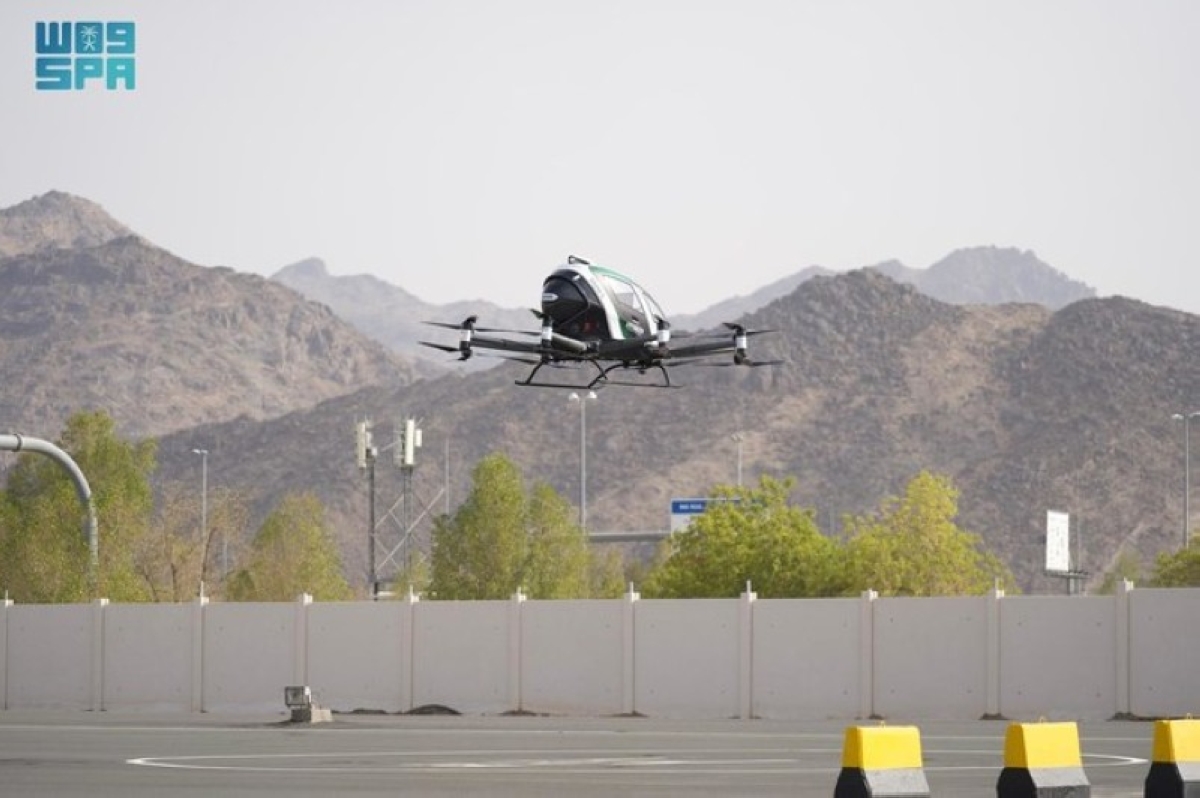

Riyadh, Saudi Arabia – Saudi Arabia is poised to become a global leader in air taxi technology, announcing a strategic partnership with Archer Aviation, a U.S.-based developer of electric vertical takeoff and landing (eVTOL) aircraft. The agreement, revealed during the CoMotion global summit in Riyadh, signals a significant investment in advanced air mobility (AAM) infrastructure and regulatory frameworks within the Kingdom. This collaboration aims to revolutionize urban transportation and position Saudi Arabia at the forefront of next-generation travel solutions.
The partnership focuses on integrating eVTOL aircraft into the country’s existing aviation network, with initial efforts centered on establishing safety standards and conducting test flights. According to officials, the initiative aligns with Saudi Arabia’s broader aviation strategy and its commitment to sustainable transportation. The move reflects a growing international trend toward AAM as a means of alleviating traffic congestion and providing faster, more efficient travel options.
Developing Saudi Arabia’s Air Taxi Ecosystem
The collaboration between Saudi Arabia’s General Authority of Civil Aviation (GACA) and Archer Aviation encompasses several key areas. These include upgrading and expanding the regulatory framework for VTOL aircraft, aligning safety and certification processes with the U.S. Federal Aviation Administration (FAA), and supporting a phased introduction of commercial air taxi services. This comprehensive approach is designed to ensure the safe and scalable deployment of this emerging technology.
Key Components of the Partnership
The agreement outlines a series of practical steps to bring air taxi services to reality in Saudi Arabia. These include conducting extensive test flights within the Kingdom to evaluate aircraft performance in local conditions. Proof-of-concept demonstrations will showcase the viability of AAM to stakeholders and the public. Furthermore, assessments will be undertaken to determine the necessary infrastructure upgrades, such as vertiports, to support widespread operations.
Public awareness campaigns are also a crucial element, aiming to build acceptance and understanding of this new mode of transport. These efforts will address potential concerns regarding safety, noise, and environmental impact. The partnership recognizes that successful implementation requires not only technological advancements but also public trust and support.
Regulatory Alignment and Safety Standards
A core focus of the collaboration is harmonizing aviation regulations. Aligning with the FAA’s standards is expected to streamline the certification process for Archer’s aircraft and facilitate international interoperability. This is particularly important as Archer seeks to expand its operations globally. The partnership will also involve developing specific regulations tailored to the unique operational environment in Saudi Arabia.
Capt. Suleiman Al-Muheimeed, GACA’s Executive Vice President for Aviation Safety and Environmental Sustainability, emphasized the importance of this regulatory work. He stated that partnering with innovators like Archer strengthens the foundations needed to integrate VTOL aircraft into the national aviation network. This initiative directly supports the AAM roadmap and reinforces Saudi Arabia’s ambition to lead in advanced air mobility.
Archer’s founder and CEO, Adam Goldstein, echoed this sentiment, noting that Saudi Arabia is moving “boldly and decisively” to establish a next-generation mobility ecosystem. He expressed his honor that GACA selected Archer for this transformative effort, adding that the collaboration will help pave the way for safe and sustainable air travel for millions. The company’s technology is seen as a key enabler of this vision.
The development of AAM is not without its challenges. Infrastructure costs, battery technology limitations, and public perception remain significant hurdles. However, Saudi Arabia’s substantial financial resources and commitment to innovation position it well to overcome these obstacles. The Kingdom is also actively exploring other emerging transportation technologies, such as hyperloop systems, as part of its broader diversification efforts.
The broader context of this investment is Saudi Arabia’s “Vision 2030” plan, a strategic framework aimed at reducing the country’s reliance on oil and fostering economic diversification. Investing in advanced technologies like air taxi services is seen as a crucial component of this plan, attracting foreign investment and creating high-skilled jobs. The development of a robust AAM sector could also boost tourism and improve connectivity within the Kingdom.
Looking ahead, the next phase will involve detailed planning for the initial test flights and the establishment of designated testing zones. GACA and Archer are expected to announce specific timelines and locations in the coming months. The success of these early trials will be critical in building confidence and securing further investment in the AAM sector. Ongoing monitoring of regulatory developments and technological advancements will also be essential to ensure the long-term viability of air taxi services in Saudi Arabia.