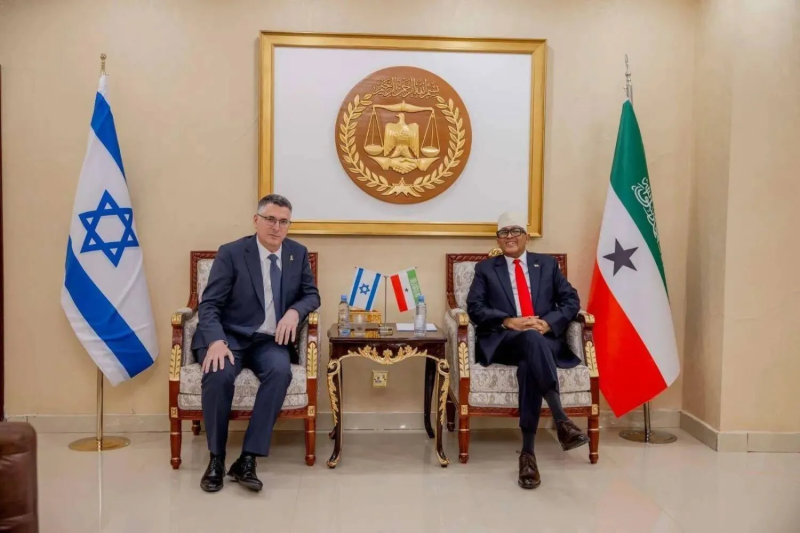

RIYADH — A coalition of 22 nations, including Saudi Arabia, Indonesia, and Türkiye, issued a strong joint statement Friday condemning a recent Israeli diplomatic visit to the self-declared Republic of Somaliland. The nations, representing Arab, Islamic, and African interests, deemed the visit a violation of Somalia’s sovereignty and territorial integrity, rejecting any recognition of Somaliland as independent from Somalia. This decision regarding Somaliland has sparked significant regional concern and diplomatic fallout.
The statement, released by the Saudi Ministry of Foreign Affairs on behalf of the group, specifically criticized the Jan. 6 visit by an Israeli official and the subsequent acknowledgement of Somaliland. Participants in the joint statement also include Algeria, Bangladesh, Comoros, Djibouti, Egypt, Gambia, Iran, Jordan, Kuwait, Libya, Maldives, Nigeria, Oman, Pakistan, Palestine, Qatar, Sudan, and Yemen, along with the Organization of Islamic Cooperation.
International Condemnation of the Somaliland Visit
The core issue revolves around Somaliland’s disputed status. The region declared independence from Somalia in 1991 following a civil war. However, this independence has not been recognized internationally, and the international community largely considers Somaliland to be an autonomous region within Somalia. The recent Israeli move departs from that long-held position.
According to the joint statement, the visit and any form of recognition undermine international law, the principles enshrined in the United Nations Charter, and risk escalating tensions in the Horn of Africa. The ministers emphasized the importance of respecting the sovereignty of nations and avoiding interference in internal affairs, particularly when dealing with regions facing complex political challenges.
Somalia’s Response and Regional Implications
Somalia’s government has consistently maintained that Somaliland is an integral part of its territory. They strongly protested the Israeli official’s visit, recalling their ambassador to Israel in response. The government in Mogadishu views the developments as a direct assault on its national unity and sovereignty.
This incident occurs amidst ongoing efforts to mediate a resolution to the long-standing dispute between Somalia and Somaliland. The African Union, along with other international actors, has been attempting to facilitate dialogue between the two sides. However, this Israeli delegation may stall progress on any potential peaceful resolution.
Additionally, the situation has implications for broader regional stability. The Horn of Africa is a strategically important area grappling with numerous conflicts and humanitarian crises. External interference, especially concerning unresolved territorial disputes, could exacerbate existing vulnerabilities and trigger further instability. Analysts suggest that the move by Israel could encourage other countries to reassess their policies towards Somaliland.
Israel’s Stated Rationale and Broader Context
While the joint statement frames Israel’s actions as a violation of international law, reports indicate Israel has been seeking to forge new diplomatic ties in Africa. This effort includes exploring relationships with entities like Somaliland that operate outside traditional state recognition structures. Israel previously lacked formal diplomatic relations with Somalia.
The Israeli foreign ministry reportedly justified the visit as a diplomatic step to establish a working relationship with Somaliland, citing its relative stability compared to Somalia. However, this rationale did not appease the coalition of nations who view the visit through the lens of Somalia’s territorial integrity. The move represents a strategic calculation by Israel related to regional influence and security cooperation.
The statement highlights a growing concern among many countries in the Islamic world about shifting geopolitical alignments and the potential for unilateral actions that disrupt regional stability. The strong consensus displayed by the 22 nations underscores the importance placed on the principle of respecting established national borders and international legal frameworks. The concept of state recognition remains a key aspect of this dispute.
Impact on Diplomatic Relations
The strong rebuke from Saudi Arabia and its allies may strain Israel’s burgeoning diplomatic efforts in Africa. Saudi Arabia, as a leading regional power and a key ally of many African nations, holds significant influence. Its condemnation carries substantial weight and could dissuade other countries from following Israel’s lead.
Meanwhile, the incident has also raised questions about the role of external actors in mediating conflicts within Somalia. Some analysts suggest that a more coordinated international approach is needed to address the complex political dynamics in the region and avoid actions that could undermine existing peace initiatives. The issue of Horn of Africa security is central to the concerns raised.
In contrast to the condemnation, Somaliland’s authorities welcomed the Israeli delegation, viewing it as a step toward gaining international legitimacy. They argue that their de facto independence for over three decades demonstrates their capacity for self-governance and deserves recognition from the international community.
The ministers in the joint statement concluded by urging Israel to retract its recognition of Somaliland and reaffirm its respect for Somalia’s sovereignty. They also expressed continued support for Somalia’s diplomatic efforts to resolve the issue peacefully.
Looking ahead, it remains to be seen how Israel will respond to the international pressure. Further diplomatic activity and potential negotiations between Somalia and Somaliland, possibly with international mediation, are anticipated in the coming weeks. The situation requires close monitoring, particularly regarding the potential impact on regional security and the broader geopolitical landscape related to international diplomacy.