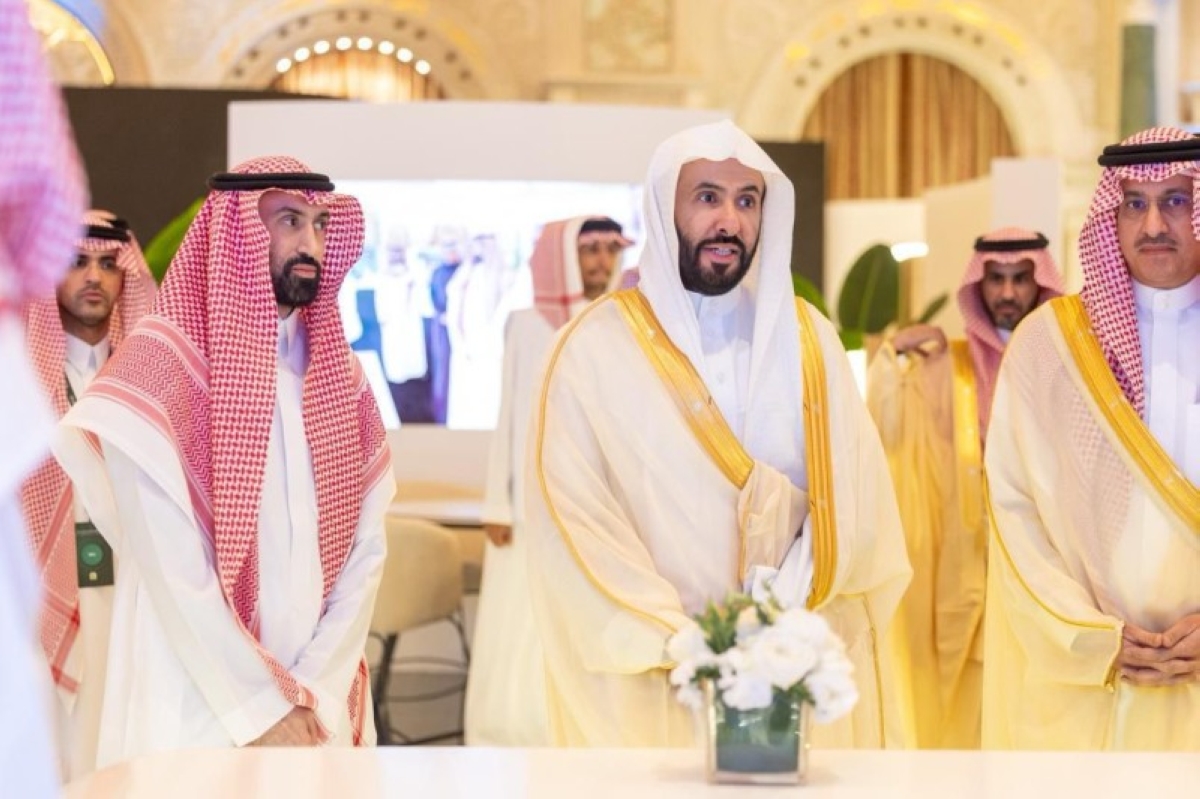

Saudi Arabia is hosting the second International Conference on Justice in Riyadh, focusing on the critical issue of judicial quality. The event, which began Sunday, draws over 4,000 attendees and 50 speakers from 40 nations, signaling growing international collaboration on justice system reforms. The conference is taking place under the patronage of Crown Prince Mohammed bin Salman, demonstrating the Kingdom’s commitment to developing its legal framework.
The two-day conference, inaugurated by Minister of Justice Walid Al-Samaani, aims to explore ways to enhance efficiency, transparency, and effectiveness within judicial systems globally. Attendees represent a wide range of expertise, including policymakers, legal practitioners, and academics. The event builds upon previous initiatives by the Kingdom to foster dialogue on vital justice sector topics.
The Importance of Judicial Quality in a Changing World
Al-Samaani emphasized that the conference centers on judicial quality as a key performance indicator for justice systems. He stated the Kingdom’s justice sector has undergone significant development thanks to the support of King Salman and the Crown Prince, enabling adaptation to rapid global changes. This modernization is seen as essential not just for upholding the rule of law, but also for supporting economic development and attracting foreign investment.
According to the Ministry of Justice, these advancements include improvements to court procedures and increased use of technology. However, the emphasis on quality extends beyond mere speed; it incorporates principles of fairness, accessibility, and accountability. This focus on holistic improvement reflects a broader global trend toward evaluating justice systems based on outcomes and user experience.
Saudi Arabia’s Judicial Reforms
The conference serves as a platform to showcase Saudi Arabia’s own ongoing judicial reforms. These reforms are part of the Kingdom’s Vision 2030 plan, which prioritizes strengthening governance and promoting a more stable and predictable legal environment. The event highlights progress made in areas such as alternative dispute resolution and the protection of individual rights.
Recent years have seen increased efforts to digitize legal processes in Saudi Arabia. This includes the introduction of e-courts and online services for filing cases and accessing court documents. Such initiatives are intended to reduce delays, lower costs, and improve the overall accessibility of the justice system for citizens and businesses. These advancements echo similar **legal technology** trends globally.
International Perspectives on Justice System Enhancement
Beyond showcasing domestic developments, the conference is dedicated to examining international best practices in maintaining **judicial integrity** and improving the delivery of justice. The program includes eight panel discussions covering a diverse range of topics relevant to modern judicial systems. Speakers will share insights into successful strategies for addressing challenges such as case backlogs, corruption, and ensuring equal access to legal representation.
The choice of “Judicial Quality” as the central theme acknowledges the growing recognition that a fair and efficient justice system is fundamental to sustainable development. Experts increasingly agree that an effective judicial system fosters trust in government, protects property rights, and creates a level playing field for businesses. The conference aims to promote a shared understanding of the factors that contribute to judicial quality and to identify concrete steps that can be taken to improve it.
The Kingdom previously hosted the International Conference on Judicial Integrity and Well-being in August, indicating a sustained commitment to this international dialogue. The focus on judicial well-being reflects a growing understanding of the importance of supporting judges and court personnel to maintain high standards of performance and ethical conduct. This holistic approach recognizes the human element within the judicial process.
The substantial attendance at this year’s event suggests expanding global interest in the core principles of effective governance and legal reform. The conference offers a space for cross-cultural learning and the exchange of ideas on how to build more responsive and accountable justice systems. This is crucial in a world increasingly characterized by complex legal issues and cross-border transactions.
Looking ahead, the Ministry of Justice has announced plans for further international collaborations, building on the momentum generated by these conferences. While specific dates and topics remain to be finalized, the commitment to ongoing dialogue and knowledge sharing is clear. The impact of these discussions on actual policy changes within Saudi Arabia and other participating nations will be a key area to monitor in the coming months and years.