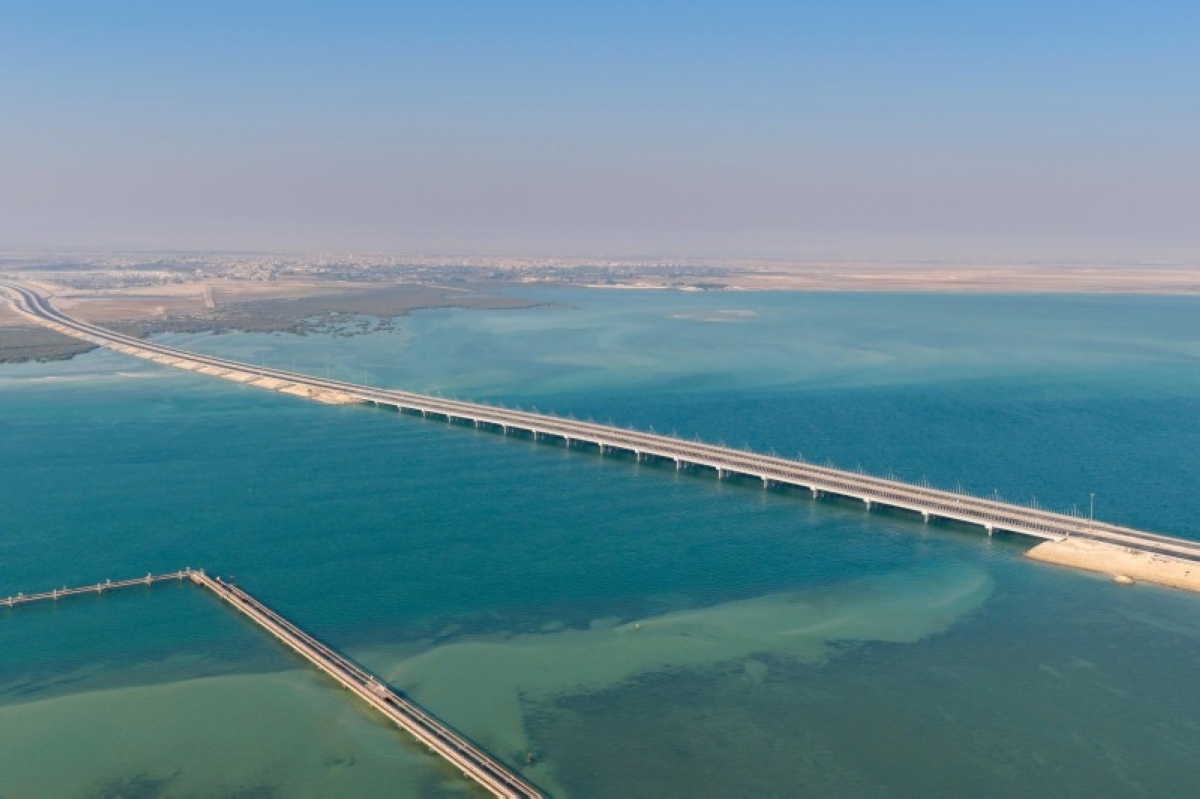

Dammam, Saudi Arabia – Prince Saud bin Nayef, Emir of the Eastern Province, officially opened the Safwa–Rahima Road on Sunday, a 15-kilometer transportation link connecting Safwa in Qatif to Ras Tanura. The project, highlighted by a 3.2-kilometer twin sea bridge, aims to improve regional connectivity and support the growing logistics sector in Saudi Arabia’s Eastern Province. The inauguration also included upgrades to key intersections along the Dhahran–Buqayq–Abu Hadriyah highway.
The opening ceremony, attended by Minister of Transport and Logistics Services Saleh Al-Jasser and other senior officials, signifies a major investment in the region’s infrastructure. The new road is expected to significantly reduce travel times and alleviate traffic congestion, particularly for those traveling between Safwa and Ras Tanura. These improvements are part of Saudi Arabia’s broader Vision 2030 plan, which prioritizes infrastructure development and economic diversification.
The Safwa–Rahima Road and its Impact on Regional Logistics
The centerpiece of the project is the 3.2-kilometer twin sea bridge, reportedly one of the longest of its kind in Saudi Arabia. According to the Ministry of Transport, the bridge provides a direct route to Ras Tanura Port, a critical hub for the country’s oil industry and broader supply chain. This direct access is anticipated to enhance the efficiency and reliability of goods movement.
Boosting Supply Chain Efficiency
The improved access to Ras Tanura Port is expected to streamline operations for companies involved in energy production and distribution. Additionally, the road will facilitate smoother transport of materials and equipment needed for ongoing and future projects in the area. The ministry stated that the new infrastructure will strengthen logistics services connected to the oil industry.
Economic Benefits and Regional Connectivity
The Safwa–Rahima Road is not an isolated project; it integrates with the larger transportation network, including the Dammam–Jubail Highway. This integration aims to create a more cohesive and efficient transportation system throughout the Eastern Province. The project is expected to deliver both economic and social benefits, serving the energy sector and improving mobility for residents.
Upgrades to the Dhahran–Buqayq–Abu Hadriyah Highway
Alongside the new road, Prince Saud also inaugurated improvements to the Dhahran–Buqayq–Abu Hadriyah highway. These upgrades include the addition of five new bridges, enhanced lighting systems, and improved rainwater drainage infrastructure. These enhancements are designed to improve traffic flow and enhance road safety.
The upgraded intersections feature new directional and service ramps, providing better access for traffic originating from Buqayq, King Abdulaziz Port, Bahrain, and Aramco’s Ajyal community. This improved connectivity is intended to reduce congestion and facilitate easier access to key destinations throughout the region. The Ministry of Transport emphasized the importance of these improvements for both commercial and private vehicles.
However, the long-term impact of these infrastructure projects will depend on continued investment in maintenance and further expansion of the transportation network. The Eastern Province is experiencing rapid growth, and maintaining a modern and efficient transportation system is crucial for supporting this development. The region’s growing population and industrial activity necessitate ongoing improvements to accommodate increasing traffic volumes.
Meanwhile, the inauguration of the Safwa–Rahima Road and the highway upgrades align with Saudi Arabia’s broader efforts to diversify its economy away from oil. By improving logistics and transportation infrastructure, the country aims to attract foreign investment and promote the growth of non-oil sectors. This strategy is central to the Vision 2030 plan, which seeks to create a more sustainable and diversified economy.
In contrast to previous transportation challenges in the area, the new infrastructure is expected to significantly reduce commute times and improve the overall quality of life for residents. The improved road safety features, such as enhanced lighting and drainage, are also expected to contribute to a safer transportation environment. The project also supports the broader goals of the National Transformation Program, which focuses on improving public services and infrastructure.
Looking ahead, the General Authority for Roads is expected to monitor traffic patterns and assess the effectiveness of the new infrastructure. Further studies may be conducted to identify areas for additional improvements and expansions. The long-term success of the Safwa–Rahima Road and the highway upgrades will depend on ongoing evaluation and adaptation to meet the evolving needs of the Eastern Province. The ministry has not yet announced a timeline for future phases of development, but continued investment in transportation infrastructure remains a priority.
Secondary keywords used: infrastructure, logistics, transportation.