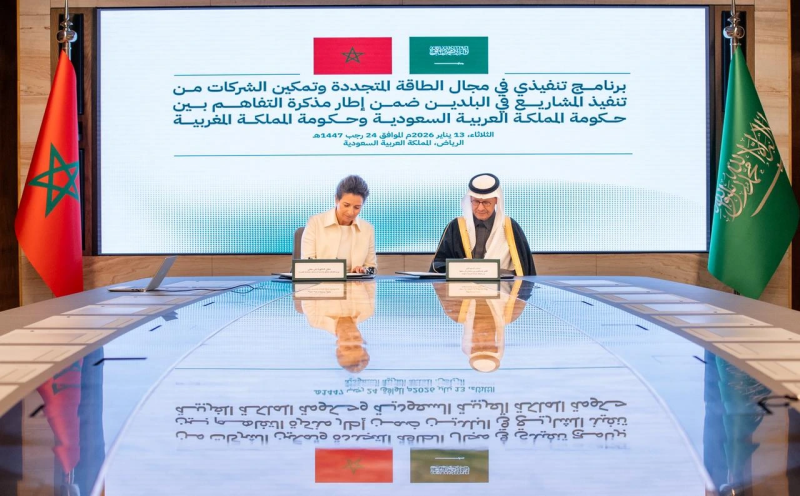

Saudi Arabia and Morocco have solidified their commitment to collaborative energy initiatives with the signing of an executive program focused on renewable energy. The agreement, formalized in Riyadh on [Date – infer from context, e.g., November 21, 2023], outlines a framework for increased investment and cooperation in developing sustainable energy solutions between the two nations. This builds upon a broader memorandum of understanding established in May 2022, signaling a deepening strategic partnership in the energy sector.
The program was signed by Saudi Energy Minister Prince Abdulaziz bin Salman and Morocco’s Minister of Energy Transition and Sustainable Development Leila Benali. It aims to facilitate joint projects and knowledge sharing, encompassing a wide range of technologies and applications within the renewable energy landscape. The move reflects both countries’ ambitions to diversify their energy sources and contribute to global climate goals.
Strengthening Bilateral Ties Through Renewable Energy Cooperation
The executive program represents a significant step in operationalizing the 2022 memorandum of understanding. According to statements released by both ministries, the initiative seeks to bolster investment in renewable energy projects not only within Saudi Arabia and Morocco, but also in other countries. This suggests a potential for collaborative ventures extending beyond their borders, potentially impacting energy markets in Africa and the Middle East.
Several key areas of collaboration are highlighted in the agreement. These include the development of renewable energy projects, focusing on technologies like solar and wind power, as well as advancements in energy storage systems. The program also prioritizes improving grid infrastructure to effectively integrate these intermittent energy sources.
Specific Areas of Focus
The scope of the cooperation extends beyond simply generating renewable energy. It encompasses a holistic approach to sustainable energy development, including:
Electricity transmission lines and power grid enhancement are crucial components, ensuring the reliable delivery of clean energy. The program also addresses the integration of renewable sources into existing infrastructure, a challenge many nations face as they transition to greener energy systems.
Furthermore, the initiative emphasizes the importance of research and development. The establishment and support of research centers will foster innovation in renewable energy technologies, potentially leading to breakthroughs in efficiency and cost-effectiveness. This also includes training and capacity building programs to ensure a skilled workforce capable of supporting the growing sector.
The application of renewable energy in broader development projects and infrastructure is another key objective. This could involve incorporating solar power into new construction projects or utilizing wind energy to power water desalination plants, addressing critical resource needs sustainably. The program aims to promote the use of clean energy across various sectors of the economy.
Morocco has already established itself as a regional leader in renewable energy, particularly in solar power. The Noor Ouarzazate Solar Power Station, one of the world’s largest concentrated solar power plants, demonstrates the country’s commitment and capabilities in this field. Saudi Arabia, meanwhile, is investing heavily in diversifying its energy mix as part of its Vision 2030 plan, with significant targets for renewable energy capacity.
This partnership is particularly noteworthy given the global push for energy transition and the increasing urgency to address climate change. Both Saudi Arabia and Morocco are signatories to the Paris Agreement and have pledged to reduce their carbon emissions. Increased collaboration in renewable energy will contribute to achieving these national goals and demonstrate leadership on the international stage.
The agreement also aligns with broader geopolitical trends. The development of regional energy partnerships can enhance energy security and reduce reliance on traditional fossil fuel sources. This is especially relevant in the context of fluctuating global energy prices and increasing concerns about supply chain vulnerabilities. The focus on energy efficiency, a related secondary keyword, further supports these goals by reducing overall energy demand.
However, the success of this program will depend on several factors. Securing adequate financing for large-scale renewable energy projects is a persistent challenge. Streamlining regulatory processes and fostering a favorable investment climate will also be crucial. Additionally, effective coordination between government agencies and private sector companies will be essential for successful implementation.
The program’s impact on energy markets, particularly in North Africa and the Middle East, remains to be seen. The extent to which these collaborative projects will attract further investment and stimulate innovation will be a key indicator of its effectiveness. The development of a regional renewable energy hub, leveraging the strengths of both countries, is a potential long-term outcome.
Looking ahead, the next step involves the formation of joint working groups to develop specific project proposals and timelines. The ministries have not yet announced a firm deadline for the implementation of the first projects under the executive program. Observers will be watching for concrete announcements regarding investment commitments and the launch of pilot projects in the coming months, as well as how the collaboration impacts the broader energy transition in both nations and the region. The integration of smart grid technologies, another related secondary keyword, will likely be a key area of development as the program progresses.