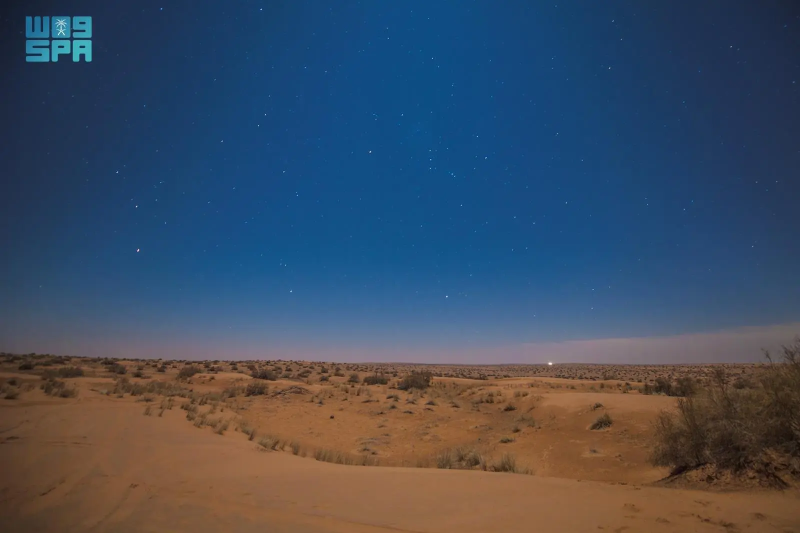

Arar, Saudi Arabia is currently experiencing Al-Shabat, the most intense period of winter in the region, following the end of the 40-day Al-Marbaniyah phase on January 15th. This shift marks a period of significantly colder temperatures and volatile weather conditions, impacting daily life and requiring preparedness for residents. The arrival of Al-Shabat, a crucial element of the traditional winter weather calendar, is determined by astronomical events, specifically the rising of the star Altair.
The transition to Al-Shabat was officially noted by the Arar Astronomy and Space Club, and is expected to last for 26 days. This period is characterized by a dramatic drop in temperatures, often accompanied by strong, freezing winds. Residents are bracing for conditions that historically pose challenges to both people and animals in the northern regions of the Kingdom.
Understanding the Severity of Al-Shabat and Saudi Arabia’s Winter
Saudi Arabia’s climate is predominantly arid, but experiences considerable seasonal variation, particularly in its northern areas like Arar. The country traditionally divides the winter season into distinct phases, each with its own characteristics. Al-Marbaniyah, the preceding period, is known for relatively calm conditions, serving as a prelude to the harsher realities of Al-Shabat.
Al-Shabat, often referred to as “Bard al-Batin” (the belly of cold), is distinguished by a penetrating chill that affects even those accustomed to cooler temperatures. This is due to the combination of low temperatures and increased wind activity, which strips away any residual warmth. The name reflects the deep, internal sensation of cold experienced during this time.
Historical and Cultural Significance
The impact of Al-Shabat extends beyond mere meteorological observations; it is deeply ingrained in the cultural heritage of the Bedouin people. Historically, this period demanded resilience and adaptation for survival in the harsh desert environment.
Traditional Arabic idioms vividly illustrate the severity of Al-Shabat. Phrases like “the season that makes the fox weep” and “the one that makes the camel’s nose bleed” are not literal descriptions, but rather metaphorical expressions of the extreme cold and its effects on wildlife. These sayings highlight the physical stress endured by animals during this time, and the importance of providing them with shelter and care.
Another historical reference is “Al-Aziraq” (the blue cold), a term used to describe the bluish discoloration of skin caused by frostbite. This underscores the potential dangers of exposure during Al-Shabat, even for those accustomed to the desert climate. The risk of hypothermia and related health issues is significantly elevated.
Current Weather Patterns and Regional Impact
While specific temperature readings vary daily, the general trend during Al-Shabat is a consistent decline, often reaching freezing levels or below in the northern regions. According to local weather reports, Arar and surrounding areas are currently experiencing daytime temperatures between 5°C and 10°C (41°F and 50°F), with nighttime lows potentially dropping below freezing.
The increased wind speeds associated with Al-Shabat contribute to a higher wind chill factor, making the perceived temperature even lower. This poses challenges for infrastructure, potentially leading to disruptions in transportation and power supply. Local authorities are monitoring conditions closely and preparing for potential emergencies.
The weather in Saudi Arabia is not uniform across the country. While the north experiences the full force of Al-Shabat, southern regions remain relatively mild. However, even these areas may experience cooler temperatures and increased rainfall compared to other times of the year. The Red Sea coast typically sees moderate temperatures and humidity.
The Ministry of Environment, Water and Agriculture has issued guidance to farmers and livestock owners, advising them to take precautionary measures to protect their animals and crops from the cold. These measures include providing adequate shelter, ensuring access to water, and supplementing animal feed with additional energy sources. Protecting agricultural output is a key concern during this period.
The impact of this cold snap also extends to public health. The Ministry of Health recommends that residents dress warmly, stay hydrated, and avoid prolonged exposure to the cold. Individuals with pre-existing health conditions, such as respiratory problems or heart disease, are advised to take extra precautions. Increased rates of seasonal illnesses are often observed during Al-Shabat.
Beyond the immediate impact on daily life, the winter season in Saudi Arabia plays a role in attracting tourism to certain regions. The mountains in the southwest, for example, experience cooler temperatures and occasional snowfall, drawing visitors seeking a respite from the heat. However, travel to northern regions during Al-Shabat may be discouraged due to the harsh conditions.
The Arar Astronomy and Space Club continues to monitor the celestial events that define these traditional weather periods. Their observations provide valuable insights into the timing and characteristics of Al-Shabat, helping residents prepare for the challenges it presents. Understanding these astronomical markers remains relevant even with advancements in modern forecasting.
As Al-Shabat progresses, continued monitoring of temperature fluctuations and wind patterns will be crucial. The end of the 26-day period is anticipated around February 4th, but the exact timing may vary slightly depending on astronomical observations. Residents should remain vigilant and heed any warnings issued by local authorities regarding potential weather hazards.