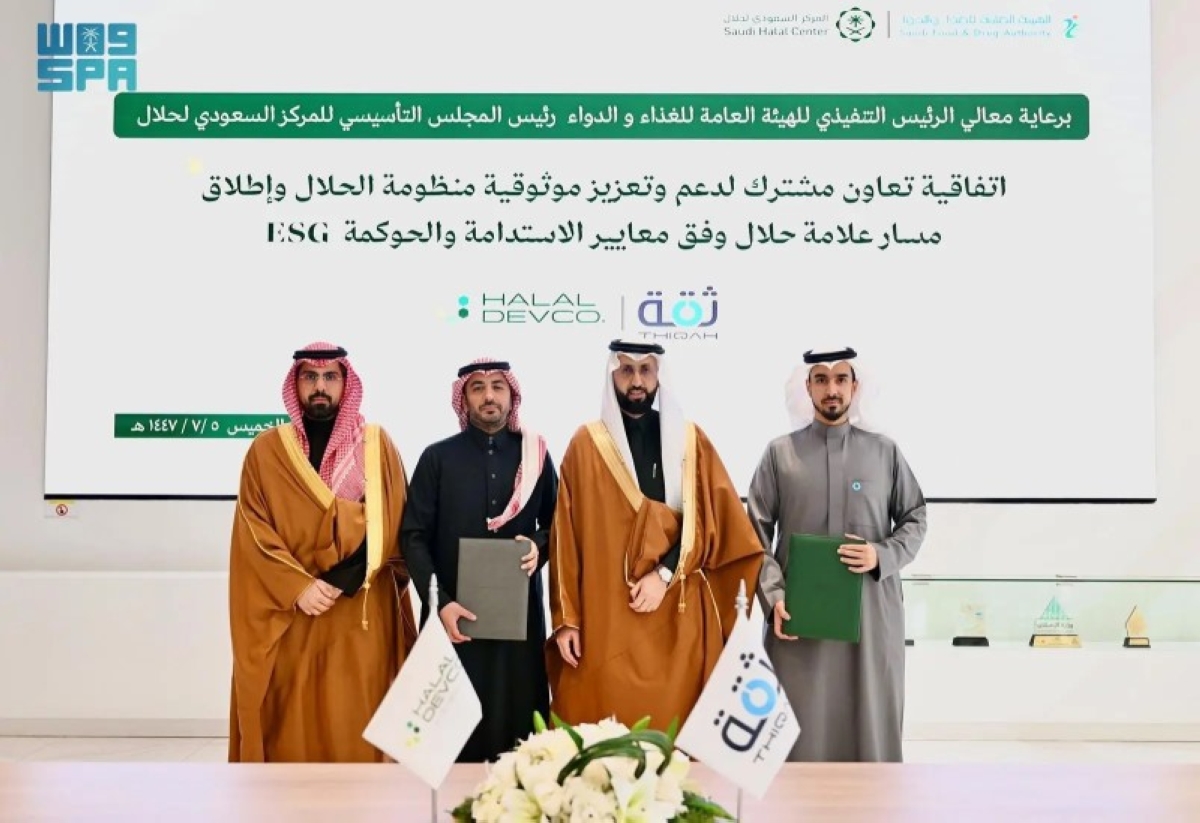

RIYADH — The Saudi Halal Center has introduced a new Halal Mark Track, integrating Environmental, Social, and Governance (ESG) standards into its certification process. This initiative, launched in partnership with the Halal Product Development Company and THIQAH, aims to bolster the credibility and sustainability of the Kingdom’s rapidly growing halal industry. The new track is expected to enhance the global competitiveness of Saudi halal products and services.
The announcement, made this week, signifies a major step towards aligning Saudi Arabia’s halal standards with international best practices in responsible business conduct. The Saudi Food and Drug Authority (SFDA) affiliate intends the program to attract investment and facilitate exports by demonstrating a commitment to ethical and sustainable production. The move comes as global demand for halal-certified goods continues to rise.
Strengthening the Halal Ecosystem with ESG Integration
The Halal Mark Track isn’t simply an add-on to existing certification; it represents a fundamental shift in how halal compliance is assessed. According to the Saudi Halal Center, the program combines the Kingdom’s established halal standards with rigorous ESG criteria. This holistic approach aims to provide consumers and businesses with greater assurance regarding the origin, production, and ethical implications of halal products.
What ESG Means for Halal Certification
ESG standards encompass a broad range of factors beyond traditional halal requirements. Environmental considerations include sustainable sourcing of ingredients, waste management, and carbon footprint reduction. Social aspects focus on fair labor practices, community engagement, and worker safety. Governance elements emphasize transparency, accountability, and ethical business conduct.
The integration of these standards is expected to appeal to increasingly conscious consumers who prioritize ethical and sustainable purchasing decisions. Additionally, it will likely meet the growing demands of international retailers and importers who are incorporating ESG criteria into their supply chain assessments. The move reflects a broader global trend towards responsible consumption and production.
The partnership between the Halal Product Development Company, owned by the Public Investment Fund, and THIQAH is crucial to the program’s success. This collaboration leverages the Halal Product Development Company’s expertise in halal product innovation and THIQAH’s capabilities in quality assurance and risk management. Together, they are building a robust ecosystem to support businesses in achieving and maintaining the new Halal Mark Track certification.
Boosting Competitiveness and Export Opportunities
Saudi Arabia has long been a significant player in the global halal market, driven by its large Muslim population and strategic location. However, the Kingdom aims to solidify its position as a central hub for the industry. The Halal Mark Track is intended to be a key enabler of this ambition.
By demonstrating a commitment to ESG principles, Saudi halal-certified products are expected to gain a competitive edge in international markets. This is particularly relevant in regions with stringent import regulations and a growing emphasis on sustainability. The program could also attract foreign investment into the Saudi halal sector.
The initiative also benefits domestic businesses by encouraging them to adopt more efficient and sustainable operational practices. This can lead to cost savings, improved brand reputation, and increased access to financing. The Saudi Halal Center anticipates that the program will stimulate innovation and growth within the local halal industry.
Meanwhile, the program’s emphasis on precise evaluation criteria and a trusted system aligns with international developments in halal certification. This standardization is expected to reduce barriers to trade and facilitate the acceptance of Saudi halal products globally. The SFDA has been working to harmonize its standards with those of other leading halal certification bodies.
Looking Ahead: Implementation and Expansion
The Saudi Halal Center has not yet announced a specific timeline for the full implementation of the Halal Mark Track. However, the initial phase will likely focus on establishing clear guidelines and training programs for businesses seeking certification. The center is expected to release detailed criteria for ESG compliance in the coming months.
The success of the program will depend on effective collaboration between the Saudi Halal Center, the Halal Product Development Company, THIQAH, and the broader halal industry. Monitoring the adoption rate among businesses and tracking the impact on export volumes will be crucial indicators of its effectiveness. Further developments regarding the program’s scope and international recognition will be closely watched by stakeholders in the global halal market.
The long-term implications of this initiative remain to be seen, but it represents a significant step towards a more sustainable and responsible halal industry. The integration of ESG standards is likely to become increasingly prevalent in halal certification globally, and Saudi Arabia is positioning itself as a leader in this evolving landscape.