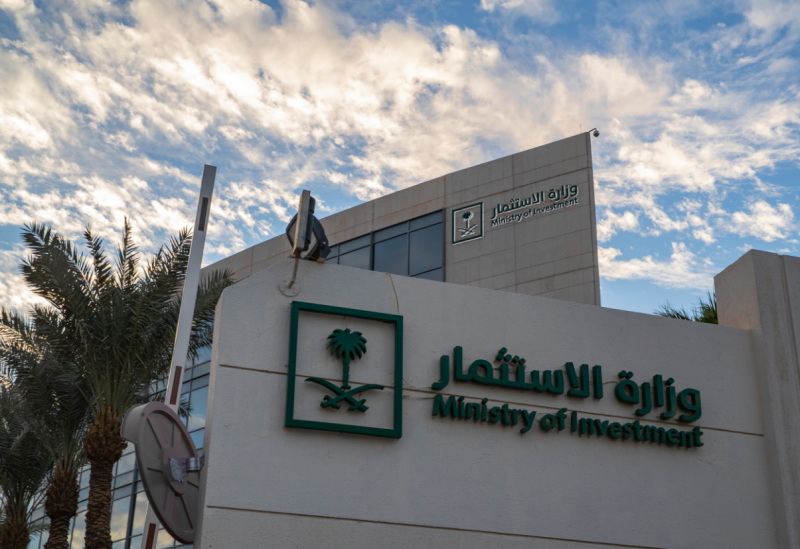

Saudi Arabia experienced a surge in investment activity during the third quarter of 2025, issuing 6,986 new licenses to foreign and domestic businesses. This represents an 83 percent increase compared to the same period in 2024 and marks the highest quarterly total ever recorded, according to data released by the Ministry of Investment. The substantial growth underscores the Kingdom’s ongoing efforts to diversify its economy and attract capital.
The license issuance figures, released this week, demonstrate a continuing upward trend throughout 2025. The ministry clarified that these numbers exclude licenses granted through the National Anti-Commercial Concealment Program (Tasattur), indicating the gains reflect genuine, broad-based investment rather than regularization efforts.
Record Investment Signals Economic Diversification
The latest data points to the success of Saudi Arabia’s Vision 2030 plan, a strategic framework aimed at reducing the nation’s reliance on oil revenue and fostering a more dynamic, private sector-led economy. Attracting foreign direct investment (FDI) is a key component of this vision, and the recent licensing numbers suggest significant progress. The Ministry of Investment attributes the growth to a stable regulatory environment and business-friendly reforms.
Sectoral Breakdown of Investment Growth
The construction sector led the way in Q3 2025, with 2,583 licenses issued – a dramatic 143 percent year-on-year increase. This suggests continued momentum in the Kingdom’s ambitious infrastructure projects, including the NEOM futuristic city development and various housing initiatives. Wholesale and retail trade followed closely with 1,214 licenses, a 234 percent jump, indicating growing consumer demand and opportunities for businesses in these areas.
Manufacturing also saw substantial gains, with 803 licenses representing a 34 percent increase. These three sectors collectively accounted for approximately two-thirds of all licenses issued during the quarter, highlighting their importance to the Saudi economic landscape. Additionally, the accommodation and food services sector experienced a more than doubling of licenses to 563, likely fueled by increased tourism.
The information and communications technology (ICT) sector also demonstrated strong performance, with a 52 percent increase to 517 licenses. This growth aligns with Saudi Arabia’s push to become a regional hub for technology and innovation. Transportation and storage saw a 69 percent increase, reaching 314 licenses, potentially linked to expanding trade and logistics networks.
However, not all sectors experienced growth. The Ministry of Investment data showed year-on-year declines in licenses issued for professional, educational and technical activities, agriculture, forestry and fishing, mining and quarrying, and other service activities. The reasons for these declines are not detailed in the report, but could be related to sector-specific challenges or shifts in investment priorities.
Long-Term Trends in Saudi Investment
The increase in investment licenses builds on a consistent upward trend observed in recent years. Quarterly licenses rose from 1,216 in Q1 2022 to 2,887 in Q4 2023, and then to 4,615 in Q4 2024. This momentum continued into 2025, with 4,617 licenses issued in the first quarter before accelerating to the record high in Q3.
The cumulative number of licenses issued in the first nine months of 2025 reached 15,728, already exceeding the full-year total of 14,320 licenses recorded in 2024. This suggests that 2025 will be a landmark year for investment in Saudi Arabia. The Kingdom is actively seeking to attract capital in diverse sectors, moving beyond its traditional reliance on hydrocarbons.
Experts suggest that the Kingdom’s strategic location, coupled with its ongoing reforms to improve the ease of doing business, are key factors driving this increased interest from investors. The government has also been actively promoting Saudi Arabia as a stable and attractive investment destination through international roadshows and partnerships. The focus on mega-projects like NEOM is also generating significant attention and attracting both domestic and foreign capital.
The growth in investment is expected to have a positive impact on job creation and economic diversification. The Ministry of Investment anticipates that the new licenses will contribute to the creation of thousands of jobs across various sectors. Furthermore, the diversification of the economy will make it less vulnerable to fluctuations in global oil prices.
Looking ahead, the Ministry of Investment is expected to release its full-year 2025 report in early 2026. Analysts will be closely watching for further details on sectoral trends, the origin of investment, and the overall contribution of FDI to the Saudi economy. The sustainability of this growth trajectory will also be a key area of focus, particularly in light of global economic uncertainties and geopolitical risks.
The continued success of Vision 2030 and the Kingdom’s ability to maintain a stable and attractive investment climate will be crucial for achieving its long-term economic goals. Monitoring the impact of recent reforms and the progress of mega-projects will provide valuable insights into the future of Saudi Arabia’s economic transformation.