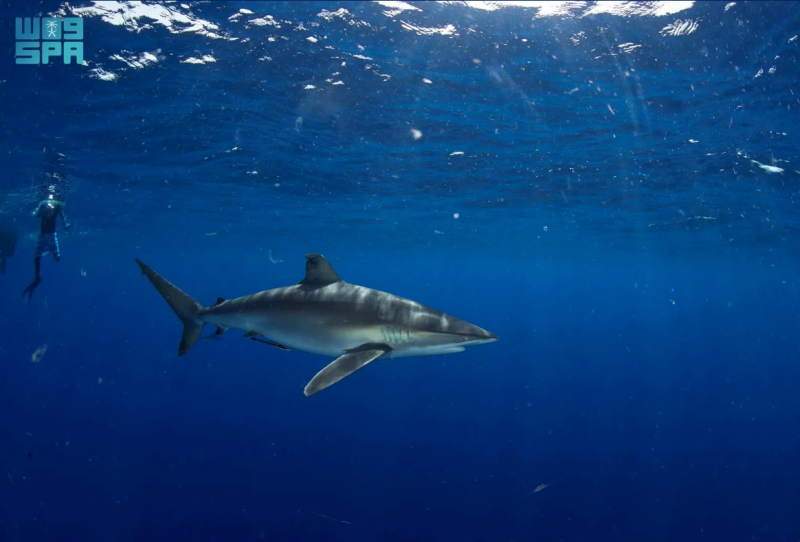

Saudi Arabia has issued its first license for shark cage diving, a move expected to boost responsible ecotourism and marine conservation efforts. The National Center for Wildlife (NCW) authorized the activity at the Ras Hatiba Reserve in partnership with the Saudi Water Sports and Diving Federation. This new permit allows for controlled underwater encounters with sharks, prioritizing both visitor experience and the preservation of the marine environment.
The license, announced this week, marks a significant step in developing sustainable tourism options within the Kingdom. Ras Hatiba Reserve, located in the Red Sea, is known for its rich biodiversity and is a critical habitat for several shark species. The initiative aims to provide a unique attraction while adhering to strict regulations designed to minimize environmental impact.
Expanding Ecotourism with Responsible Shark Cage Diving
The decision to permit shark cage diving stems from a growing global interest in marine wildlife tourism and Saudi Arabia’s broader Vision 2030 plan, which emphasizes diversification of the national economy. According to the NCW, the controlled nature of the activity is key to its approval. The focus is on observation, not interaction, and ensuring the sharks’ natural behaviors remain undisturbed.
Operational Guidelines and Safety Standards
The NCW and the Saudi Water Sports and Diving Federation are jointly responsible for enforcing stringent operational guidelines. These include requirements for diver certifications, detailed operational procedures for cage deployment and maintenance, and continuous monitoring of shark activity. The partnership will also oversee environmental impact assessments to ensure the long-term health of the Ras Hatiba Reserve.
Safety is paramount. All participating divers will be required to demonstrate appropriate training and experience. Operators will be mandated to adhere to strict safety protocols, including emergency response plans and equipment maintenance schedules. The NCW has indicated that regular inspections will be conducted to verify compliance.
However, the implementation of these guidelines will require ongoing monitoring and adaptation. The Red Sea ecosystem is dynamic, and understanding the long-term effects of even controlled tourism activities is crucial. The NCW has committed to ongoing research to assess the impact of shark cage diving on the local marine environment.
The Significance of Ras Hatiba Reserve
Ras Hatiba Reserve is a designated marine protected area, recognized for its exceptional biodiversity. It serves as a breeding ground and migratory route for various marine species, including several types of sharks. The reserve’s unique geological features and coral reefs contribute to its ecological importance.
The introduction of regulated shark cage diving is intended to raise awareness about the importance of marine conservation. By providing visitors with a firsthand experience of these magnificent creatures in their natural habitat, the NCW hopes to foster a greater appreciation for the Red Sea’s fragile ecosystem. This aligns with broader efforts to promote sustainable tourism practices throughout Saudi Arabia.
Additionally, the initiative is expected to create economic opportunities for local communities. The tourism sector is a key component of Vision 2030, and responsible ecotourism ventures like this can generate employment and revenue while protecting natural resources. The Saudi Water Sports and Diving Federation will play a role in ensuring that local businesses benefit from the increased tourism.
In contrast to unregulated or poorly managed shark tourism operations elsewhere, the Saudi approach emphasizes a science-based, precautionary principle. The NCW has consulted with marine biologists and conservation experts to develop the guidelines and monitoring protocols. This collaborative approach is intended to minimize potential risks and maximize the benefits of the activity.
The development of marine tourism in Saudi Arabia is also linked to broader investments in infrastructure and accessibility. Recent improvements to transportation networks and accommodations are making it easier for visitors to explore the Kingdom’s coastal regions. This includes increased accessibility to dive sites and marine reserves.
The success of the Ras Hatiba Reserve pilot program will likely influence future decisions regarding marine tourism in other parts of Saudi Arabia. The NCW is currently evaluating other potential locations for similar activities, with a focus on areas that can support responsible ecotourism without compromising environmental integrity. Marine conservation efforts are a key priority.
Meanwhile, the NCW is expected to publish a detailed report on the initial findings of the Ras Hatiba Reserve program within the next year. This report will assess the environmental impact of the shark cage diving activity, as well as its economic and social benefits. The findings will inform future policy decisions and guide the development of sustainable marine tourism practices across the Kingdom. Further expansion of permitted dive sites remains contingent on ongoing monitoring and assessment of ecological impacts.
The long-term sustainability of this initiative will depend on continued collaboration between the NCW, the Saudi Water Sports and Diving Federation, and local stakeholders. Ongoing research, adaptive management, and a commitment to responsible tourism practices will be essential to ensure that marine life and the Red Sea ecosystem are protected for future generations.