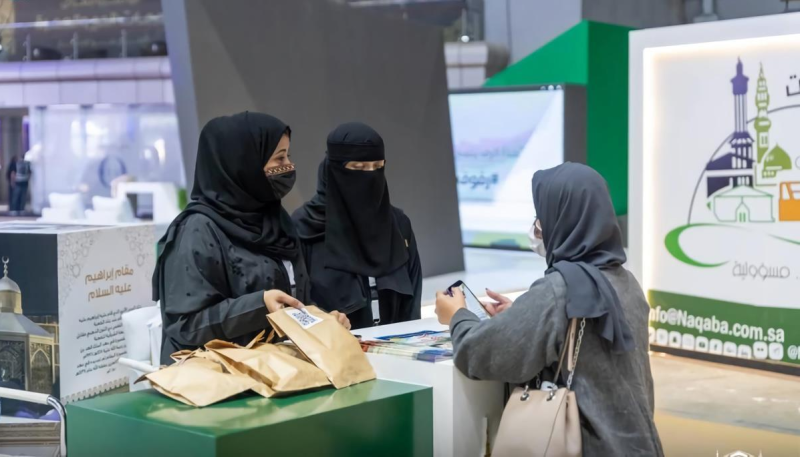

Saudi Arabia is reinforcing its commitment to women’s rights with ongoing legal reforms and support systems designed to combat abuse and enhance safety for women throughout the Kingdom. These efforts, highlighted as the world observes the International Day for the Elimination of Violence Against Women on November 25th, demonstrate a growing focus on protecting vulnerable populations and fostering a more equitable society. The initiatives include strengthened legislation, dedicated reporting channels, and comprehensive support services.
The recent advancements build upon a series of national reforms enacted over the past several years. According to official statements, key legislation includes the Law on Protection from Abuse and the Anti-Harassment Law, providing legal frameworks to address and prevent various forms of violence against women. These laws are being actively enforced alongside increased awareness campaigns and support networks.
Strengthening Legal Protections for Women’s Rights
The enactment of the Law on Protection from Abuse represents a significant step forward in codifying protections for women experiencing domestic violence and other forms of abuse. The law outlines specific offenses, establishes procedures for reporting and investigation, and provides for protective orders to ensure the safety of victims. Additionally, the Anti-Harassment Law addresses public harassment, including verbal and physical abuse, and aims to create a safer public space for all.
Reporting Mechanisms and Support Services
The Ministry of Human Resources and Social Development (MHRSD) plays a central role in receiving reports of abuse through the Family Protection Center. This centralized reporting system aims to streamline the process for victims seeking assistance and ensure a coordinated response from relevant authorities. The ministry also operates shelters offering safe haven and comprehensive support services.
These support services extend beyond immediate safety, encompassing psychological counseling, social work assistance, and legal guidance. The MHRSD stated that these resources are designed to empower women to rebuild their lives and navigate the legal system effectively. Access to these services is being promoted through public awareness campaigns and partnerships with community organizations.
However, challenges remain in ensuring that all women, particularly those in remote areas or marginalized communities, have equal access to these resources. The government is reportedly working to expand the reach of support services and address cultural barriers that may prevent women from seeking help.
A Broader National Effort
The focus on gender-based violence extends beyond legal and social support systems. The Saudi Human Rights Commission and the National Family Safety Program are actively involved in implementing training programs for law enforcement officials, healthcare professionals, and educators. These programs aim to improve the identification of abuse cases and enhance the quality of support provided to victims.
Awareness campaigns, utilizing various media platforms, are also crucial in challenging societal norms that perpetuate violence against women. These campaigns aim to encourage victims to report abuse and promote a culture of respect and equality. The message consistently emphasizes that protecting women is integral to protecting society as a whole.
In contrast to previous restrictions, Saudi Arabia has been steadily expanding opportunities for women in various sectors, including education, employment, and political participation. These broader empowerment initiatives are seen as complementary to efforts to combat violence, as economic independence and social inclusion can reduce women’s vulnerability to abuse. The Kingdom’s Vision 2030 plan explicitly includes goals related to increasing female workforce participation.
Meanwhile, the role of families, schools, and community institutions is being emphasized as vital in fostering a protective environment. The government is encouraging these entities to actively promote awareness of women’s rights and challenge harmful traditional practices. This holistic approach recognizes that addressing domestic violence requires a collective effort.
The international community has acknowledged Saudi Arabia’s recent progress, though concerns remain regarding the full implementation of legal reforms and the need for continued monitoring. Reports from human rights organizations indicate that while the legal framework is improving, challenges persist in ensuring consistent enforcement and addressing deeply ingrained societal attitudes.
Looking ahead, the MHRSD is expected to release a comprehensive report in early 2024 detailing the impact of the new legislation and outlining future plans for strengthening protections for women. The report will likely address ongoing challenges related to access to services, cultural barriers, and the need for continued training and awareness campaigns. Further developments in the enforcement of existing laws and potential amendments to address emerging issues will be key areas to watch in the coming months, as the Kingdom continues to navigate its evolving approach to women’s safety and human rights.
The effectiveness of these initiatives will depend on sustained commitment, adequate resources, and ongoing collaboration between government agencies, civil society organizations, and the broader community.