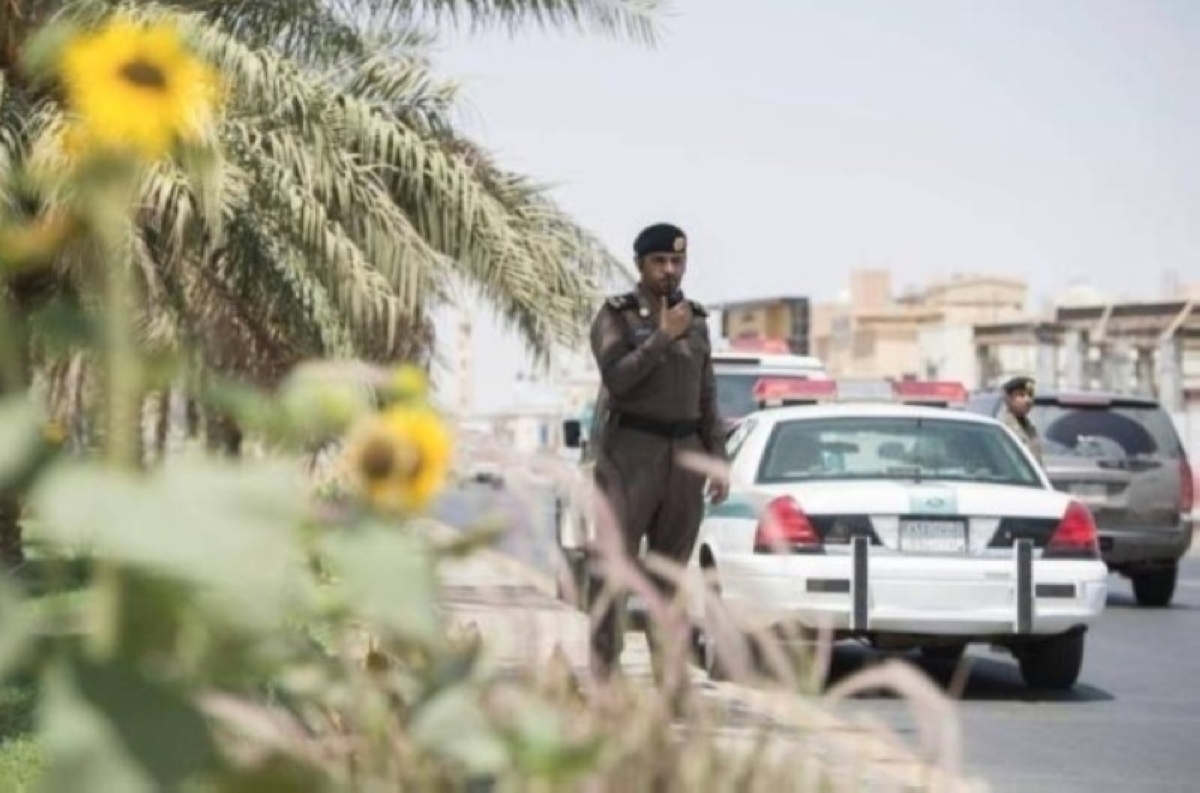

Saudi Arabia continues its efforts to enforce residency and border security regulations, recently announcing the arrest of over 18,000 illegal residents during a one-week period. The nationwide crackdown, conducted between December 18th and 24th, involved joint inspections by security forces and relevant government agencies. This action underscores the Kingdom’s commitment to maintaining control over its population and labor market.
The Ministry of Interior reported the arrests encompassed violations of residency laws, border security regulations, and labor laws. A significant number of those apprehended have already been deported or are in the process of arranging travel back to their home countries. The operation took place across all regions of Saudi Arabia, with a particular focus on border areas.
Recent Crackdown on Illegal Residents in Saudi Arabia
The arrests break down into 11,991 individuals violating the Residency Law, 3,808 violating the Border Security Law, and 3,078 violating the Labor Law, according to the Ministry of Interior. This indicates a broad effort to address multiple facets of irregular migration and employment. Furthermore, 13,241 individuals were deported, while procedures are underway for 20,378 others to obtain necessary travel documents through their respective diplomatic missions.
The Ministry also reported that 4,465 individuals are being assisted with completing their travel reservations. These measures aim to facilitate the orderly departure of those who have overstayed their visas or are otherwise residing in the country unlawfully. The scale of these numbers suggests a substantial population living outside of legal frameworks.
Border Security Focus
A notable aspect of the operation involved preventing unauthorized entry into the Kingdom. The report indicates that 1,312 people were arrested while attempting to cross the border. Yemeni and Ethiopian nationals comprised the vast majority of these attempts, representing 44% and 55% respectively, with a small percentage from other nationalities.
Additionally, 46 individuals were apprehended while attempting to illegally leave Saudi Arabia. This suggests efforts are also being made to combat human trafficking and smuggling operations. The focus on border security aligns with broader regional initiatives to manage migration flows.
Penalties for Facilitating Illegal Residency
Saudi authorities are not only targeting those residing illegally but also those who assist them. According to the Ministry of Interior, individuals found to be facilitating the illegal entry, transport, shelter, or employment of others face severe penalties. These include imprisonment for up to 15 years and fines reaching SR1 million (approximately $266,000 USD).
Moreover, the ministry stated that any vehicles used for transportation or properties used for shelter by illegal workers will be subject to confiscation. This stringent approach aims to deter individuals and businesses from profiting from unlawful activities related to foreign labor. The penalties are a clear signal of the Kingdom’s resolve.
The crackdown on visa overstays and illegal employment is part of a wider effort to regulate the labor market and ensure the rights of all workers. Saudi Arabia has been implementing reforms under its Vision 2030 plan, which includes increasing the employment of Saudi nationals and improving working conditions for expatriates. These reforms often necessitate stricter enforcement of existing regulations.
The Ministry of Interior has actively encouraged public participation in identifying and reporting violations. Citizens and residents are urged to report any suspected activity related to illegal residency by calling 911 in the regions of Makkah, Riyadh, and the Eastern Province, or 999 and 996 in other regions of the Kingdom. This reliance on public reporting highlights the collaborative nature of the enforcement effort.
Currently, 28,937 expatriates – 27,259 men and 1,678 women – are undergoing procedures to enforce legal measures. This includes verification of identities, documentation, and arrangements for deportation or regularization of their status where possible. The process is expected to be lengthy and complex, given the large number of individuals involved.
While the Ministry of Interior has not specified a timeline for future operations, it is expected that enforcement efforts will continue. The ongoing success of the Kingdom’s Vision 2030 plan, particularly its labor market reforms, is contingent on maintaining a secure and regulated environment for both citizens and expatriates. Further announcements regarding specific targets or timelines are anticipated in the coming months. The long-term impact of these measures on the Saudi economy and demographics remains to be seen.
The Ministry will likely continue to monitor border activity and collaborate with international partners to address the root causes of irregular migration. Additionally, the focus on penalizing those who facilitate illegal residency is expected to remain a key component of the enforcement strategy. It is crucial to observe whether these measures lead to a sustained reduction in the number of illegal residents or simply result in temporary displacements.