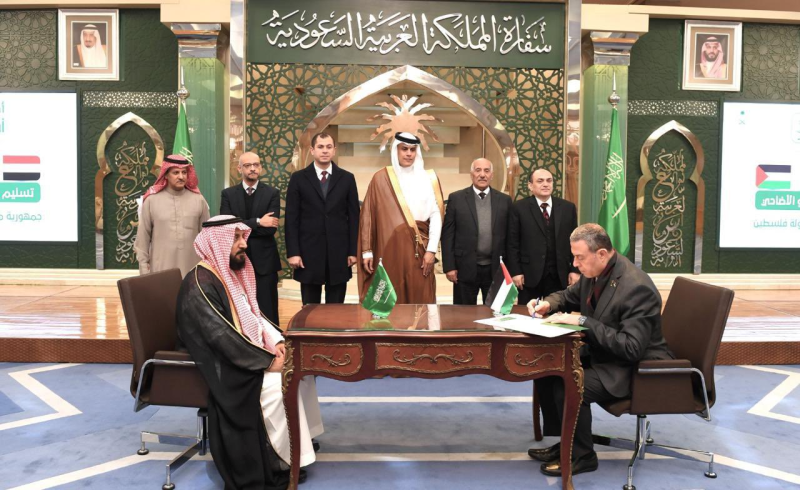

Saudi Arabia has recently distributed 30,000 shares of sacrificial meat to both Egypt and Palestine as part of its ongoing Hady and Adahi Utilization Project. The delivery, overseen by the Royal Commission for the City of Makkah and the Holy Sites, aims to provide assistance to eligible beneficiaries during and after the Islamic holiday of Eid al-Adha. The handover ceremonies took place at the Saudi Embassy in Cairo on [Date – infer from context, if possible, otherwise omit].
The distribution represents a continuation of Saudi Arabia’s long-standing commitment to supporting communities within the region and beyond. Representatives from Egypt and Palestine received the donations from Saudi officials, expressing gratitude for the Kingdom’s consistent aid. This initiative focuses on the responsible management and equitable distribution of animal sacrifices performed during the Hajj pilgrimage and Eid al-Adha.
The Hady and Adahi Utilization Project and Sacrificial Meat Distribution
The Hady and Adahi Utilization Project, established in 1983, is a comprehensive system designed to regulate the process of sacrificial animals – known as Hady and Adahi in Islamic tradition. These animals are sacrificed by pilgrims during the Hajj and by Muslims worldwide during Eid al-Adha. The project ensures adherence to health and safety standards throughout the process, from animal procurement to slaughter and distribution.
According to Saudi officials, the project’s primary goal is to maximize the benefit of these sacrifices by delivering the meat to those most in need. This includes vulnerable populations within Saudi Arabia and in numerous other Islamic countries. The program aims to provide a sustainable source of protein and contribute to food security in recipient communities.
Logistical Details and Beneficiary Selection
The distribution to Egypt and Palestine involved careful logistical planning to ensure the meat remained fresh and reached intended recipients efficiently. Saudi Arabia coordinates with local authorities in each country to identify and prioritize beneficiaries, focusing on families facing economic hardship and those affected by conflict or displacement. The 30,000 shares represent a significant contribution to local food programs.
The Royal Commission for the City of Makkah and the Holy Sites plays a crucial role in overseeing the entire operation, ensuring transparency and accountability. This includes monitoring the quality of the meat, tracking its distribution, and evaluating the impact of the program on beneficiary communities. The commission works with a network of partners, including charities and government agencies, to facilitate the delivery of aid.
This year’s distribution builds upon previous efforts. Saudi Arabia routinely provides sacrificial meat to countries facing humanitarian challenges, demonstrating its commitment to Islamic solidarity and global aid. The Kingdom has consistently increased the scope of the project over the years, expanding the number of beneficiary countries and the volume of meat distributed.
The Palestinian Ambassador to Egypt, Diab Al-Louh, publicly thanked King Salman bin Abdulaziz and Crown Prince Mohammed bin Salman for the ongoing support. He highlighted the importance of this annual contribution in alleviating food insecurity among the Palestinian people. Egypt’s representative similarly expressed appreciation for the Kingdom’s continued assistance to the Arab and Islamic worlds.
The practice of offering sacrificial animals is deeply rooted in Islamic tradition, commemorating the willingness of Prophet Ibrahim (Abraham) to sacrifice his son as an act of obedience to God. Eid al-Adha, the “Festival of Sacrifice,” is one of the most important holidays in the Islamic calendar, and the distribution of meat is a central component of the celebrations. This act of sharing is considered a way to express gratitude to God and to demonstrate compassion for others.
Beyond the immediate provision of food, the Hady and Adahi Utilization Project also contributes to the local economies of beneficiary countries. The procurement of animals and the logistics of distribution create employment opportunities and stimulate economic activity. Additionally, the program often supports local livestock farmers by providing a stable market for their products. The initiative also promotes animal welfare standards within the sacrificial process.
However, challenges remain in ensuring the efficient and equitable distribution of sacrificial meat, particularly in conflict zones or areas with limited infrastructure. Coordination with local authorities and aid organizations is essential to overcome these obstacles and reach those most in need. The ongoing political and economic instability in some recipient countries can also complicate distribution efforts.
The project’s success relies heavily on maintaining high standards of hygiene and food safety throughout the entire process. Saudi Arabia invests in modern slaughterhouses and transportation facilities to ensure the meat is handled properly and remains fit for consumption. Regular inspections and quality control measures are implemented to minimize the risk of contamination. The focus on food security is paramount.
Looking ahead, the Royal Commission for the City of Makkah and the Holy Sites is expected to continue refining the Hady and Adahi Utilization Project to enhance its effectiveness and reach. Future plans may include expanding the program to include additional beneficiary countries and exploring innovative ways to distribute the meat, such as through mobile food banks or community kitchens. The commission will likely assess the impact of this year’s distribution to inform future strategies and address any remaining challenges. The next major distribution is anticipated around the time of the next Eid al-Adha, with ongoing monitoring of beneficiary needs in the intervening months.
The long-term sustainability of the project and its ability to adapt to changing circumstances will be key factors to watch in the coming years. Continued collaboration with international organizations and local partners will be crucial to ensuring the program remains a vital source of support for vulnerable communities around the world.