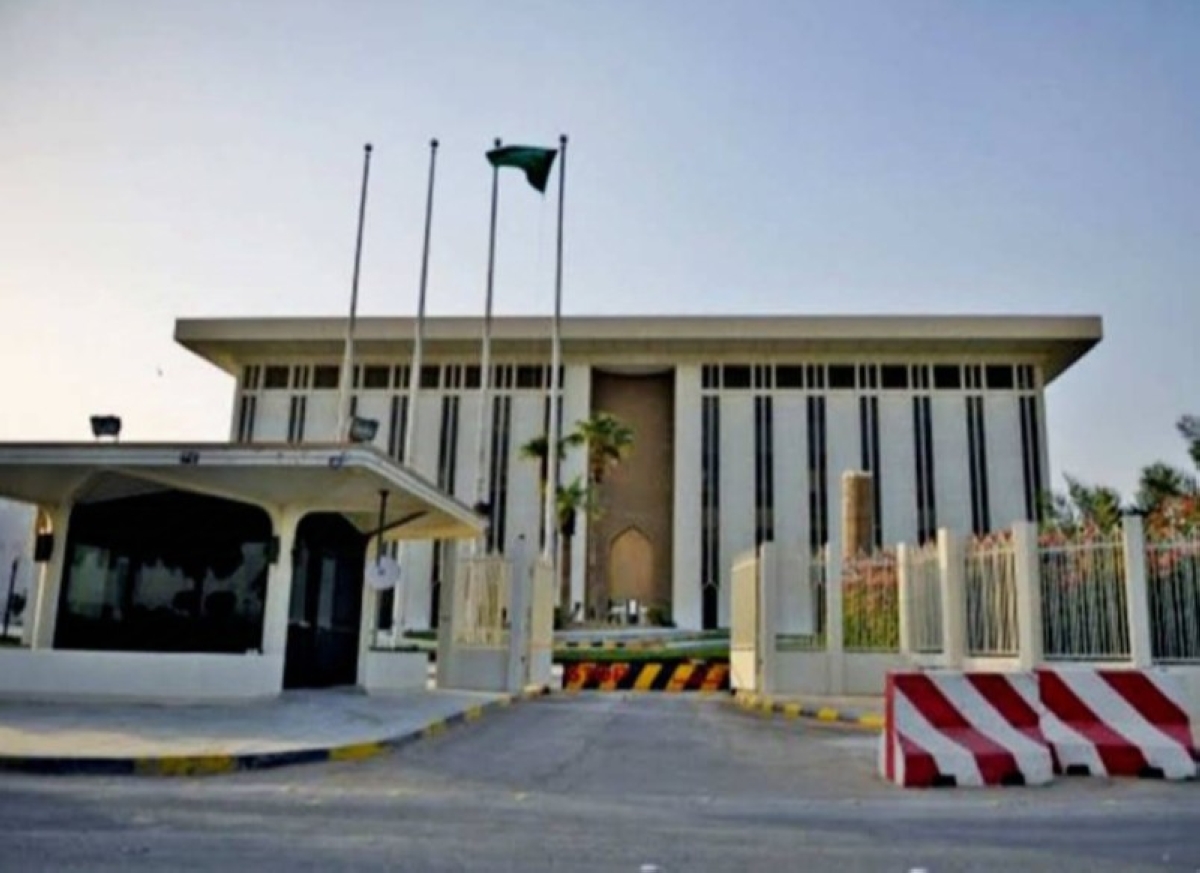

RIYADH — The Saudi Central Bank (SAMA) lowered its key interest rates by 25 basis points on Thursday, responding to recent monetary policy adjustments in the United States. The move, impacting both the repurchase agreement (repo) rate and the reverse repurchase agreement (reverse repo) rate, aims to maintain financial stability within the Kingdom. This decision follows a similar cut by the US Federal Reserve earlier in the week.
SAMA reduced the repo rate – the rate at which commercial banks borrow from the central bank – from 450 to 425 basis points. Simultaneously, the reverse repo rate, which determines the return banks receive for depositing funds with SAMA, was lowered from 400 to 375 basis points. The changes took effect immediately, according to a statement released by the central bank.
Understanding the Saudi Central Bank’s Interest Rate Decision
The Saudi Arabian monetary system is closely linked to the United States dollar, with the riyal pegged to the USD. Consequently, SAMA frequently adjusts its interest rates in alignment with the Federal Reserve’s policies. This practice helps maintain exchange rate stability and facilitates international trade. The Federal Reserve’s Wednesday decision to lower its benchmark rate by 25 basis points created an expectation for a similar response from SAMA.
The repo rate and reverse repo rate are crucial tools used by central banks to manage liquidity within the banking system. A lower repo rate encourages banks to borrow more from SAMA, increasing the money supply and potentially stimulating economic activity. Conversely, a lower reverse repo rate makes it less attractive for banks to deposit funds with SAMA, also contributing to increased liquidity.
The Context of Global Economic Developments
The US Federal Reserve cited concerns about global economic slowdown and muted inflation as reasons for its rate cut. According to the Federal Open Market Committee (FOMC) statement, the decision was intended to support continued economic expansion. These concerns are also relevant to the Saudi economy, which is influenced by global oil prices and international economic conditions.
However, the Saudi economy possesses unique characteristics. While oil revenue remains a significant driver, the Kingdom is actively pursuing diversification efforts under its Vision 2030 plan. This includes investments in non-oil sectors such as tourism, technology, and manufacturing. These diversification initiatives aim to reduce the economy’s reliance on oil price fluctuations.
Implications for the Saudi Economy and Financial Sector
The reduction in interest rates is expected to have several effects on the Saudi economy. Lower borrowing costs for banks could translate into lower lending rates for businesses and consumers, potentially encouraging investment and spending. This could provide a boost to sectors like real estate and consumer goods.
Additionally, the move may help to alleviate some of the pressure on businesses facing economic headwinds. Lower financing costs can improve profitability and encourage expansion. However, the impact on monetary policy will depend on how quickly and effectively banks pass on the rate cuts to their customers.
Meanwhile, the lower reverse repo rate could incentivize banks to seek alternative investment opportunities, potentially increasing lending to the private sector. This aligns with SAMA’s broader objective of supporting economic growth and diversification. The impact on Saudi Arabia’s financial sector will be closely monitored in the coming months.
In contrast, some analysts suggest that the rate cut may have a limited impact given the current levels of liquidity in the banking system. They argue that banks may already have ample funds available and may not significantly increase lending even with lower borrowing costs. The effectiveness of the rate cut will also depend on overall business confidence and investment sentiment.
The decision also comes amidst ongoing geopolitical tensions in the region, which could influence investor behavior and economic activity. These external factors add complexity to the assessment of the rate cut’s impact. The Kingdom’s economic resilience and its ability to navigate these challenges will be key.
The move by SAMA is consistent with a global trend towards looser monetary policy, as central banks around the world attempt to stimulate economic growth in the face of slowing global demand. This coordinated approach reflects the interconnectedness of the global financial system.
Looking ahead, SAMA will likely continue to monitor global economic developments and the Federal Reserve’s actions closely. Further adjustments to interest rates are possible depending on the evolving economic outlook. The next SAMA monetary policy meeting is expected to take place in the coming months, and market participants will be watching for any further signals regarding the central bank’s future intentions. Uncertainty surrounding global trade and geopolitical risks remain key factors to watch.