
Saudi Arabia has strongly condemned a recent terrorism attack in Syria that resulted in the deaths of U.S. service members and a civilian contractor, as well as injuries to Syrian and American personnel. The Ministry of Foreign Affairs expressed condolences to the families of the victims and both the Syrian and United States governments following the incident near Palmyra. This attack underscores the ongoing threat posed by extremist groups in the region.
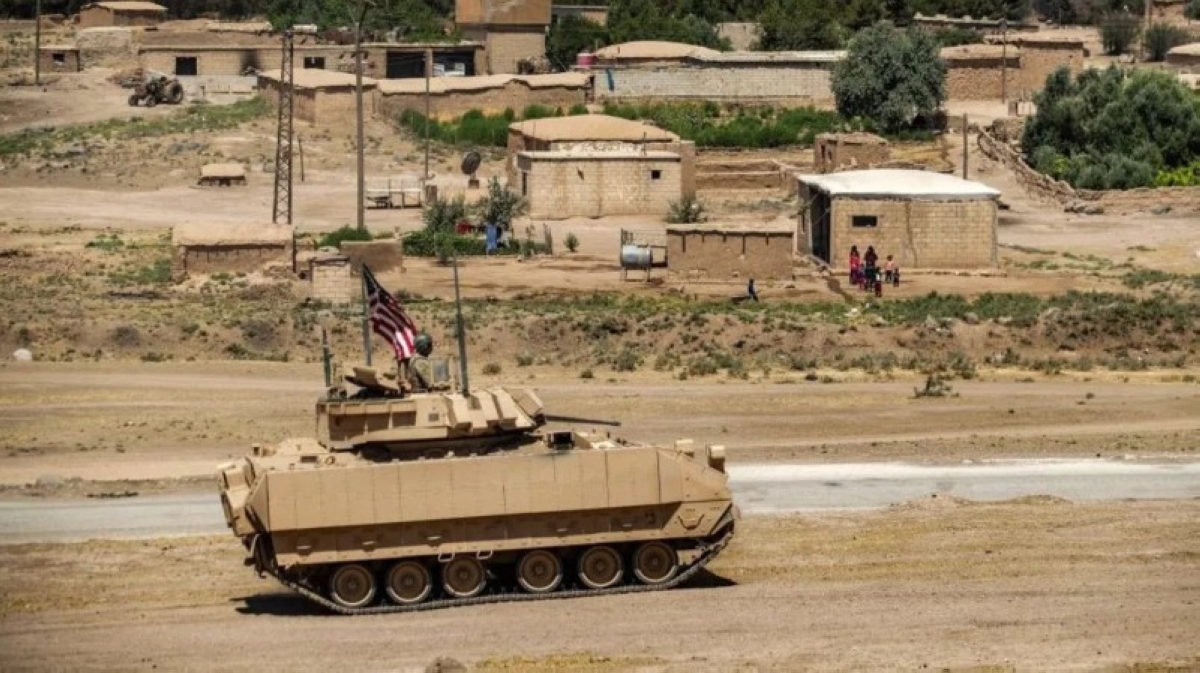
The attack occurred during a joint counterterrorism patrol conducted by Syrian Democratic Forces (SDF) and U.S. troops on Friday, March 3rd, near the historic city of Palmyra in eastern Syria. According to U.S. Central Command (Centcom), two U.S. soldiers and a U.S. civilian interpreter were killed in the ambush, with three other service members sustaining injuries. Syrian state news reported that two Syrian service personnel were also wounded during the engagement.
Condemnation of the Palmyra Terrorism Attack
The Saudi Ministry of Foreign Affairs released a statement emphasizing the Kingdom’s firm stance against all forms of terrorism and its support for regional stability. The ministry reiterated Saudi Arabia’s commitment to international efforts to combat extremist ideologies and maintain security. This condemnation aligns with Saudi Arabia’s broader counter-terrorism strategy, which includes collaboration with international partners.
Details of the Incident
Centcom reported that the attack was carried out by an Islamic State (IS) gunman. The assailant was reportedly engaged and killed by responding forces. The joint patrol was part of ongoing operations aimed at disrupting IS activities in Syria and preventing the group from regaining a foothold in the region. The area around Palmyra has seen sporadic IS activity despite the group’s territorial defeat in 2019.
U.S. President Donald Trump responded to the attack via social media, identifying it as an “ISIS attack” and promising “a very serious retaliation.” However, details regarding the nature and timing of any potential response have not yet been released. The White House has indicated that a thorough assessment of the situation is underway.
The incident highlights the continued presence of IS remnants in Syria and Iraq, despite significant military pressure from international coalitions and local forces. While IS no longer controls large swathes of territory, the group continues to conduct attacks, primarily targeting security forces and civilians. This persistent threat necessitates ongoing vigilance and counter-terrorism efforts.
Regional Implications and Counter-Terrorism Efforts
The attack near Palmyra raises concerns about the potential for a resurgence of IS activity in Syria, particularly amidst the ongoing political instability and humanitarian crisis. The Syrian civil war, which began in 2011, has created a permissive environment for extremist groups to operate and recruit fighters. The conflict has also drawn in regional and international actors, further complicating the security landscape.
Additionally, the involvement of U.S. forces in Syria remains a sensitive issue, with some critics questioning the legal basis and strategic rationale for the continued military presence. The U.S. maintains a contingent of troops in Syria primarily to support the SDF in their fight against IS and to prevent the group from reconstituting its capabilities. The recent attack is likely to fuel debate over the future of U.S. involvement in the country.
Meanwhile, the Syrian government, backed by Russia and Iran, has also been engaged in counter-terrorism operations against IS and other extremist groups. However, the Syrian government’s actions have often been criticized for indiscriminate targeting of civilians and a lack of adherence to international humanitarian law. The complex interplay of actors and interests in Syria makes it challenging to achieve a lasting resolution to the conflict and to effectively counter the threat of terrorism.
The United States has been conducting operations against IS in Syria and Iraq for several years, primarily through airstrikes and support for local partners. These efforts have significantly degraded IS’s military capabilities, but the group remains a threat, as evidenced by the recent attack. The U.S. continues to work with allies and partners to disrupt IS’s financing, recruitment, and propaganda networks. The focus is shifting towards a long-term strategy of containing and degrading the group, rather than seeking its complete eradication.
The incident also underscores the importance of intelligence sharing and coordinated security measures to prevent future attacks. Effective counter-terrorism requires a comprehensive approach that addresses not only the military aspects of the threat but also the underlying political, economic, and social factors that contribute to radicalization and extremism. Addressing these root causes is crucial for achieving a sustainable solution to the problem of terrorism.
Looking ahead, the U.S. is expected to announce further details regarding its response to the attack in the coming days. The nature of that response remains uncertain, but it could include additional military operations, increased intelligence gathering, or diplomatic pressure on regional actors. The situation in Syria remains volatile, and the threat of further attacks is considered high. Monitoring the evolving security dynamics and the responses of key stakeholders will be crucial in the weeks and months ahead. The long-term impact of this event on regional stability and counter-terrorism strategies remains to be seen.