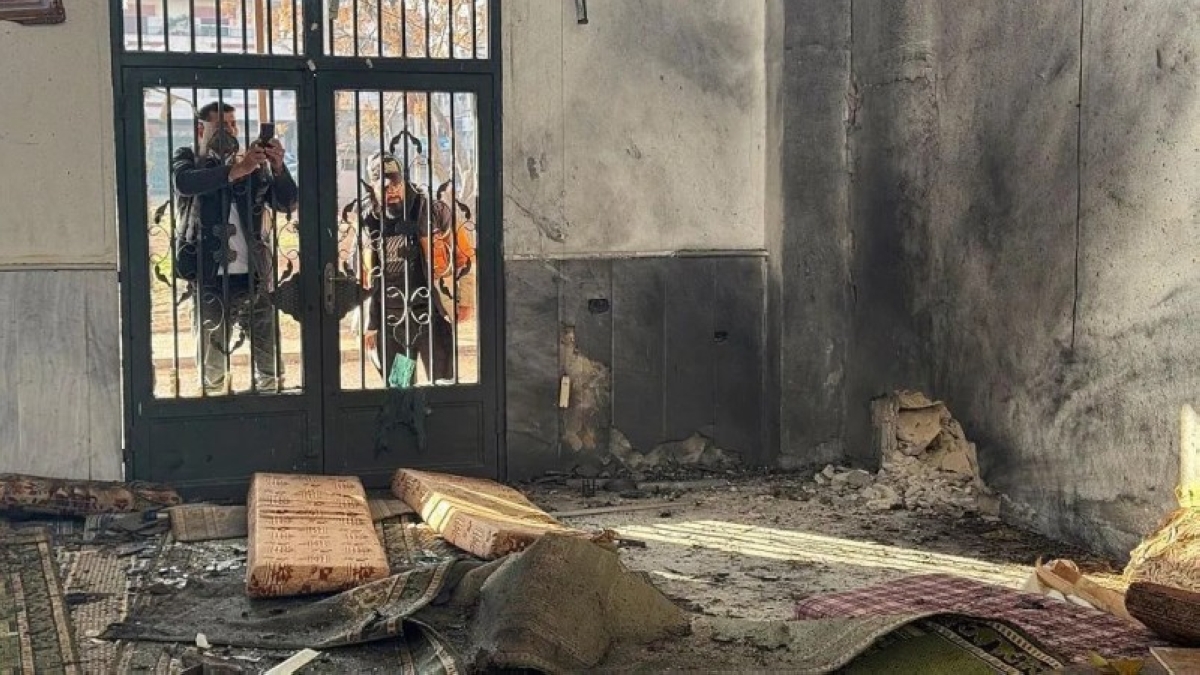

RIYADH – Saudi Arabia has strongly condemned a recent terrorist attack targeting the Imam Ali bin Abi Talib Mosque in Homs, Syria, during Friday prayers. The attack, which occurred on Friday, resulted in multiple deaths and injuries, prompting a swift response from the Saudi Ministry of Foreign Affairs. This terrorism in Syria underscores the ongoing instability in the region and the continued threat posed by extremist groups.
The Ministry stated its categorical rejection of all forms of terrorism and extremism, specifically denouncing attacks on places of worship and the deliberate targeting of innocent civilians. According to the Syrian health ministry, at least eight people were killed and 18 others injured in the explosion. Saudi Arabia has expressed solidarity with Syria following the incident and pledged support for the government’s efforts to restore security and stability.
Saudi Arabia Condemns Terrorism in Syria Following Mosque Attack
The condemnation from Riyadh reflects Saudi Arabia’s long-standing stance against terrorism, both domestically and internationally. The Kingdom has consistently advocated for a unified global effort to combat extremist ideologies and dismantle terrorist networks. This latest statement reaffirms that commitment in the face of continued violence in Syria.
The Imam Ali bin Abi Talib Mosque is a significant Shia place of worship in Homs, a city that has been heavily impacted by the Syrian Civil War. The choice of target suggests a potential sectarian motive, though investigations are ongoing to determine the specific perpetrators and their affiliations. The attack occurred during a time of heightened religious observance, maximizing the potential for casualties.
Context of the Syrian Conflict
Syria has been embroiled in civil war since 2011, initially sparked by protests against the government of President Bashar al-Assad. The conflict has since evolved into a complex multi-sided war involving various domestic and foreign actors. The rise of groups like ISIS and other extremist organizations has further complicated the situation, leading to widespread violence and displacement.
Homs, once a major urban center, has experienced significant destruction and population shifts throughout the war. While government forces have regained control of much of the city, sporadic attacks and security incidents continue to occur. The presence of various armed groups and the lingering effects of the conflict create a volatile environment.
The Saudi Ministry of Foreign Affairs extended its sincere condolences to the families of the victims and expressed sympathy to the Syrian government and people. They also wished a speedy recovery to those injured in the blast. This expression of support comes amidst a complex diplomatic landscape between Saudi Arabia and Syria, with relations having been strained for years.
However, recent months have seen a gradual warming of ties, including the resumption of diplomatic relations and increased economic engagement. Saudi Arabia’s condemnation of the attack and offer of support could be seen as a further step in normalizing relations with the Assad regime, while simultaneously reinforcing its anti-terrorism principles. This balancing act is a key feature of the Kingdom’s regional policy.
The incident also highlights the broader issue of security in Syria and the challenges facing the government in maintaining order. The Syrian government has repeatedly blamed “terrorist groups” for attacks targeting civilians and infrastructure. Independent verification of these claims is often difficult due to the ongoing conflict and limited access for international observers.
Meanwhile, international organizations have condemned the attack and called for increased efforts to protect civilians in Syria. The United Nations has repeatedly expressed concern over the deteriorating humanitarian situation in the country and the need for a comprehensive political solution. The attack on the mosque serves as a stark reminder of the human cost of the conflict.
The investigation into the Homs mosque bombing is expected to continue, with Syrian authorities likely to focus on identifying and apprehending those responsible. The involvement of external actors cannot be ruled out at this stage, and the investigation may extend beyond Syria’s borders. The outcome of the investigation will be crucial in understanding the motivations behind the attack and preventing future incidents.
In contrast to the condemnation from Saudi Arabia, responses from other regional and international actors have varied. Some countries have echoed Saudi Arabia’s strong denunciation of the terrorism, while others have offered more cautious statements. The differing responses reflect the complex geopolitical dynamics surrounding the Syrian conflict.
The attack also raises concerns about the potential for further escalation of violence in Syria, particularly in the lead-up to any potential political negotiations. Extremist groups may seek to undermine any peace efforts by carrying out attacks designed to destabilize the country and provoke a response from the government. The situation remains highly fluid and unpredictable.
Looking ahead, the focus will likely be on the Syrian government’s response to the attack and its efforts to enhance security measures at religious sites. The international community will also be watching closely to see whether the incident leads to any changes in the regional dynamics or the prospects for a political solution to the conflict. Further developments regarding the investigation and any potential diplomatic repercussions are expected in the coming weeks. The ongoing threat of terrorism remains a significant obstacle to lasting peace and stability in Syria and the wider region, and the Kingdom’s stance on terrorism will continue to be a key factor in regional security.
The broader implications of this attack on regional stability and the fight against terrorism will be closely monitored by international observers. The Syrian conflict continues to be a breeding ground for extremist groups, and the attack on the mosque underscores the need for a sustained and coordinated effort to address the root causes of the conflict and prevent the resurgence of terrorism.