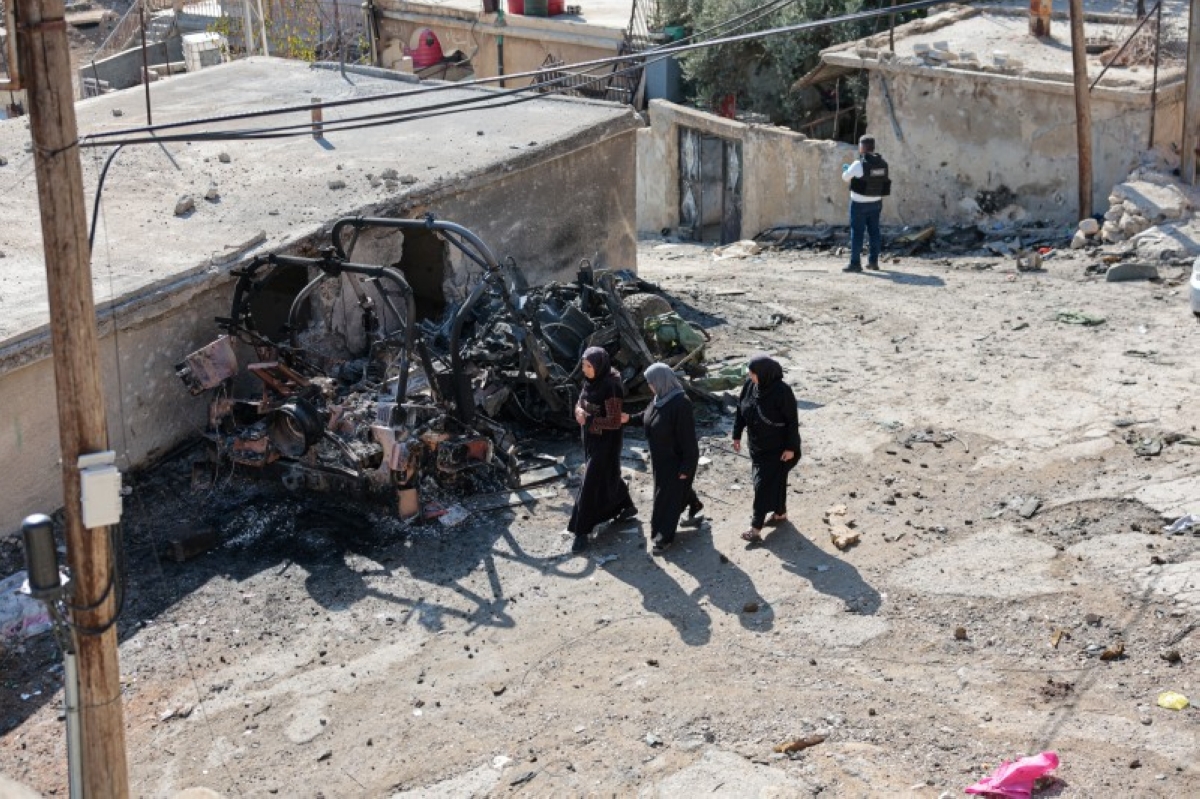

The Saudi Ministry of Foreign Affairs has issued a strong condemnation of recent Israeli military actions in Syria, specifically an attack on the town of Beit Jinn in the Damascus countryside. The ministry described the incident as a “blatant aggression” and reiterated Saudi Arabia’s firm stance against any infringement upon Syrian sovereignty. This condemnation underscores the Kingdom’s ongoing concerns regarding regional stability and the protection of civilian populations.
The statement, released on Friday, focused on the attack in Beit Jinn, a strategically located town near the Syrian-Lebanese border. According to the ministry, the actions by Israeli occupation forces represent a violation of international law and a threat to the security of Syria and its people. The Kingdom has called for international intervention to address the escalating tensions.
Saudi Arabia Condemns Violation of Syrian Sovereignty
The Saudi condemnation comes amid a pattern of reported Israeli strikes within Syria, often targeting what Israel claims are Iranian-backed militias and weapons shipments. However, these actions consistently draw criticism from Damascus and its allies, who view them as a breach of Syrian territorial integrity. The ministry’s statement explicitly rejects all such Israeli violations, emphasizing the importance of respecting Syria’s borders.
Regional Implications of the Attack
The incident in Beit Jinn raises concerns about the potential for further escalation in the region. The area has seen increased activity from various armed groups, and the involvement of external actors complicates the situation. Analysts suggest that continued Israeli strikes could provoke a stronger response from Syrian government forces or their allies, potentially leading to a wider conflict.
Additionally, the attack highlights the complex geopolitical dynamics at play in Syria. The ongoing civil war has created a power vacuum, allowing for the proliferation of non-state actors and increasing the risk of proxy conflicts. Saudi Arabia has historically supported certain opposition groups in Syria, while also engaging in diplomatic efforts to find a political solution to the conflict.
Call for International Action
The Saudi Ministry of Foreign Affairs specifically urged the international community, particularly the UN Security Council, to take decisive action to prevent further Israeli violations of Syrian territorial integrity. The ministry believes that a strong and unified response is necessary to uphold international law and maintain regional stability. This call echoes similar demands from Damascus and other countries critical of Israeli actions.
However, the UN Security Council has often been hampered by political divisions, particularly regarding the Israeli-Palestinian conflict and the situation in Syria. Reaching a consensus on a resolution condemning Israeli actions has proven difficult in the past. The effectiveness of the international response remains uncertain.
The statement also reaffirmed Saudi Arabia’s commitment to protecting civilians in border areas and supporting Syria’s unity. According to the ministry, the Kingdom prioritizes the well-being of the Syrian people and seeks a peaceful resolution to the ongoing conflict. This commitment aligns with Saudi Arabia’s broader foreign policy objectives of promoting stability and security in the region.
Meanwhile, the Kingdom continues to provide humanitarian aid to Syrian refugees and internally displaced persons. This assistance reflects Saudi Arabia’s dedication to alleviating the suffering of those affected by the war. The ongoing humanitarian crisis in Syria remains a major concern for the international community.
The Saudi statement also referenced the importance of implementing relevant international resolutions pertaining to the Syrian conflict. These resolutions, passed by the UN Security Council, call for a ceasefire, a political transition, and accountability for war crimes. The Kingdom believes that adherence to these resolutions is crucial for achieving a lasting peace in Syria. The issue of regional security is paramount.
In contrast to some other regional actors, Saudi Arabia has been engaged in a cautious dialogue with the Syrian government in recent months, signaling a potential shift in its approach to the conflict. This engagement is seen as an attempt to facilitate a political solution and address Saudi Arabia’s concerns regarding Iranian influence in Syria. The Kingdom’s position on the conflict remains nuanced and evolving.
Looking ahead, the international community will be closely watching for any further escalation in Syria. The UN Security Council is expected to discuss the situation in the coming days, but the prospects for a meaningful resolution remain unclear. The continued Israeli strikes and the complex geopolitical dynamics in the region suggest that the situation is likely to remain volatile. Further developments regarding the enforcement of Syrian national sovereignty will be key to watch. The next steps will likely depend on the response from Damascus and the broader international reaction to the recent attack.