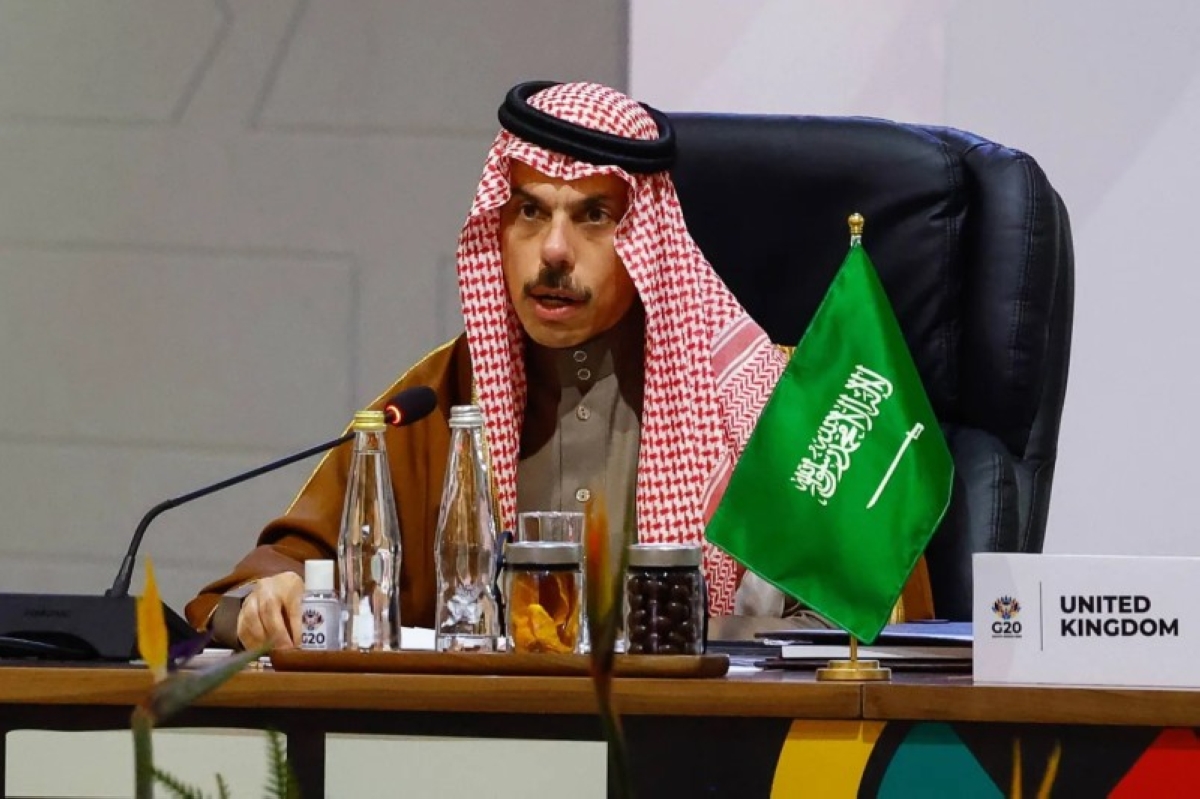

Johannesburg, South Africa – Saudi Arabia has emphasized the critical need for strengthened international cooperation to navigate pressing global economic challenges during the G20 Leaders’ Summit. Prince Faisal bin Farhan, the Saudi Foreign Minister, underscored the Kingdom’s commitment to a sustainable and integrated global economy, advocating for coordinated efforts to address issues like debt, food security, and climate change. The summit, hosted by South Africa, focuses on bolstering multilateralism in a period of increasing global instability and economic uncertainty.
The G20 Summit, inaugurated by South African President Cyril Ramaphosa on Saturday, brought together leaders from the world’s 20 major economies to discuss solutions to shared problems. Prince Faisal led the Saudi delegation, which also included Minister of Finance Mohammed Al-Jadaan and Deputy Minister of Finance Abdulmohsen Al-Khalaf, representing Crown Prince and Prime Minister Mohammed bin Salman. Discussions centered on stabilizing the global economy and ensuring access to essential resources.
Saudi Arabia Advocates for Coordinated Global Economic Policy
Prince Faisal’s address highlighted the interconnected nature of current global challenges. He stated that issues such as rising debt levels in vulnerable nations, disruptions to food and energy supplies, the accelerating impacts of climate change, and the rapid pace of digital transformation all require a unified and comprehensive response. The Saudi delegation stressed the importance of balancing economic growth with environmental sustainability.
According to the Saudi Ministry of Foreign Affairs, the Kingdom is actively developing frameworks to encourage responsible investment in key sectors. These include tourism, technology, and sustainable infrastructure, alongside initiatives to promote sustainable manufacturing practices. This approach aims to leverage local resources and attract high-quality investments aligned with long-term development goals.
Focus on Sustainable Development Goals
A central theme of the Saudi contribution to the summit was the alignment of G20 efforts with the United Nations’ 2030 Sustainable Development Goals (SDGs). Prince Faisal argued that prioritizing these goals is essential for achieving inclusive and balanced economic growth. This growth, he emphasized, must improve the well-being of all people while also preserving resources for future generations.
The minister also addressed the issue of illicit financial flows, identifying it as a significant impediment to economic stability and sustainable development. He called for increased international cooperation to enhance countries’ capacity to manage their resources effectively and build more transparent and resilient financial systems. This includes sharing expertise and best practices in financial regulation and oversight.
However, the challenges are complex and exacerbated by existing geopolitical tensions. The surge in global inequality and ongoing economic turmoil were cited as factors demanding genuine international solidarity and a shared sense of responsibility. Addressing these issues requires a move beyond national interests towards collaborative solutions.
Additionally, Prince Faisal underscored the G20’s pivotal role in leading international efforts to coordinate economic policies. He advocated for policies that enable sustainable investments and foster industrial and economic development, ultimately supporting stability and prosperity for all nations. Special attention was given to protecting the most vulnerable countries from the potential repercussions of financial and economic crises.
The summit’s discussions on food security were particularly relevant given ongoing conflicts and climate-related disruptions to agricultural production. Saudi Arabia has been increasing its own investments in agricultural technology and diversification to enhance its own resilience and contribute to regional stability. The Kingdom also supports international initiatives aimed at improving food distribution and reducing waste.
Meanwhile, the issue of climate change and the transition to cleaner energy sources also featured prominently. Saudi Arabia has pledged significant investments in renewable energy projects as part of its Vision 2030 plan, and the delegation emphasized the need for a pragmatic and inclusive approach to decarbonization that considers the energy needs of all countries. The Kingdom advocates for technologies like carbon capture and storage as crucial components of a sustainable energy future.
In contrast to some calls for increased protectionism, the Saudi delegation consistently promoted the benefits of open trade and investment. They argued that a rules-based international trading system is essential for fostering economic growth and reducing poverty. However, they also acknowledged the need to address legitimate concerns about fair competition and the potential negative impacts of globalization.
The G20 Leaders’ Summit concluded with a commitment to continued dialogue and collaboration. A detailed communique outlining specific actions and timelines is expected to be released in the coming days. The effectiveness of these commitments will depend on the willingness of member states to translate words into concrete policies and investments.
Looking ahead, the success of the G20’s agenda will be closely monitored, particularly in light of ongoing geopolitical uncertainties and the potential for further economic shocks. The next steps involve national implementation of agreed-upon policies and continued engagement through various G20 working groups. Observers will be watching to see how effectively the G20 can address the challenges to the global economy and promote a more sustainable and equitable future for all.
The focus will also be on how the G20 addresses the growing debt vulnerabilities in developing countries and facilitates access to financing for climate adaptation and mitigation efforts. Further summits and ministerial meetings are scheduled throughout the year to track progress and address emerging issues.