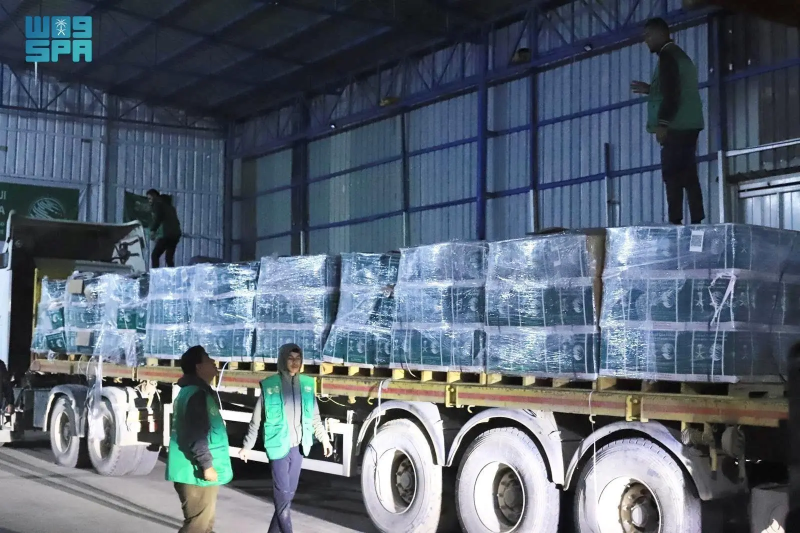

Saudi Arabia is leading international efforts to provide humanitarian aid to Gaza, with the King Salman Humanitarian Aid and Relief Center (KSrelief) launching a donation campaign through the Sahem Platform. This initiative aims to address the increasingly urgent needs of Palestinian civilians affected by the ongoing conflict. The call for donations comes amid a substantial, pre-existing aid commitment from the Kingdom.
The campaign, announced this week, seeks to gather financial support for essential supplies like food, medicine, and shelter for families in the Gaza Strip. Contributions will be overseen by KSrelief to ensure direct and effective delivery of assistance. Saudi Arabia has already established both an air and sea bridge dedicated to relief efforts.
Saudi Arabia Scales Up Humanitarian Aid to Gaza
The KSrelief initiative represents a significant escalation of pre-existing Saudi Arabian support for Palestinians. While the Kingdom has historically provided substantial assistance, the current situation has prompted a focused and intensified response directed specifically to the Gaza Strip. This build-up in aid comes following directives from King Salman and Crown Prince Mohammed bin Salman to prioritize the alleviation of suffering.
Donation Methods and Transparency
Individuals and organizations wishing to contribute can utilize several methods. The primary channel is the Sahem Platform, accessible at https://sahem.ksrelief.org/ar/Pages/ProgramDetails/1ca8852b-9e6d-ee11-b83f-005056ac5498. Direct bank transfers are also possible, using the Al Rajhi Bank IBAN: SA5580000504608018899998.
KSrelief emphasizes accountability and transparency in the distribution of funds. The Sahem platform is designed to facilitate secure online donations and provide updates on the progress of relief programs. Potential donors may want to understand the structure of KSrelief, a key player in Saudi Arabia’s foreign aid framework.
Existing Aid Delivery Progress
To date, the Kingdom has deployed 77 airplanes and eight ships carrying over 7,699 tons of vital supplies. This includes crucial food provisions, urgently needed medical resources, and materials for establishing temporary shelter. These efforts prioritize immediate needs, seeking to stabilize the situation for displaced populations.
Additionally, 912 Saudi relief trucks have entered the Gaza Strip. These trucks are transporting a diverse range of aid, from basic foodstuffs to complex medical equipment and hygiene products. The logistical challenges of delivering emergency assistance into a conflict zone are substantial, and Saudi Arabia is coordinating with international partners to overcome them.
The Broader Context of Regional Aid
Saudi Arabia’s increased contributions position it as a leading provider of Gaza relief efforts. Several other nations and humanitarian organizations are also actively involved in delivering aid to the region, but the scale of the Kingdom’s commitment, through both financial contributions and logistical support, stands out. According to the United Nations Relief and Works Agency for Palestine Refugees in the Near East (UNRWA), the need for aid remains critically high.
However, aid delivery faces significant obstacles, including security concerns and the challenges of navigating a damaged infrastructure. The ongoing conflict severely restricts access to affected areas, hindering the ability of aid workers to reach those most in need. The international community continues to call for safe and unimpeded humanitarian access.
Impact of the Conflict on Palestinian Civilians
The current conflict has resulted in a widespread humanitarian crisis, displacing hundreds of thousands of Palestinians and causing extensive damage to homes and essential infrastructure. The report indicates a severe shortage of basic necessities, including food, water, medicine, and electricity. The impact is particularly severe on vulnerable populations, such as children, the elderly, and those with pre-existing medical conditions.
The healthcare system within the Gaza Strip is reportedly overwhelmed and struggling to cope with the influx of casualties. Medical supplies are dwindling, and many hospitals are operating at or near capacity. The situation is further complicated by the disruption of essential services, such as sanitation and waste management.
The situation is being closely monitored by international organizations, who are providing ongoing assessments of the evolving needs. These assessments inform the allocation of resources and the prioritization of aid delivery efforts. Effective coordination among aid agencies is crucial to avoid duplication and ensure that assistance reaches those who need it most.
The Sahem platform and other donation channels will remain open to receive contributions as the situation unfolds. KSrelief is continuing to assess needs on the ground and adjust its response accordingly. The long-term implications of the conflict for the Palestinian people and the stability of the region remain uncertain.
Looking ahead, further donations will be crucial to sustain the relief effort in the coming weeks and months. The focus will likely shift from immediate emergency response to supporting longer-term recovery and reconstruction initiatives. A potential resolution to the conflict, and the subsequent establishment of secure and sustainable aid delivery mechanisms, will be key determinants of the future situation in Gaza.