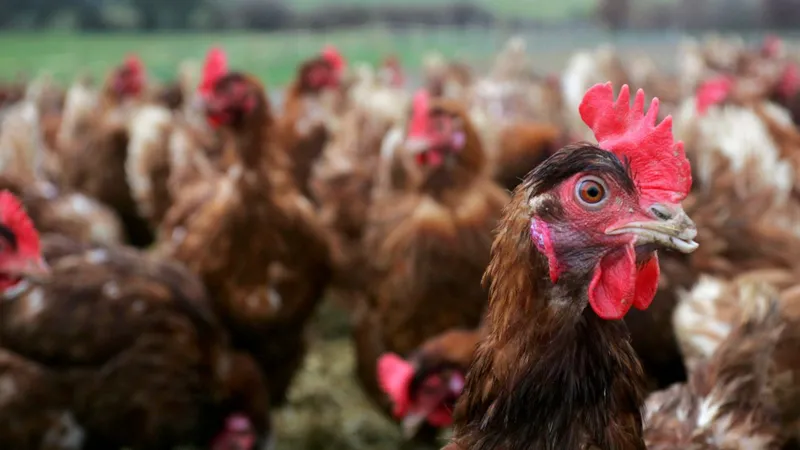

The Saudi Food and Drug Authority (SFDA) has announced a temporary prohibition on the import of poultry and table eggs originating from France and Poland. This measure, effective immediately, stems from recent outbreaks of highly pathogenic avian influenza (HPAI) and Newcastle disease (ND) detected in several regions of both European countries. The SFDA cited an urgent notification from the World Organization for Animal Health (OIE) as the basis for their decision.
The import ban applies specifically to live birds, along with all types of poultry meat and table eggs that haven’t been sufficiently heat-treated to eliminate the viruses. This impacts both commercial and individual imports of these products from France and Poland, aiming to prevent the potential introduction of these animal diseases into Saudi Arabia. The SFDA emphasizes the importance of maintaining biosecurity measures to protect public health and the national livestock population.
Saudi Arabia Restricts Poultry Imports Due to European Disease Outbreaks
The decision to ban poultry is a precautionary step taken by the SFDA to safeguard the Kingdom’s animal resources and protect consumers. Both France and Poland have been experiencing ongoing and significant outbreaks of HPAI and ND since January 2026, leading to control measures like mass culling of affected flocks. These outbreaks pose a substantial risk to international trade and animal health.
Understanding the Risks: Avian Influenza and Newcastle Disease
Highly pathogenic avian influenza, commonly known as bird flu, is a highly contagious viral infection that can affect various bird species, including domestic poultry. It can cause severe illness and high mortality rates in birds, and while rare, it has the potential for transmission to humans. Newcastle disease, another viral infection impacting birds, is also characterized by rapid spread and severe consequences for poultry farmers.
The SFDA clarified that products undergo adequate heat treatment will be exempt from the ban. This treatment must meet stringent health requirements and standards established by the authority. Furthermore, all permitted shipments must be accompanied by a valid health certificate issued by officially recognized veterinary authorities in France and Poland.
According to the OIE, the outbreaks in France are concentrated in several southwestern departments, with transmission occurring both between wild bird populations and through contact with contaminated surfaces. Poland, meanwhile, has reported widespread HPAI occurrences across multiple regions, impacting both commercial and backyard poultry farms. These reports have prompted rapid responses from European authorities.
This is not the first time Saudi Arabia has implemented temporary import restrictions on poultry products due to disease outbreaks. The Kingdom regularly reviews and adjusts its import policies based on global animal health reports and the evolving risk landscape. This proactive approach helps minimize the introduction of diseases that could devastate the local poultry industry.
The implications of this ban extend beyond the immediate availability of French and Polish poultry in the Saudi market. Importers will need to quickly re-source supplies from alternative countries, potentially leading to temporary price fluctuations or shortages. However, the Saudi Arabian Ministry of Environment, Water and Agriculture has previously indicated sufficient capacity among existing approved import sources to cover demand should disruptions occur.
While the restrictions specifically target poultry and table eggs, the import of other animal products from France and Poland is currently unaffected. The SFDA continuously monitors the situation regarding other potential animal health risks and will take necessary action should they arise. The authority has a robust surveillance system in place to detect and respond to any animal disease threats within the Kingdom.
The specific requirements for acceptable heat treatment are detailed in SFDA regulations and published on their official website. Importers are responsible for ensuring full compliance with these standards before attempting to ship goods to Saudi Arabia. Regular audits and inspections are conducted by the SFDA to verify adherence to import protocols and health certificates.
The ban’s duration is indefinite at this stage, contingent on the evolution of the situation in France and Poland. The SFDA has stated they will lift the restrictions once the OIE confirms that the outbreaks have been fully contained and eradicated, and provides assurances regarding the safety of poultry products from these regions. This will likely involve a period of monitoring and verification following the cessation of outbreaks.
Looking ahead, the SFDA will continue to closely monitor reports from international animal health organizations, including the OIE and the World Health Organization (WHO). The length of the ban will depend on the ongoing efficacy of control measures in France and Poland as well as updated assessments of the disease situation. Importers and consumers should expect further announcements from the SFDA as the situation evolves, particularly regarding any revised import regulations or the potential for lifting the current restrictions. Free trade of agricultural products also depends on continued monitoring of World Organisation for Animal Health updates.
The Kingdom’s response highlights the importance of international cooperation in tackling animal diseases, and the need for swift and decisive action to protect both animal health and public safety, including the control of poultry diseases abroad.