
Saudi Arabia is rapidly solidifying its position as a global investment destination, recently announcing significant progress in attracting major international banks and updating its national investment strategy. Investment Minister Khalid Al-Falih stated the Kingdom has successfully drawn 20 of the world’s top 30 banks, signaling confidence in the Saudi economy and banking sector. This development is a key component of the nation’s ambitious Vision 2030 plan, aiming for economic diversification and growth.
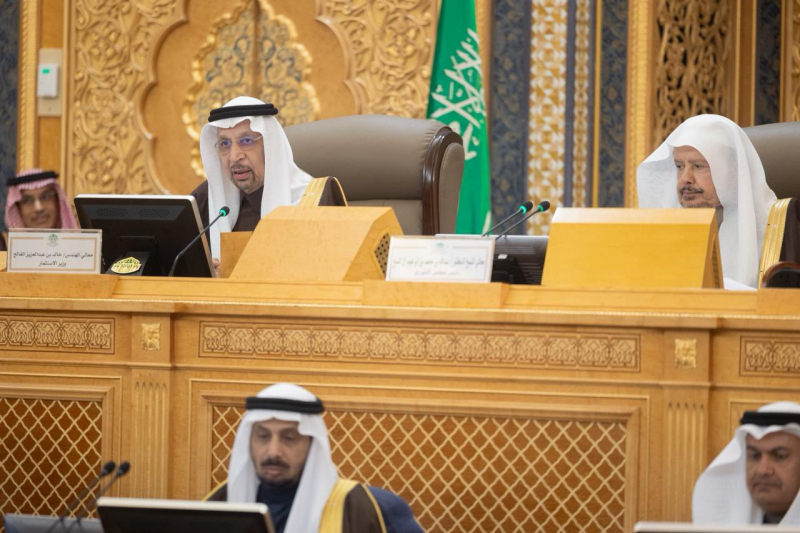
Speaking at a Shoura Council session, Al-Falih detailed the country’s achievements, noting an expansion of active investment licenses and a focus on attracting investment into high-impact sectors. The announcements come as Saudi Arabia continues its efforts to transform its economy and reduce its reliance on oil revenue.
Boosting Foreign Investment in Saudi Arabia
The influx of leading global banks is seen as a vote of confidence in Saudi Arabia’s financial stability and regulatory framework. According to Al-Falih, the move will bolster the Kingdom’s banking sector and provide crucial support for its broader economic ambitions. This success is partially attributed to recent legislative reforms designed to enhance business competitiveness.
Regulatory Improvements and Competitiveness
Recent updates to key laws, including the Civil Transactions Law, the Companies Law, and the Investment Law (issued in mid-2024), have been instrumental in improving Saudi Arabia’s global competitiveness ranking. The ministry reported a 15-place increase in these rankings, suggesting these reforms are being recognized internationally. These changes aim to streamline processes and foster a more transparent and predictable investment climate.
The updated National Investment Strategy, scheduled for full implementation in 2025, emphasizes “quality and productivity,” directing investment toward sectors that offer the greatest economic returns. Specifically, the strategy identifies over 2,000 investment opportunities currently valued at more than SR1 trillion. This focused approach distinguishes the Kingdom’s strategy from simply attracting large volumes of investment, prioritizing projects with lasting economic benefit.
The “Invest Saudi” platform has played a key role in connecting investors with these opportunities, resulting in 346 closed deals worth over SR231 billion. This platform serves as a central hub for information and facilitates interaction between potential investors and relevant government agencies.
Addressing concerns about protecting local investors, Al-Falih assured the Shoura Council that they remain a priority. The ministry aims to enhance investment efficiency and competitiveness for all, recognizing the importance of a level playing field. This focus on inclusivity is intended to ensure that Saudi businesses can benefit from the increased foreign investment.
Furthermore, the ministry actively promotes regional investment events in collaboration with chambers of commerce and regional development authorities. These events are designed to highlight the unique opportunities available in different parts of the country and leverage their specific competitive advantages. This decentralized approach to investment attraction aims to spur economic growth across all regions of Saudi Arabia.
Local content development and the localization of foreign private-sector activity are also considered essential to sustainable growth. Al-Falih pointed to Saudi Aramco’s success as a model, echoing the country’s long-term emphasis on building domestic capabilities and fostering internationally competitive national companies. This aligns with broader efforts to create a skilled workforce and reduce reliance on foreign expertise.
The education sector is receiving particular attention, identified as a crucial area for investment in developing Saudi talent. The ministry recognizes that a highly skilled workforce is fundamental to achieving Vision 2030’s goals of economic diversification and sustainable development. This aligns with increasing investment in human capital development programs throughout the kingdom.
Competitive neutrality is being assured through the implementation of the Investment Law, which enshrines principles of reciprocity and equal treatment. This commitment, along with coordination between various national entities, is bolstering investor confidence, according to the ministry. This initiative aims to remove barriers to entry and ensure fair competition for all participants in the Saudi market. Regional development is also key to this overall strategy.
Looking ahead, the Ministry of Investment will continue to refine the National Investment Strategy, aiming to maintain competitiveness in a rapidly changing global landscape. The success of the Regional Headquarters Program, which has already surpassed its 2030 target, suggests continued momentum in attracting foreign companies. Monitoring the implementation of the updated Investment Law and tracking the number of closed deals facilitated by the “Invest Saudi” platform will be crucial indicators of future success.