
Saudi Arabia is poised to welcome 122 million tourists by 2030, a significant increase from current levels, according to recent reports from the Ministry of Tourism. This ambitious goal reflects the Kingdom’s ongoing efforts to diversify its economy away from oil and establish itself as a major global tourism destination. The initiative is central to the Saudi Vision 2030 plan, aiming to attract both domestic and international travelers.
The projected surge in tourism represents a substantial leap for the nation, currently experiencing a growing influx of visitors driven by new attractions and relaxed visa regulations. The Kingdom is investing heavily in infrastructure and hospitality projects to accommodate this anticipated growth. This expansion is expected to contribute significantly to the country’s GDP and create numerous employment opportunities.
Boosting Saudi Arabia’s Tourism Sector
The push for increased tourism is a key component of Saudi Arabia’s Vision 2030, a strategic framework designed to reduce the nation’s reliance on oil revenues. Diversification is seen as crucial for long-term economic stability and sustainable growth. The plan recognizes the potential of the tourism sector to generate revenue, create jobs, and promote cultural exchange.
Key Investment Areas
Significant investment is being directed towards several key areas to support the growth of the tourism industry. These include:
- New Tourism Destinations: Projects like NEOM, a futuristic city planned in the northwest, and the Red Sea Project, a luxury tourism development, are designed to attract high-end travelers.
- Infrastructure Development: Expansion of airports, roads, and public transportation systems are underway to improve accessibility for tourists.
- Hospitality Sector: Numerous hotels, resorts, and entertainment facilities are being constructed to meet the anticipated demand.
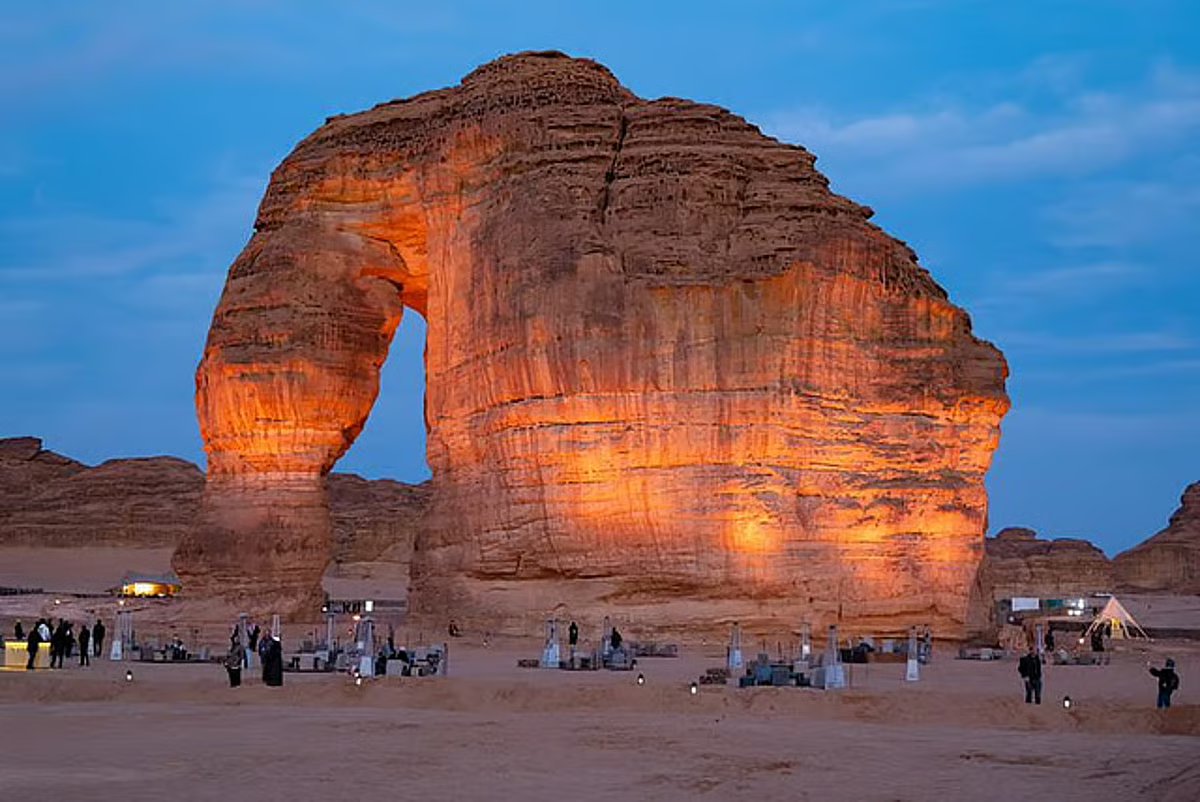
Additionally, the Kingdom is focusing on developing cultural and heritage tourism, highlighting its rich history and traditions. Restoration projects are underway at historical sites, and new museums and cultural centers are being established. This aims to appeal to travelers interested in experiencing the authentic Saudi Arabian culture.
Recent changes to visa regulations have also played a crucial role in attracting more visitors. The introduction of e-visas and tourist visas for citizens of many countries has simplified the travel process. According to the Ministry of Tourism, visa issuance has increased substantially since these changes were implemented. This ease of access is a major factor in the projected growth of international arrivals.
Impact of Mega-Projects
The large-scale “giga-projects” are expected to be major drivers of tourism growth. The Red Sea Project, for example, aims to create a sustainable tourism destination with luxury resorts and pristine beaches. NEOM, with its focus on innovation and technology, is designed to attract a different segment of travelers interested in futuristic experiences.
However, the success of these projects depends on several factors, including timely completion and attracting sufficient investment. The environmental impact of these developments is also under scrutiny, with developers emphasizing their commitment to sustainability. The report indicates that environmental considerations are being integrated into the planning and construction phases.
Meanwhile, Saudi Arabia is actively promoting its diverse offerings to international markets. Marketing campaigns are targeting key regions, highlighting the country’s cultural attractions, natural beauty, and adventure tourism opportunities. The Saudi Tourism Authority is working with travel agencies and tour operators to create attractive packages for potential visitors. This proactive marketing strategy is designed to raise awareness and generate interest in Saudi Arabia as a travel destination.
In contrast to its previous image, Saudi Arabia is actively working to present itself as a welcoming and modern destination. Social reforms, such as easing restrictions on women and allowing entertainment events, are intended to appeal to a wider range of travelers. These changes are part of a broader effort to transform the country’s image and attract a more diverse visitor base. The Kingdom is also investing in training programs to develop a skilled workforce for the hospitality sector.
The development of religious tourism remains a significant component of the overall strategy. Millions of Muslims visit Saudi Arabia each year for Hajj and Umrah pilgrimages. The government is investing in infrastructure improvements to enhance the experience for pilgrims and accommodate the growing number of visitors. This includes expanding the capacity of the Grand Mosque in Mecca and improving transportation facilities.
Related to this, the Kingdom is also focusing on developing its domestic tourism market. Promoting staycations and encouraging Saudis to explore their own country is seen as a way to boost the local economy and create jobs. The Ministry of Tourism is launching campaigns to highlight the country’s diverse regions and attractions. This strategy aims to reduce reliance on international visitors and build a more resilient tourism sector.
The growth in tourism is also expected to have a positive impact on related industries, such as aviation, hospitality, and retail. Increased demand for air travel will likely lead to expansion of airline routes and capacity. The hospitality sector will benefit from higher occupancy rates and increased revenue. Retail businesses will see increased sales as tourists spend money on goods and services. The overall economic benefits are expected to be substantial.
Looking ahead, the Ministry of Tourism is expected to release a detailed progress report on the implementation of Vision 2030’s tourism goals by the end of 2024. The report will likely outline key achievements, challenges, and future plans. Monitoring the progress of the giga-projects and the impact of visa reforms will be crucial in assessing the Kingdom’s ability to achieve its ambitious tourism targets. The global economic climate and geopolitical factors will also play a role in shaping the future of Saudi Arabia’s tourism industry.