


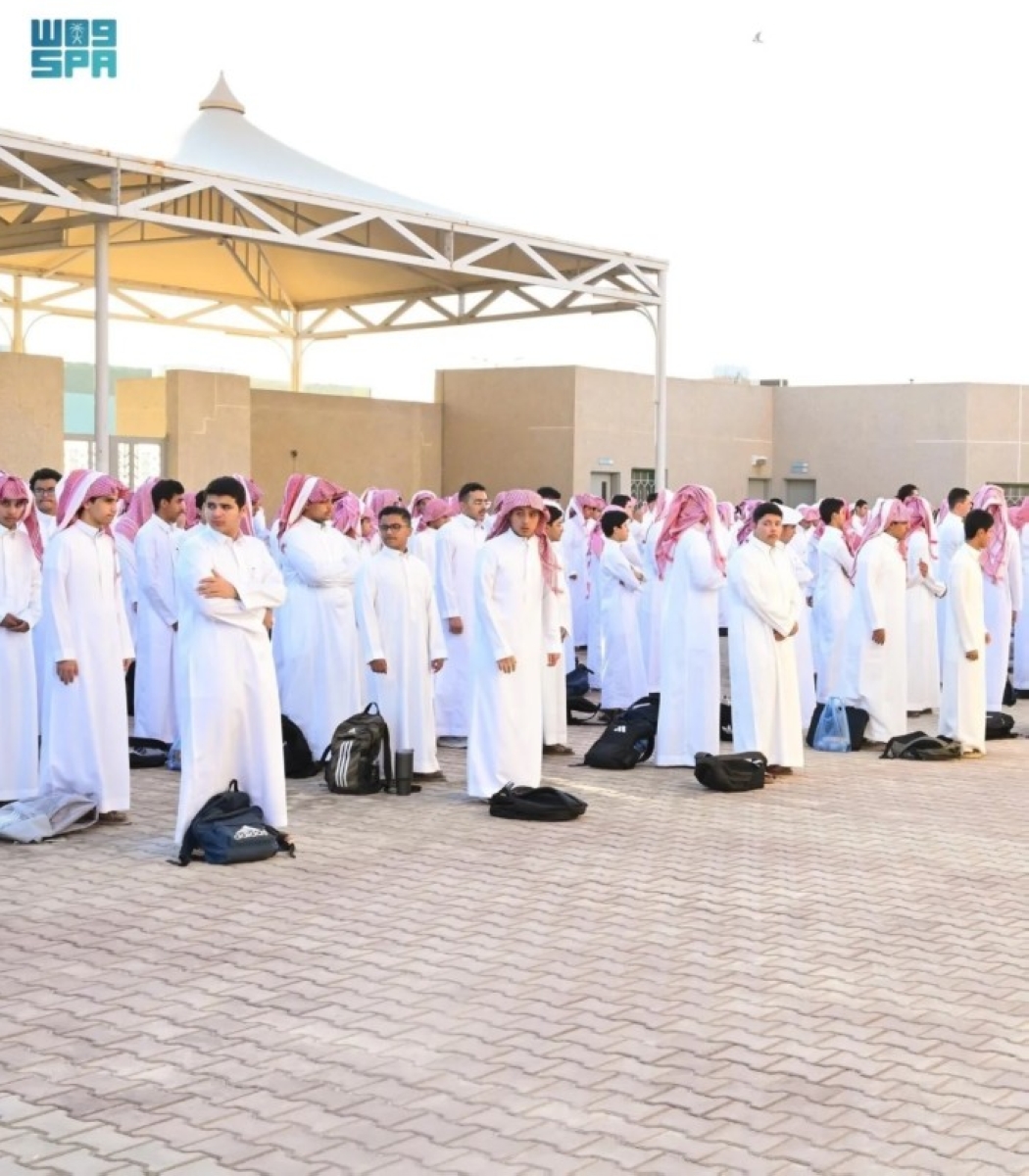

RIYADH – Saudi Arabia’s Ministry of Municipalities and Housing has announced new regulations governing the construction and operation of private schools, including a significant allowance for on-campus student housing. The updated municipal requirements, released this week, aim to improve the quality of educational environments and standardize safety protocols across the Kingdom. These changes impact nurseries, kindergartens, schools, and educational complexes operating in the private sector.
The new rules apply to educational facilities built on land specifically designated for educational purposes, those leased from the government, and even buildings constructed on commercially zoned land. According to the ministry, the regulations are designed to optimize land use and ensure a secure and integrated learning experience for students. The full set of requirements is available on the ministry’s website.
Enhanced Regulations for Saudi Arabian Schools
The move comes as Saudi Arabia continues to invest in its education system as part of its Vision 2030 plan, which prioritizes human capital development. These updated guidelines are a direct response to the rapid growth of private education and a desire to ensure consistent standards nationwide. The Ministry emphasized that existing facilities will undergo assessments to determine compliance with the new rules, while future construction must adhere from the outset.
A notable addition is permission for private schools to construct separate residential buildings on campus for students. This accommodation must be distinctly separate from the primary teaching facilities, a measure likely intended to address safety and operational concerns. The ministry did not specify which educational levels would be eligible for on-campus housing.
Site and Planning Considerations
The new requirements outline specific stipulations regarding the location and layout of educational buildings. Schools must be situated on properties bordering at least two streets, with one of those streets being a minimum of 25 meters in width. The number of floors permitted will also be capped by existing building codes, and mandatory setbacks from property lines must be maintained.
However, nurseries are given some flexibility, with the option to be located on a single street as long as it’s at least 15 meters wide, provided they are housed in a standalone structure. This acknowledges the generally smaller scale and different operational needs of early childhood education facilities.
Additionally, the regulations address land allocation per student. This varies depending on the region and the educational stage. The minimum requirement is four square meters per student in kindergarten, gradually increasing to five square meters in educational complexes. This tiered approach aims to align space availability with student density, improving the learning experience.
Safety and Building Standards
Beyond location and space, the new regulations focus heavily on safety standards. While the detailed specifics of these standards were not fully released with the initial announcement, the ministry indicated that they encompass broader guidelines for building safety and accessibility. This includes provisions for fire safety, emergency evacuation procedures, and ensuring facilities meet the needs of students with disabilities – considerations increasingly important in modern education.
The Ministry also clarified that “educational buildings” encompass all facilities for general, international, and community education, allowing for the possibility of multi-stage institutions under a single classification. This provides flexibility for private education providers offering a diverse range of programs.
Impact on Private Education Providers
These new regulations will require significant adjustments for existing and prospective private education providers in Saudi Arabia. Compliance may involve modifications to existing infrastructure, careful site selection for new facilities, and adherence to updated architectural plans. The costs associated with these changes are expected to vary widely, depending on the scale of the institution and the extent of necessary renovations.
The allowance of on-campus student housing represents a potentially significant opportunity for schools, particularly those catering to students from outside of Riyadh and other major cities. However, managing such facilities will introduce new operational complexities and require additional staffing and security measures. The accessibility of schooling may also be improved for students in remote areas.
Experts suggest these regulations may encourage consolidation within the private education sector, as smaller providers may struggle to meet the increased requirements. The ministry aims to foster a higher-quality and more standardized educational landscape, but this could come at the cost of reducing options for parents and students. The new standards indirectly promote investment in educational infrastructure.
The ministry has not yet announced a specific timeline for full implementation of the new regulations. It is expected that there will be a phased rollout, beginning with assessments of existing facilities and followed by the enforcement of stricter standards for new construction. Stakeholders are watching for further details on the enforcement mechanisms and any potential financial assistance that may be offered to help private schools comply. A key uncertainty remains regarding the specific criteria for approving on-campus housing and the level of oversight that will be applied.
The requirements for private educational buildings are available here.