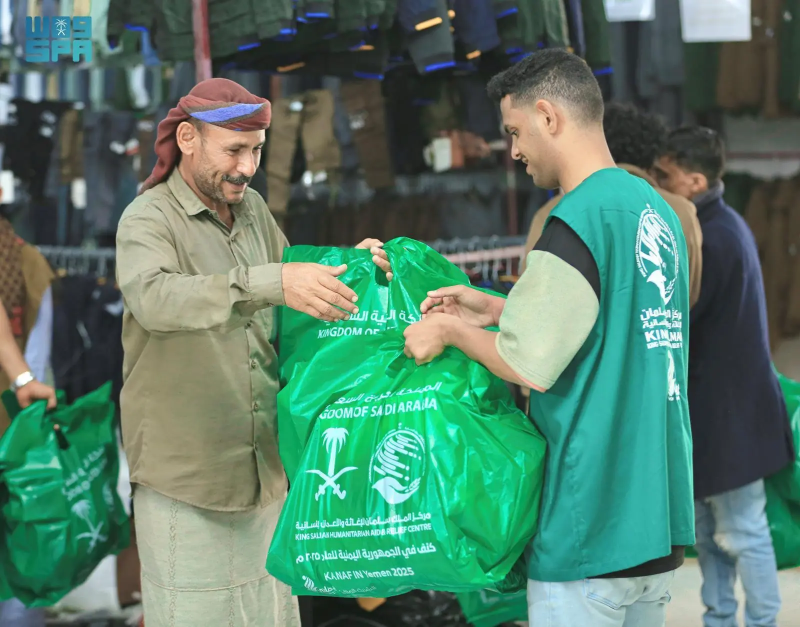

Saudi Arabia has solidified its position as a leading global provider of humanitarian aid, ranking second worldwide and first in the Arab region for contributions in 2025, according to data from the United Nations Financial Tracking Service. The Kingdom’s substantial assistance, particularly to Yemen and Syria, underscores its commitment to international relief efforts. This ranking reflects a sustained focus on global assistance initiatives spearheaded by the King Salman Humanitarian Aid and Relief Centre (KSrelief).
The recently published 2024 report on development assistance details Saudi Arabia’s performance, placing it second among 16 non-member donor countries and tenth globally when considering all 48 donor nations. These figures are tracked in real-time via the Saudi Aid Platform, a comprehensive resource for monitoring the Kingdom’s charitable contributions. The data highlights a significant and ongoing investment in alleviating suffering around the world.
Saudi Arabia’s Leadership in Humanitarian Aid
The Kingdom’s prominence in humanitarian aid is not a new development. Saudi Arabia has consistently been a major donor, particularly in response to crises in the Middle East and Africa. According to the UN Financial Tracking Service, in 2025, nearly half (49.3 percent) of all aid provided to Yemen originated from Saudi Arabia. This demonstrates a focused and substantial commitment to addressing the ongoing humanitarian crisis in the country.
Focus on Yemen and Syria
Beyond Yemen, Saudi Arabia also ranks as the second-largest donor of aid to Syria. This support encompasses a wide range of assistance, including food security programs, medical supplies, and shelter for displaced populations. The Kingdom’s contributions are channeled through various organizations, including KSrelief and other international partners.
Dr. Abdullah Al Rabeeah, Advisor at the Royal Court and Supervisor General of KSrelief, emphasized the Kingdom’s dedication to alleviating human suffering. He stated that this leadership reflects a deeply held cultural value of generosity and a prioritization of human dignity. This commitment is rooted in Islamic principles and the Kingdom’s historical role as a regional and global leader.
However, providing international assistance in conflict zones presents significant logistical and political challenges. Ensuring aid reaches those most in need, while navigating complex security situations and political sensitivities, requires careful coordination and robust monitoring mechanisms. KSrelief works closely with UN agencies and other humanitarian organizations to address these challenges.
The Saudi Aid Platform and Transparency
The Saudi Aid Platform, launched in recent years, represents a significant step towards transparency and accountability in the Kingdom’s charitable giving. This online resource provides real-time data on Saudi Arabia’s aid contributions, categorized by recipient country, sector, and implementing partner. The platform aims to demonstrate the scale and scope of the Kingdom’s humanitarian efforts to a global audience.
Additionally, the platform allows for greater scrutiny of aid distribution, helping to ensure that resources are used effectively and efficiently. This commitment to transparency aligns with international best practices in humanitarian assistance and strengthens the Kingdom’s credibility as a donor nation. The platform is regularly updated with the latest data, providing a dynamic overview of ongoing projects.
Meanwhile, the Kingdom’s approach to humanitarian aid extends beyond immediate relief efforts. KSrelief also focuses on long-term development projects aimed at building resilience and promoting sustainable solutions in vulnerable communities. These initiatives include programs in education, healthcare, and economic empowerment.
In contrast to some other donor nations, Saudi Arabia often provides aid with fewer conditionalities attached. This approach, according to some observers, allows for a more flexible and responsive aid delivery system, better tailored to the specific needs of recipient countries. However, this approach has also drawn scrutiny from those who advocate for greater accountability and transparency in aid spending.
The success of Saudi Arabia’s humanitarian efforts is directly linked to the support of King Salman and Crown Prince Mohammed bin Salman. Their leadership has been instrumental in prioritizing humanitarian assistance and allocating the necessary resources to achieve these international rankings. This high-level commitment has fostered a culture of generosity and a dedication to making a tangible global impact.
Looking ahead, Saudi Arabia is expected to continue its significant role in providing humanitarian assistance globally. The Kingdom has pledged to maintain its commitment to supporting vulnerable populations and addressing humanitarian crises around the world. Future reports from the UN Financial Tracking Service will provide further insight into the evolving landscape of international aid and Saudi Arabia’s continued contributions. Monitoring the impact of ongoing projects and adapting strategies to address emerging challenges will be crucial in sustaining the Kingdom’s leadership in this vital field.