


RIYADH — Saudi Arabia is solidifying its position as a global humanitarian leader, ranking second worldwide and first in the Arab region for humanitarian aid in 2025, according to data from the United Nations Financial Tracking Service. The Kingdom’s contributions were particularly significant in Yemen, accounting for nearly half of all aid received by the country. This commitment reflects a long-standing policy of international assistance and a focus on alleviating suffering globally.
The UN data, released in a 2024 report on development assistance, shows Saudi Arabia placed second among 16 non-member donor countries and tenth globally when considering all 48 donor nations. This ranking highlights the substantial financial resources the Kingdom dedicates to international relief efforts, especially in ongoing crises. The figures are publicly accessible through the Saudi Aid Platform, a comprehensive resource for tracking the nation’s charitable contributions.
Saudi Arabia’s Growing Role in Global Humanitarian Aid
Saudi Arabia’s increased prominence in humanitarian aid is a relatively recent development, accelerating alongside the nation’s broader economic and political ambitions. Historically, the Kingdom’s charitable giving was largely channeled through private donations and religious organizations. However, the establishment of the King Salman Humanitarian Aid and Relief Centre (KSrelief) in 2015 marked a shift towards a more centralized and strategically coordinated approach to international assistance.
Dr. Abdullah Al Rabeeah, Advisor at the Royal Court and Supervisor General of KSrelief, emphasized the Kingdom’s dedication to alleviating human suffering. He stated that Saudi Arabia views its leadership in these efforts as a core value, rooted in Islamic principles of generosity and respect for human dignity. This perspective underscores the motivations behind the Kingdom’s substantial financial commitments.
Focus on Yemen and Syria
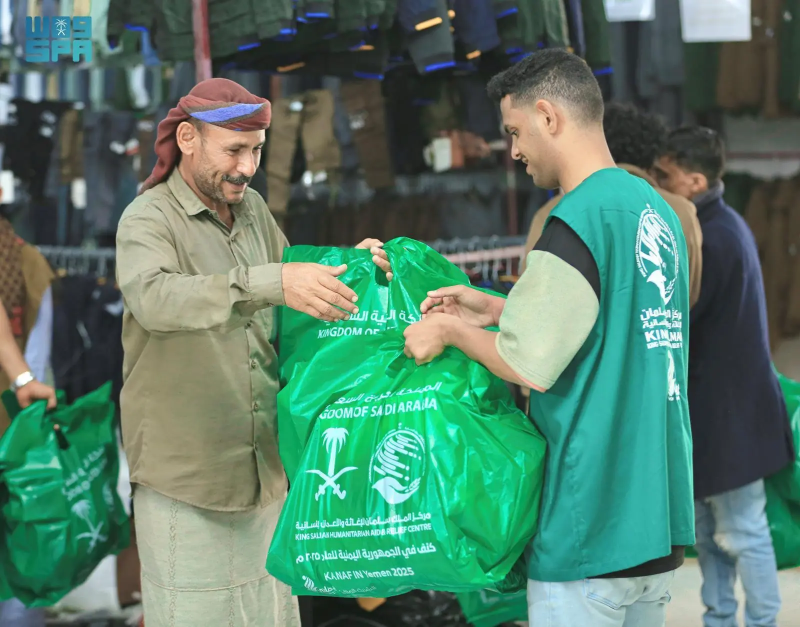
The UN report specifically highlights Saudi Arabia’s leading role in providing aid to Yemen, contributing 49.3 percent of the total assistance received. This support is critical given the ongoing civil war and resulting humanitarian crisis in Yemen, which has created one of the world’s most severe food security situations. The Kingdom’s aid encompasses a wide range of necessities, including food, medical supplies, and shelter.
Additionally, Saudi Arabia ranks as the second-largest donor of humanitarian assistance to Syria. The Syrian conflict, now in its thirteenth year, has displaced millions and created immense humanitarian needs. Saudi Arabia’s support for Syria, while complex given the political landscape, focuses on providing essential aid to vulnerable populations.
The Saudi Aid Platform and Transparency
The Saudi Aid Platform, described as the largest of its kind in the region, is a key component of the Kingdom’s strategy. It provides real-time data on Saudi Arabia’s aid programs, promoting transparency and accountability. This platform allows stakeholders, including recipient countries, international organizations, and the public, to track the flow of funds and assess the impact of assistance.
The development of the platform reflects a growing emphasis on demonstrating the effectiveness of Saudi Arabia’s aid programs. Previously, tracking and evaluating the impact of aid were challenging. The platform aims to address these issues by providing a centralized and accessible source of information.
The Kingdom’s commitment to humanitarian work is supported by both King Salman and Crown Prince Mohammed bin Salman, who have publicly prioritized these efforts. This high-level support has been instrumental in securing funding and streamlining the delivery of aid. It also signals a long-term strategic investment in the Kingdom’s international image and influence.
However, the effectiveness of aid delivery in conflict zones like Yemen and Syria remains a complex issue. Challenges include logistical hurdles, security concerns, and the potential for diversion of funds. International observers continue to monitor the situation to ensure aid reaches those most in need. The ongoing political instability in these regions also complicates long-term recovery efforts.
The increase in Saudi Arabia’s development assistance is occurring alongside broader geopolitical shifts in the Middle East. The Kingdom is actively pursuing a more assertive foreign policy, and humanitarian aid is increasingly viewed as a tool for strengthening diplomatic ties and promoting regional stability. This strategic dimension adds another layer of complexity to the analysis of Saudi Arabia’s aid programs.
Looking ahead, Saudi Arabia is expected to continue its significant role in global humanitarian efforts. The Kingdom has pledged ongoing support for Yemen and Syria, and is likely to respond to future crises as they arise. The UN will continue to track and report on donor contributions, providing a benchmark for assessing the Kingdom’s performance. Further analysis will be needed to determine the long-term impact of Saudi Arabia’s aid programs and their contribution to sustainable development in recipient countries.
The next major report from the UN Financial Tracking Service is anticipated in late 2025, providing a comprehensive overview of global humanitarian funding trends and Saudi Arabia’s position within them. Monitoring the updates on the Saudi Aid Platform will also offer insights into the Kingdom’s evolving aid priorities and initiatives.