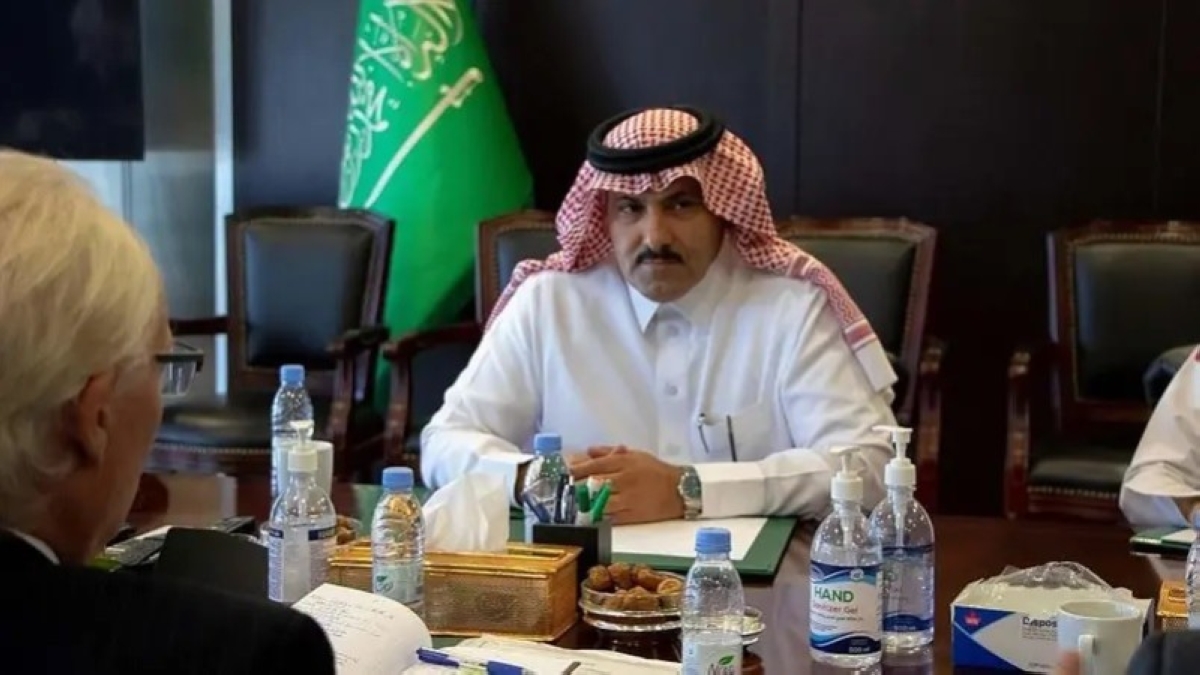

Recent escalations in southern Yemen have drawn sharp criticism from Saudi Ambassador to Yemen, Mohammed Al-Jaber, who directly accused Aidarus Al-Zubaidi, leader of the Southern Transitional Council (STC), of obstructing peace efforts. Al-Jaber stated the STC is prioritizing personal agendas over the interests of the Yemeni people. The dispute centers on control of key areas, particularly oil-rich regions like Hadramout and Al-Mahra, and raises concerns about the fragile stability within Yemen.
The escalating tensions involve the refusal of the STC to withdraw from areas seized in December and, most recently, the denial of landing permission for a Saudi delegation intending to negotiate de-escalation. According to Al-Jaber’s statement on Facebook, these actions demonstrate a deliberate strategy of escalation and disregard for ongoing peace initiatives.
Southern Transitional Council Actions Fuel Yemen Instability
The root of the current conflict lies in the long-standing demands for autonomy or independence for southern Yemen. The STC, a prominent separatist movement, has sought greater political power and control over the south’s resources. These ambitions have frequently clashed with the internationally recognized Yemeni government and, more recently, with Saudi Arabia’s attempts to broker a unified approach to peace.
Al-Jaber explicitly criticized Al-Zubaidi for making unilateral decisions without adhering to commitments made as a member of the Presidential Leadership Council (PLC). This council was formed to represent a broad spectrum of Yemeni political forces and is intended to guide the country toward a comprehensive peace agreement.
Escalation in Hadramout and Al-Mahra
The STC launched an offensive in early December targeting the Hadramout and Al-Mahra governorates, strategically important due to their oil reserves. Despite calls for withdrawal from both the Yemeni government and local tribal leaders, the STC has maintained its presence in these areas. This move has exacerbated existing regional rivalries and complicated efforts to address Yemen’s humanitarian crisis.
The Saudi ambassador alleges that the attack on Hadramout and Al-Mahra was a direct order from Al-Zubaidi and represented a significant obstacle to stability. He further claimed the STC leader is pursuing “personal political and financial interests” that are detrimental to Yemen as a whole.
Blocked Diplomatic Efforts
Adding another layer of complexity, Al-Jaber revealed that Al-Zubaidi refused to authorize the landing of a Saudi plane carrying officials destined for Aden. This delegation was poised to meet with STC leadership in search of a resolution to the current crisis. The denial reportedly occurred after discussions with some STC members had already established an agreement for the flight’s arrival.
Additionally, Al-Zubaidi allegedly issued instructions to close air traffic at Aden Airport, a move described by Al-Jaber as “irresponsible” and damaging to the Yemeni population. This action significantly disrupts the flow of aid and essential personnel into the region, hindering humanitarian operations and further isolating the city.
The situation is complicated by accusations that the United Arab Emirates (UAE) provides support to the STC, concerns that have prompted appeals from the Yemeni government for the UAE to withdraw its forces. Aden has specifically called for the withdrawal of UAE forces following their backing of the STC’s actions. These alleged external influences add another dimension to the internal power struggles within Yemen’s civil war.
The Yemeni Presidency has consistently urged the STC to de-escalate and condemned their actions in several key governorates. However, these calls have largely been ignored, contributing to a worsening security situation and increased suffering for civilians. The ongoing conflict has undoubtedly deepened the humanitarian challenges facing the country.
Observers note that the current impasse raises questions about the future of the PLC and its ability to effectively govern. The council’s credibility hinges on the cooperation of its members, and Al-Zubaidi’s actions directly challenge its authority. Without unified leadership, the prospects for a lasting peace settlement in Yemen remain bleak.
Looking ahead, the immediate priority for Saudi Arabia and other international actors is to secure the reopening of Aden Airport and facilitate a direct dialogue with Al-Zubaidi. The timeline for any potential breakthrough is uncertain, as Al-Zubaidi has demonstrated a pattern of intransigence. The key to de-escalation likely lies in addressing the STC’s underlying grievances regarding representation and resource control, but achieving consensus on these issues will be a difficult and protracted process. Any agreements reached will need to be carefully monitored to ensure compliance and prevent a resurgence of violence in the region.
The long-term stability of Yemen remains dependent on a comprehensive political solution that addresses the root causes of the conflict and promotes inclusive governance. The possibility of further escalation and the potential for wider regional involvement cannot be ruled out.