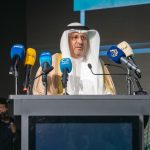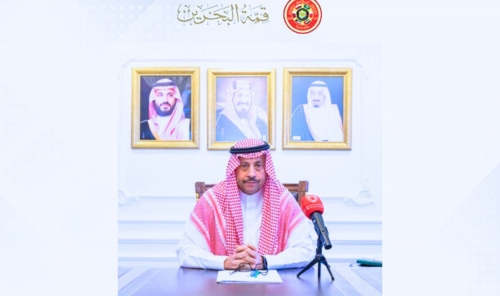

Bahrain’s recent hosting of the 46th Gulf Cooperation Council (GCC) Summit has been widely recognized as a testament to the Kingdom’s pivotal role in fostering regional unity and stability. Saudi Arabia’s Ambassador to Bahrain, His Highness Naif bin Bandar Al Sudairi, underscored the significance of this event, highlighting Bahrain’s consistent commitment to advancing political, economic, and security coordination amongst GCC member states. The summit represents a crucial moment for the region, solidifying the GCC’s position as a key player in navigating complex global challenges. This article will delve into the importance of the summit, Bahrain’s role, and the future of GCC cooperation.
Bahrain’s Central Role in Regional Stability
His Highness Al Sudairi emphasized that Bahrain’s decision to host the 46th GCC Summit wasn’t simply a logistical undertaking. It was a deliberate demonstration of the Kingdom’s unwavering belief in the power of collective action. “This is not merely an organisational task,” he stated, “It reflects a deep belief in the importance of joint action aimed at strengthening Gulf unity.”
Bahrain, under the leadership of His Majesty King Hamad bin Isa Al Khalifa, has long been a proactive force in promoting dialogue and consensus within the GCC. This latest summit builds upon decades of dedicated effort to enhance cooperation and integration across the region, positioning Bahrain as a trusted mediator and facilitator. The Kingdom’s strategic location and established diplomatic ties further contribute to its importance in regional affairs.
The Summit’s Focus: Unified Foreign Policy and Security
The timing of the summit is particularly noteworthy, occurring amidst a period of rapid and significant global and regional shifts. These developments directly impact the security, stability, and overall progress of the Gulf nations. Consequently, a key objective of the gathering was to reinforce agreement on unified foreign policy positions and coordinated responses to emerging crises.
Strengthening Responses to Regional Challenges
The Ambassador highlighted the need for a cohesive approach to address issues such as terrorism, climate change, and ensuring energy and food security. These are cross-border challenges that demand collaborative solutions, and the GCC summit provided a platform for leaders to strategize and commit to joint initiatives. A unified front is seen as essential to maintaining regional influence and protecting shared interests.
The summit’s expected outcomes include a stronger GCC voice on the international stage, capable of effectively advocating for the region’s concerns and contributing to global security efforts. This focus on a unified approach is vital in a world increasingly characterized by geopolitical uncertainty.
Deepening Economic Integration within the GCC
Beyond political and security matters, the 46th GCC Summit also addressed the critical need for deeper economic integration. This includes streamlining trade regulations, fostering investment opportunities, and promoting diversification of economies within the bloc. Economic cooperation is viewed as a cornerstone of long-term stability and prosperity for the Gulf region.
His Highness Al Sudairi noted the shared dedication of His Majesty King Hamad and the Custodian of the Two Holy Mosques King Salman bin Abdulaziz Al Saud to strengthening economic ties. Successive GCC summits have consistently prioritized initiatives aimed at creating a more integrated and competitive regional economy. This commitment is reflected in ongoing projects related to a common market, customs union, and monetary union.
The Saudi-Bahrain Relationship: A Model for the GCC
The historic and strategic ties between Saudi Arabia and Bahrain were also emphasized as a model for Gulf relations and solidarity. His Highness Al Sudairi described the relationship as being firmly grounded in shared values, aligned regional positions, and continuous consultation between the two Kingdoms’ leadership.
This close collaboration serves as a powerful example of the benefits of unity and cooperation within the GCC. The Ambassador underscored that this strong bilateral relationship is not an isolated case, but rather a reflection of the broader spirit of camaraderie and mutual support that characterizes the GCC.
The Role of Media in Promoting Gulf Unity
Recognizing the power of communication, His Highness Al Sudairi commended the role of Gulf media in strengthening regional identity and presenting a unified narrative to the world. He stressed the responsibility of media outlets to provide balanced coverage that accurately reflects official positions, developmental achievements, and the region’s commitment to security and stability.
In an era of rapid technological and political change, the media plays a crucial role in shaping public perception and fostering understanding. The Ambassador urged Gulf media to prioritize constructive reporting that promotes dialogue and reinforces the values of unity and cooperation.
In conclusion, Bahrain’s hosting of the 46th GCC Summit was a resounding success, reaffirming the Kingdom’s commitment to regional stability and its leadership role within the GCC. The summit’s focus on unified foreign policy, enhanced security cooperation, and deepened economic integration underscores the collective determination of Gulf nations to address shared challenges and build a more prosperous future. The strong ties between Saudi Arabia and Bahrain serve as a powerful example of the benefits of GCC cooperation, and the role of the media is vital in promoting a unified narrative. As the region continues to evolve, the principles of dialogue, balance, and openness championed by the GCC will remain essential for maintaining peace and fostering sustainable development.