
Kuwait is actively investing in bolstering its diplomatic capabilities through strategic international partnerships. A recent agreement between the Kuwaiti Saud Al-Nasser Diplomatic Institute and Georgetown University signifies a significant step forward in this endeavor, promising enhanced training and professional development for the nation’s foreign affairs personnel. This collaboration aims to equip Kuwaiti diplomats with the skills and knowledge necessary to navigate an increasingly complex global landscape.
Strengthening Kuwait’s Diplomacy: Saud Al-Nasser Institute & Georgetown University Collaboration
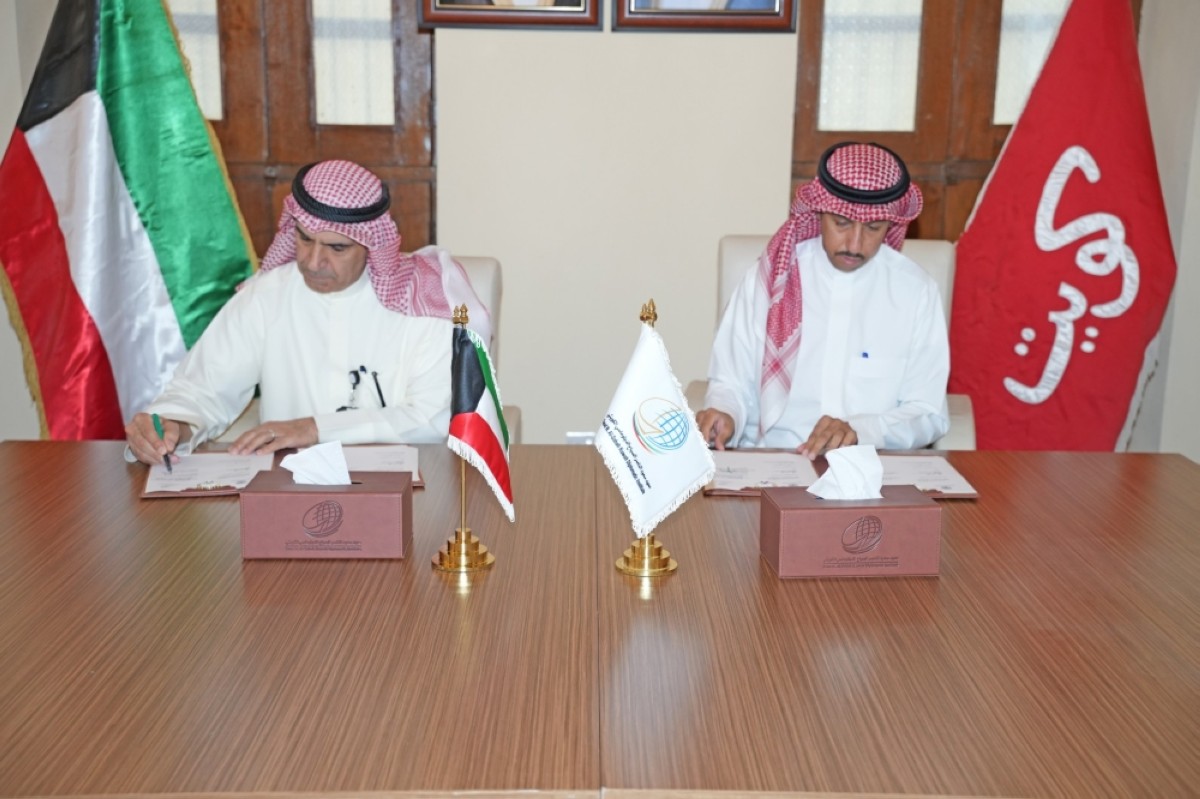
The Kuwaiti Saud Al-Nasser Diplomatic Institute (KSADI) has formalized a partnership with Georgetown University through the signing of a Memorandum of Understanding (MoU). This agreement will foster the creation of joint programs and activities specifically designed to elevate the professional capacities of employees within the Kuwaiti Ministry of Foreign Affairs. The initiative demonstrates Kuwait’s commitment to proactive diplomacy and effective international representation.
The MoU signing, as reported by the Kuwait News Agency (KUNA), was presided over by Ambassador Nasser Al-Sabeeh, Assistant Foreign Minister for the Saud Al-Nasser Institute, and Dr. Soyica Colbert of Georgetown University. This collaboration isn’t just a symbolic gesture; it represents a concrete plan for skills enhancement and knowledge transfer, vital for a nation playing an increasingly important role on the world stage.
Focus on Training and Skill Development
The core of the MoU lies in the development of a comprehensive range of training programs and workshops. These initiatives will be tailored to the evolving needs of the Ministry of Foreign Affairs, addressing key areas crucial for modern diplomatic practice. Such topics are likely to include negotiation strategies, international law, conflict resolution, and cross-cultural communication.
These programs aren’t intended as introductory courses, but rather as avenues for professional development for experienced diplomats. The aim is to refine existing skills, introduce new methodologies, and broaden understanding of global issues. This focused approach underscores Kuwait’s intention to build a highly competent and adaptable diplomatic corps.
Benefits of Partnering with a Leading Academic Institution
Georgetown University’s School of Foreign Service is consistently ranked among the top institutions for the study of international relations. Selecting Georgetown as a partner brings a wealth of expertise, established curricula, and renowned faculty to the table. This international relations training will undoubtedly benefit Kuwaiti diplomats.
Furthermore, Georgetown’s extensive network and research capabilities will provide valuable resources for analyzing global trends and developing informed policy recommendations. The partnership allows KSADI to leverage cutting-edge academic research and best practices in diplomatic education. This is a smart investment in long-term diplomatic success.
The Importance of Diplomatic Capacity Building
In a world characterized by shifting geopolitical alliances and emerging challenges, a well-trained and adaptable diplomatic service is absolutely paramount. Kuwait, strategically located and actively engaged in regional and international affairs, recognizes this necessity. Developing strong diplomatic ties is a key aspect of Kuwait’s foreign policy.
The benefits of investing in diplomatic capacity are multifaceted. A skilled diplomatic corps can:
- Effectively advocate for Kuwait’s national interests.
- Promote regional stability and cooperation.
- Strengthen bilateral relationships with key partners.
- Successfully navigate complex international negotiations.
- Contribute to a more peaceful and prosperous global order.
This partnership isn’t occurring in a vacuum. Many nations are prioritizing investment in their diplomatic services, understanding that “soft power” and skillful negotiation are often more effective than military strength in achieving long-term goals. Kuwait’s proactive approach positions it favorably to address these challenges.
Beyond the Classroom: Practical Application and Networking
While theoretical knowledge is crucial, the most effective training programs emphasize practical application. It’s anticipated that the collaboration between KSADI and Georgetown University will include simulations, case studies, and opportunities for Kuwaiti diplomats to engage with their counterparts from other nations.
Networking opportunities are also likely to be a significant component of the partnership. Exposure to diverse perspectives and the ability to build relationships with leading figures in the field of international relations will be invaluable for Kuwaiti diplomats seeking to advance their careers and contribute to the nation’s foreign policy goals. The collaboration further signifies KSADI’s commitment to a globally interconnected approach to diplomacy.
In conclusion, the MoU between the Kuwaiti Saud Al-Nasser Diplomatic Institute and Georgetown University represents a strategic investment in Kuwait’s diplomatic future. By focusing on professional development, leveraging the expertise of a leading academic institution, and prioritizing practical application, this partnership will undoubtedly enhance the skills and knowledge of Kuwaiti diplomats, enabling them to more effectively represent the nation’s interests on the global stage. This is a testament to Kuwait’s forward-thinking approach to international affairs and a model for other nations seeking to strengthen their own diplomatic capabilities. We encourage readers to learn more about the Saud Al-Nasser Diplomatic Institute and Georgetown University’s School of Foreign Service to understand the breadth of expertise driving this initiative.