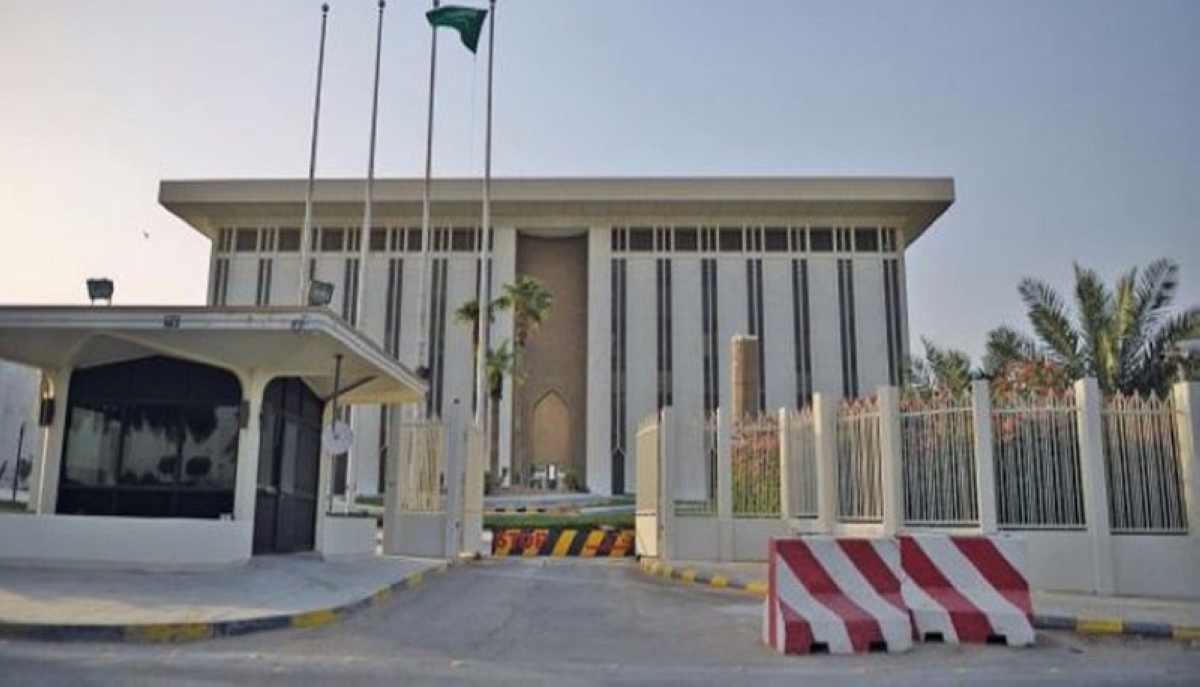

The Saudi Central Bank (SAMA) has unveiled a comprehensive update to its banking fees structure, introducing significant reductions and caps on services offered by financial institutions across the Kingdom. These changes, detailed in the new Fees Guide, aim to bolster transparency, enhance consumer protection and accelerate the adoption of digital financial services. The guide will apply to all banks and payment companies under SAMA’s supervision and take effect within 60 days.
The move impacts a wide range of common banking transactions, from ATM withdrawals and card services to check processing and account maintenance. This represents the first broad edition of the fees guide and the third specific to the banking sector, signaling a continued commitment to regulating costs within the financial industry.
Lower Fees Drive Financial Inclusion & Transparency in Saudi Banking
SAMA’s decision to overhaul the banking fees system reflects a broader national strategy to promote financial inclusion and modernize the Saudi Arabian financial sector. According to the central bank, the updated guide is designed to foster fair pricing, ensuring that consumers aren’t subjected to excessive costs for essential services. This reform is especially notable as Saudi Arabia continues to push towards a cashless society, supported by initiatives like the national digital transformation program, Vision 2030.
The revised framework introduces lower maximum administrative fees on financing products, excluding those related to real estate. Previously capped at 1% of the finance amount or SR5000, whichever was less, the new cap is set at 0.5% or SR2,500. This change directly targets borrowers and could reduce the overall cost of loans and financing options.
Changes to Card and Transaction Fees
A significant portion of the changes focuses on fees associated with Mada, Saudi Arabia’s national debit card scheme. Re-issuance fees for lost or damaged Mada cards, or those requiring reset after multiple incorrect PIN attempts, have been reduced from SR30 to just SR10.
Furthermore, SAMA has capped international transaction fees at 2% of the transaction amount, and international cash withdrawal fees (excluding transactions within the Gulf Cooperation Council region – GCC) at 3% of the amount withdrawn, with a maximum fee of SR25. The central bank also capped fees for disputing transactions or account statements at SR15.
It’s important to note that Mada card delivery charges are not included in these fee adjustments, and customers retain the option of collecting new cards directly from their bank branches without incurring additional costs.
Reduced Costs for Traditional Banking Services
Traditional banking services are also benefiting from the new regulations. The issuance fee for a bank check has been halved, dropping from SR10 to SR5. Retrieving a copy of a check more than one year old will now cost SR10, down from SR20.
Fees related to standing payment orders have also seen reductions, with setup fees at a branch decreasing from SR15 to SR5. Notably, revoking a standing payment order will no longer incur any charges. These changes aim to make fundamental banking processes more affordable for individuals and businesses.
Standardized Electronic Transfer Fees
In line with the push for digital payments, the new guide standardizes fees for electronic transfers within the Kingdom. Transfers of up to SR2500 will incur a fee of SR0.5, while those exceeding SR2500 but not surpassing SR20,000 will be charged SR1. This aims to create a predictable and affordable system for digital transactions.
Lower Costs for Account Documentation
Accessing key account documents will become cheaper under the new rules. The initial issuance of a debt confirmation or debt transfer certificate will be free of charge. Account statements for periods less than one year will also be provided without cost. For statements exceeding one year, a fee of SR15 will apply for branch requests, while electronic requests will remain free.
These changes aim to align Saudi Arabia’s financial services with international best practices regarding cost transparency and accessibility. Additionally, the regulations could subtly shift incentives for banking customers to use electronic channels, furthering the country’s digital transformation initiatives.
Financial institutions now have a 60-day window to adjust their systems and ensure full compliance with the updated Fees Guide. The comprehensive document is available for review on SAMA’s official Rulebook website. The impact of these changes on bank profitability remains to be seen, but the expectation is that increased volume driven by lower fees and greater financial inclusion will partially offset any revenue reductions.
Looking ahead, stakeholders will be closely monitoring the implementation of the new framework and its effect on consumer behavior and the competitive landscape of the Saudi banking sector. Subsequent reviews and refinements to the Fees Guide are anticipated as SAMA continues to evolve its regulatory approach to meet the changing needs of the Kingdom’s financial market.