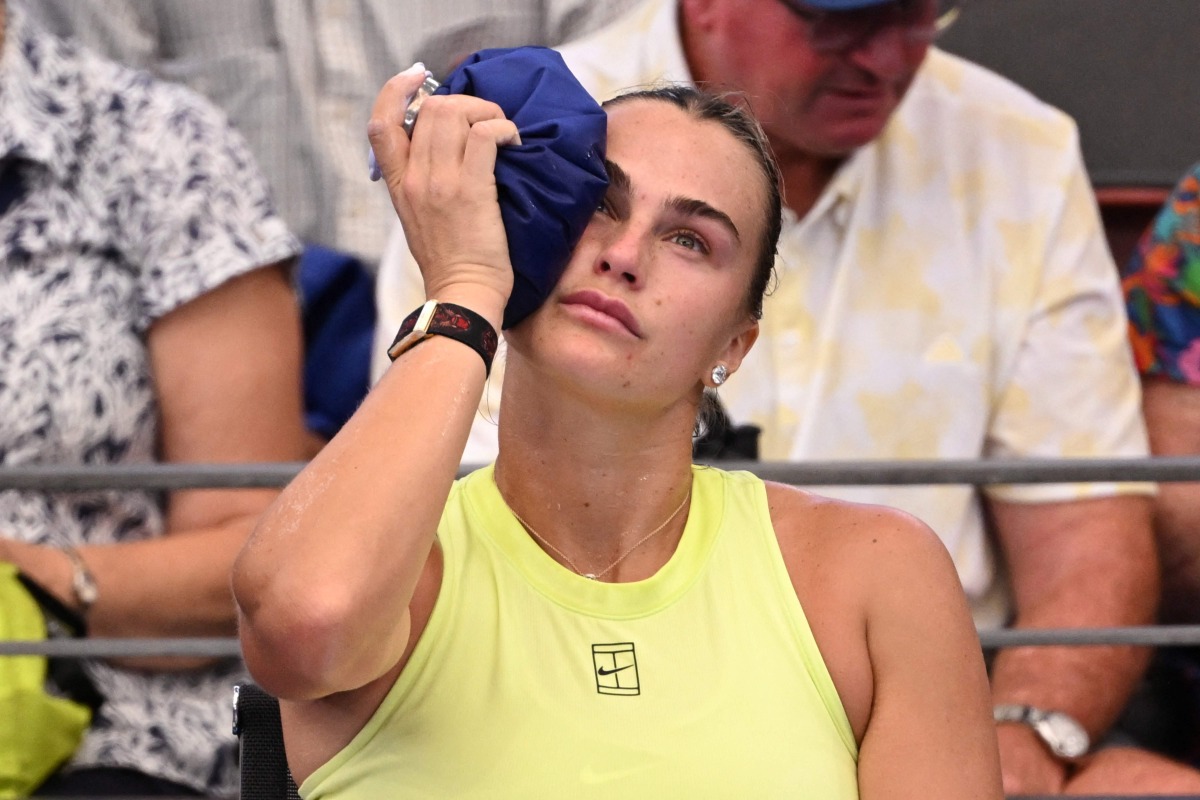

Brisbane, Australia – Top-ranked Belarusian tennis player Aryna Sabalenka publicly criticized the demanding tennis season structure on Thursday, citing concerns over player welfare and an increasing rate of injuries. Speaking during the Brisbane International tournament, Sabalenka indicated she is prepared to accept financial penalties for strategically skipping mandatory events to manage her physical health. The outspokenness of Sabalenka and other leading players highlights a growing tension between tour requirements and the physical toll on athletes.
The comments came during her match against Sorana Cirstea at the year’s first major tournament, according to reports from the Associated Press. Sabalenka’s criticism echoes complaints made by men’s world number one Carlos Alcaraz regarding the arduous schedule of professional tennis, particularly as the Australian Open approaches.
Growing Concerns about the Tennis Season and Player Health
Sabalenka’s central argument revolves around the intensity and length of the current tennis season. She stated the schedule is “insane” and contributes significantly to the number of player injuries seen across the professional tours. The heavier ball conditions, particularly in certain climates, exacerbate the physical strain, she added.
The current calendar, governed by the WTA and ATP tours, features a series of mandatory and optional tournaments throughout the year, culminating in the four Grand Slam events. Players are often contractually obligated to participate in a minimum number of tournaments, triggering potential fines for withdrawals.
The Financial Implications of Prioritizing Wellness
Sabalenka openly acknowledged that her planned absences will likely result in penalties. However, she believes preserving her physical condition is paramount, especially after experiencing difficulties with injuries throughout the previous season. She suggested the tours prioritize financial gain over the well-being of their athletes.
This isn’t an isolated incident. Over the past year, several prominent players have voiced frustrations about the workload, leading to calls for reforms to the calendars. The challenge lies in balancing the demands of sponsors, broadcasters, and tournament organizers with the needs of the players themselves.
Alcaraz and Exhibition Matches
Meanwhile, Carlos Alcaraz is currently participating in an exhibition match against Jannik Sinner in South Korea, a practice that some critics point to as contributing to the problem. Alcaraz’s involvement in such events, despite his concerns about the overall schedule, underscores the complex financial incentives at play for top players. These exhibitions often offer substantial appearance fees.
The issue has sparked debate about the role of exhibition matches and their impact on players’ recovery and preparation for Grand Slam tournaments. Maintaining peak physical form throughout a grueling tennis calendar requires careful management, and the addition of non-tour events can complicate these efforts.
The WTA Tour has yet to directly respond to Sabalenka’s accusations. However, in a statement made to AFP in October, the tour affirmed that “athlete welfare is always a top priority.” This statement conflicts with Sabalenka’s perception that the tours prioritize revenue generation over player health.
The debate over the professional tennis schedule isn’t new, and has intensified with recent injury setbacks experienced by several high-profile athletes. Concerns extend beyond the sheer number of events to include the travel demands and the compressed timeframes between tournaments. Increased talk about a players’ union has emerged as a possible solution to give athletes more collective bargaining power.
Looking ahead, further discussions between the WTA, ATP, and player representatives are expected in the coming months. A potential overhaul of the ranking system and tournament obligations could be considered, but reaching a consensus among stakeholders will be difficult. The outcome will likely hinge on the tours’ willingness to address player concerns and prioritize long-term athlete health over short-term financial gains, and the level of unified advocacy shown by the players themselves regarding sports scheduling and athlete welfare.