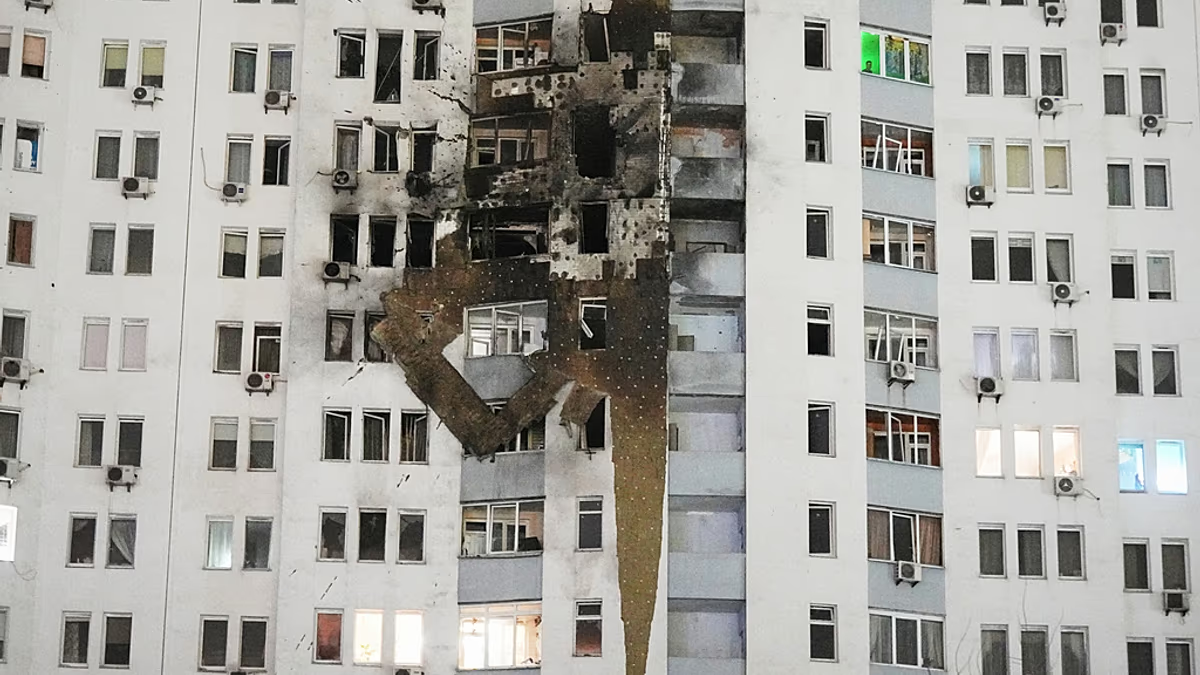

Russia launched a massive overnight attack on Ukraine Friday, utilizing a barrage of drones and missiles, including its newly deployed Oreshnik intermediate-range ballistic missile (IRBM). The attacks targeted critical infrastructure in Lviv and caused casualties and damage in Kyiv, marking one of the largest coordinated assaults in recent months. The increased intensity of these attacks on Ukraine raises concerns about escalating conflict.
According to reports, four people were killed and 19 injured in Kyiv as a result of the missile and drone strikes. Damage was reported to residential buildings across multiple districts, and disruptions to essential services like water and electricity occurred. Meanwhile, in Lviv, Mayor Andriy Sadovyi confirmed the use of the Oreshnik missile, a weapon Moscow has been actively promoting.
Russia’s Oreshnik Missile and Escalating Attacks
The Oreshnik, meaning “hazelnut tree” in Russian, is a relatively new addition to Russia’s arsenal, capable of carrying nuclear payloads and striking targets at extended ranges. It was first reportedly used in an attack on Dnipro in November 2024, though details were initially limited. The speed of the missile was reported by Ukraine’s Western Command of the Air Force to be 13,000 kilometers per hour, presenting significant challenges for air defenses.
The Kremlin claims the recent IRBM attack represents a “response” to alleged Ukrainian attempts to strike President Vladimir Putin’s residence last month. However, both Ukraine and the United States have denied these allegations. US intelligence, as assessed by the CIA, reportedly confirms Ukraine was not behind the attempted attack, a sentiment echoed by President Donald Trump.
Details of the Kyiv Assault
Kyiv Mayor Vitali Klitschko stated a paramedic was among those killed in the capital, and four medical personnel were injured while providing assistance in the Darnytskyi district. Drone debris impacted the roof of a building in the Desnyanskyi district, causing damage to the first two floors. A fire broke out in Dnipro district following a separate drone strike.
The scale of the attack involved 36 missiles and 242 drones of various types, including eight Iskander ballistic missiles and ten Kalibr cruise missiles. Ukrainian air defenses were actively engaged, issuing warnings about ballistic missile threats and intercepting incoming drones, but the sheer volume of the assault proved challenging to fully counter. US aid packages are critical in bolstering these defense capabilities.
Ukrainian President Volodymyr Zelenskyy warned the nation on Thursday evening of potential intensified Russian attacks, highlighting the hazardous conditions created by frigid temperatures and icy roads. He encouraged citizens to seek shelter during air raid alerts. This warning underscores a broader pattern of increasingly frequent and aggressive Russian military actions.
The situation is further complicated by concerns regarding the reliability of information coming from the conflict zone. Differing accounts of the attacks and their targets contribute to a climate of uncertainty. Furthermore, reports of “double-tap” strikes – where a location is hit repeatedly shortly after the initial attack – have fueled accusations of deliberate targeting of civilians.
The latest barrage follows a period of heightened tension and a continued pattern of Russian aggression targeting Ukrainian infrastructure and civilian centers. Analysts suggest Russia’s strategy may aim to cripple Ukraine’s energy grid and demoralize the population ahead of potential future offensives. The use of the Oreshnik missile signals a willingness to deploy increasingly sophisticated weaponry.
Looking ahead, the international community will be closely monitoring the developments on the ground, with a particular focus on the potential for further escalation. Continued military assistance to Ukraine and diplomatic efforts to de-escalate the conflict remain crucial. Stay informed about the ongoing situation through reputable news sources and consider supporting organizations providing humanitarian aid to Ukraine.