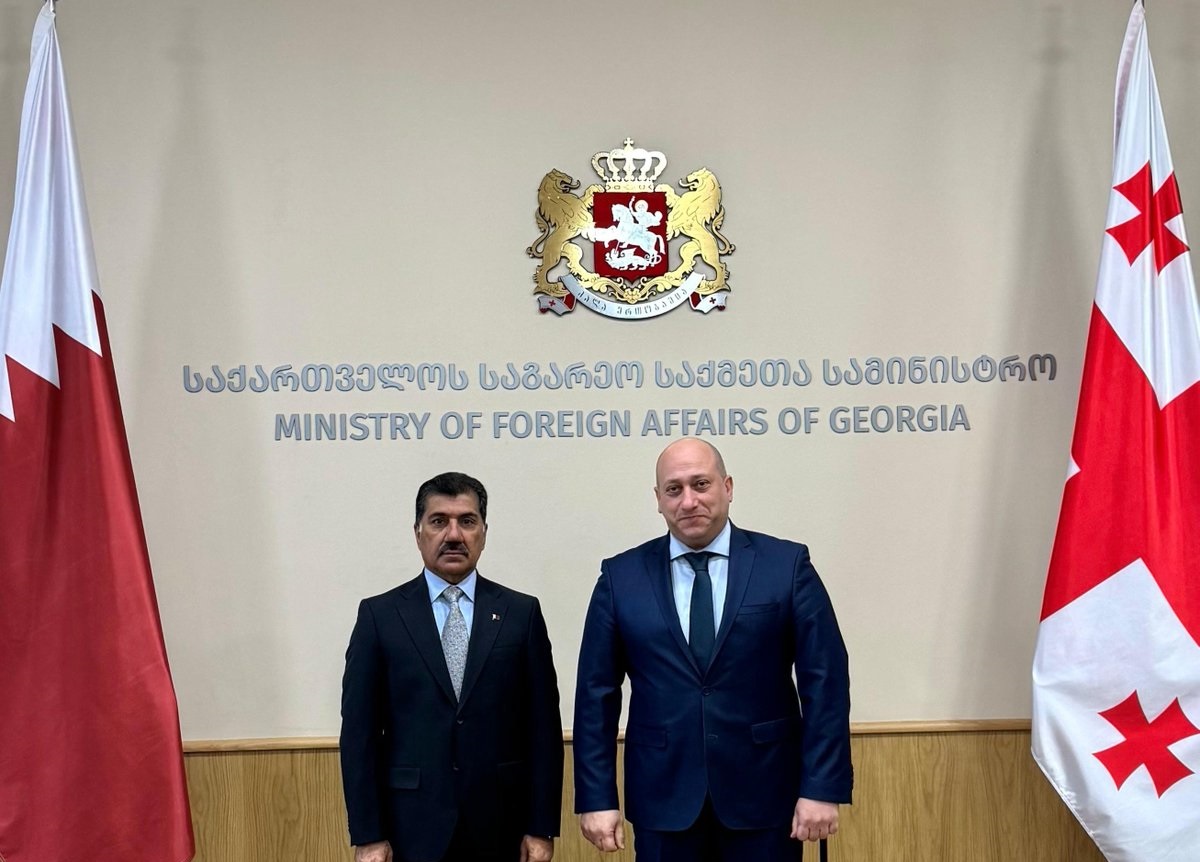

Qatar and Georgia held the fourth round of political consultations in Tbilisi on Friday, reaffirming their commitment to strengthening bilateral ties. The discussions focused on expanding cooperation across various sectors and exploring new avenues for collaboration between the two nations. This latest round of talks underscores the growing relationship between Doha and Tbilisi as both countries seek to diversify their international partnerships.
The Qatari delegation was led by Secretary General of the Ministry of Foreign Affairs, Dr. Ahmed bin Hassan Al Hammadi, while the Georgian side was headed by Deputy Minister of Foreign Affairs Alexander Khvtisiashvili. The consultations took place in the Georgian capital and involved senior officials from both countries’ foreign ministries, according to a statement released by the Qatari Ministry of Foreign Affairs.
Strengthening Qatar-Georgia Relations Through Political Consultations
These political consultations are a key mechanism for regularly reviewing and advancing the Qatar-Georgia relationship. They provide a platform for open dialogue on regional and international issues of mutual concern, as well as specific areas of cooperation. The meetings aim to identify opportunities for increased trade, investment, and cultural exchange.
Areas of Cooperation
While specific details of the discussions were not publicly disclosed, the Ministry of Foreign Affairs indicated that the talks covered a broad range of topics. These likely included potential Qatari investment in Georgia’s infrastructure projects, particularly in areas like transportation and energy. Additionally, discussions may have touched upon collaboration in tourism and education, sectors where both countries see potential for growth.
Georgia has been actively seeking to strengthen its ties with countries in the Middle East, including Qatar, as part of its broader strategy to diversify its foreign policy and attract foreign investment. Qatar, for its part, is keen to expand its diplomatic and economic footprint in the Caucasus region. This aligns with Qatar’s broader foreign policy goals of fostering stability and promoting economic development in strategically important areas.
However, the geopolitical landscape in the region presents challenges. The ongoing conflict in Ukraine and broader tensions in Eastern Europe are likely to have been discussed, as these events have implications for both Qatar and Georgia. The discussions likely addressed the impact of these events on energy security and regional stability, key concerns for both nations.
The meeting also included participation from Qatar’s Ambassador to Georgia, Ali bin Yousef Al Mulla, and Director of the European Affairs at the Ministry of Foreign Affairs, Fahad bin Mohammed Kafoud, alongside their respective delegations. This high-level representation signals the importance both countries place on these bilateral discussions. The presence of officials focused on European affairs suggests a growing interest in aligning policies and exploring potential collaboration within a broader European context.
The diplomatic ties between Qatar and Georgia have been steadily growing in recent years, marked by increasing high-level visits and the signing of several agreements. These agreements cover areas such as air transport, mutual legal assistance, and the avoidance of double taxation. This framework provides a solid foundation for further cooperation and investment. Qatar’s Ministry of Foreign Affairs has consistently emphasized its commitment to strengthening these relationships.
Looking ahead, both countries are expected to continue these bilateral relations through further dialogue and the implementation of existing agreements. The next round of consultations is anticipated to take place in Doha within the next year, although the exact timing remains to be confirmed. Monitoring the progress of Qatari investment projects in Georgia and any new agreements signed will be key indicators of the evolving partnership between the two nations.