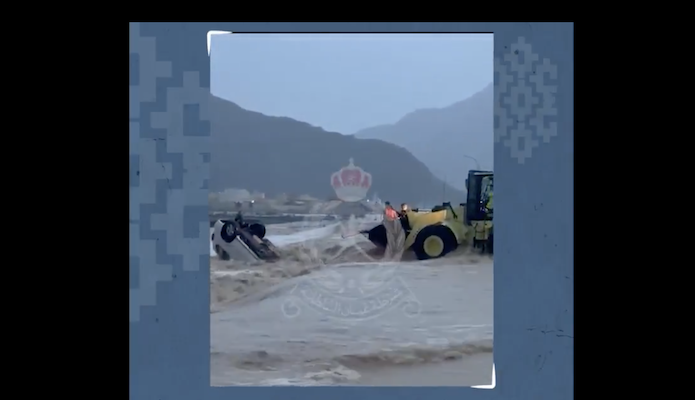

Recent heavy rainfall across Oman has led to hazardous conditions, culminating in a dramatic rescue operation in the Musandam Governorate. The Musandam flooding incident, involving a driver who attempted to navigate a swollen wadi, serves as a stark reminder of the dangers posed by unpredictable weather patterns. Fortunately, swift action by emergency services prevented a tragedy, though the event highlights the importance of heeding local warnings during periods of inclement weather.
Dramatic Rescue in Musandam After Wadi Crossing Attempt
The Royal Oman Police (ROP) in Musandam Governorate successfully rescued a motorist after his vehicle was swept away while attempting to cross a flooded wadi in the Wilayat of Khasab. Despite the perilous situation, the driver escaped serious injury thanks to the rapid response of teams from the Civil Defence and Ambulance Authority (CDAA). This incident underscores the sheer power of flowing water during and after significant rainfall and the critical need for drivers to exercise extreme caution.
The Perils of Driving Through Flooded Wadis
Wadis, the riverbeds that are usually dry in Oman, transform into raging torrents with remarkably little rainfall in the surrounding mountains. The water flow can be deceptively strong and unpredictable, easily carrying away even larger vehicles. Authorities consistently advise against attempting to cross flooded wadis under any circumstances. Waiting for the water levels to subside, even if it means a delay, is always the safest option. This recent event in Musandam serves as a potent example of why that advice must be followed.
Widespread Rainfall Impacts Northern Oman
The incident in Khasab wasn’t an isolated one; it occurred amidst a period of sustained and significant rainfall affecting several northern governorates of the Sultanate. The Oman weather system brought widespread disruption, and the CDAA and ROP remain on high alert, managing multiple incidents related to the severe conditions. The ongoing situation has prompted widespread advisories to the public, urging them to prioritize safety and avoid unnecessary travel.
Key Weather Patterns Across the Region
Meteorological reports indicate several key characteristics of the current weather system:
Widespread Cloud Cover: The northern regions of Oman are experiencing significant cloud cover, reducing visibility and leading to noticeably lower temperatures than usual for this time of year.
Variable Rainfall: Rainfall intensity has varied across the region, ranging from moderate showers to heavy downpours. Some areas have received particularly substantial amounts of rain, exacerbating the risk of flooding and wadi overflow.
Active Wadi Flows: This is arguably the most significant impact. Many wadis throughout the affected governorates are experiencing peak flow levels, making crossings exceptionally dangerous and even deadly. Roads have been closed due to wadi crossings becoming impassable.
Safety Measures and Official Advice
The ROP and CDAA are working tirelessly to monitor the situation and respond to emergencies. They are deploying personnel and resources to assist those affected by the rainfall and to prevent further incidents. The public is strongly urged to follow these safety guidelines:
Avoid Wadi Crossings: This is the most crucial advice. Do not attempt to cross any wadi, even if it appears shallow. The current can be incredibly powerful and rapidly change.
Check Weather Forecasts: Stay updated on the latest weather forecasts and warnings issued by the Oman Meteorology Authority. This information will help you plan your travel and avoid potentially hazardous areas.
Secure Property: Residents in areas prone to flooding should take steps to secure their property and belongings. This may include moving valuables to higher ground and reinforcing structures against potential water damage.
Report Emergencies: In the event of an emergency, immediately contact the CDAA or ROP. Prompt reporting can help ensure a swift and effective response. The prompt rescue in the Musandam flooding situation highlights the importance of rapid response capabilities.
Additionally, it’s advised to postpone non-essential travel until the weather conditions improve. Staying off the roads allows emergency services to operate more efficiently and reduces the risk of accidents.
Looking Ahead and Staying Prepared
While the current rainfall is expected to subside in the coming days, Oman is prone to flash floods during the rainy season. It’s crucial for residents and visitors alike to be aware of the risks and to take appropriate precautions. Understanding the dynamics of Oman weather patterns, particularly concerning wadis, is key to staying safe.
The ROP’s continued monitoring and the CDAA’s readiness are vital. However, individual responsibility remains paramount. Respecting nature’s power and adhering to safety guidelines are the best ways to avoid becoming another statistic in a tragic weather-related incident, especially when facing potentially dangerous wadi crossings.
This latest incident in Musandam serves as a critical reminder of the power of nature and the necessity of prioritising safety during periods of heavy rainfall. Stay informed, stay cautious, and heed the advice of local authorities to ensure a safe and uneventful experience in Oman.