
Doha, Qatar – The FIFA Arab Cup Qatar 2025 Local Organising Committee (LOC) is providing extensive media services to support comprehensive coverage of the tournament. These services aim to facilitate the work of journalists and media professionals from across the globe, offering access to state-of-the-art facilities and streamlining operations ahead of the competition. The LOC is prioritizing ease of access and quality infrastructure for the anticipated influx of media representatives.
The initiative, launched in preparation for the tournament, centers around two primary hubs: the Main Media Centre (MMC) at the Qatar National Convention Centre and a dedicated Broadcasting Hub within the vibrant Souq Waqif. The LOC reports these facilities are currently supporting 1,300 media outlets representing 70 countries, demonstrating the widespread interest in the Arab Cup. These preparations mark a significant investment in media facilitation for a major regional sporting event.
Enhanced Media Facilities for the 2025 Arab Cup
A key component of the LOC’s strategy is a strategic partnership with Media City Qatar, enabling the creation of purpose-built facilities. These collaborative efforts ensure the infrastructure meets the specific needs of a diverse international media contingent. This focus on dedicated resources distinguishes the 2025 tournament from previous iterations.
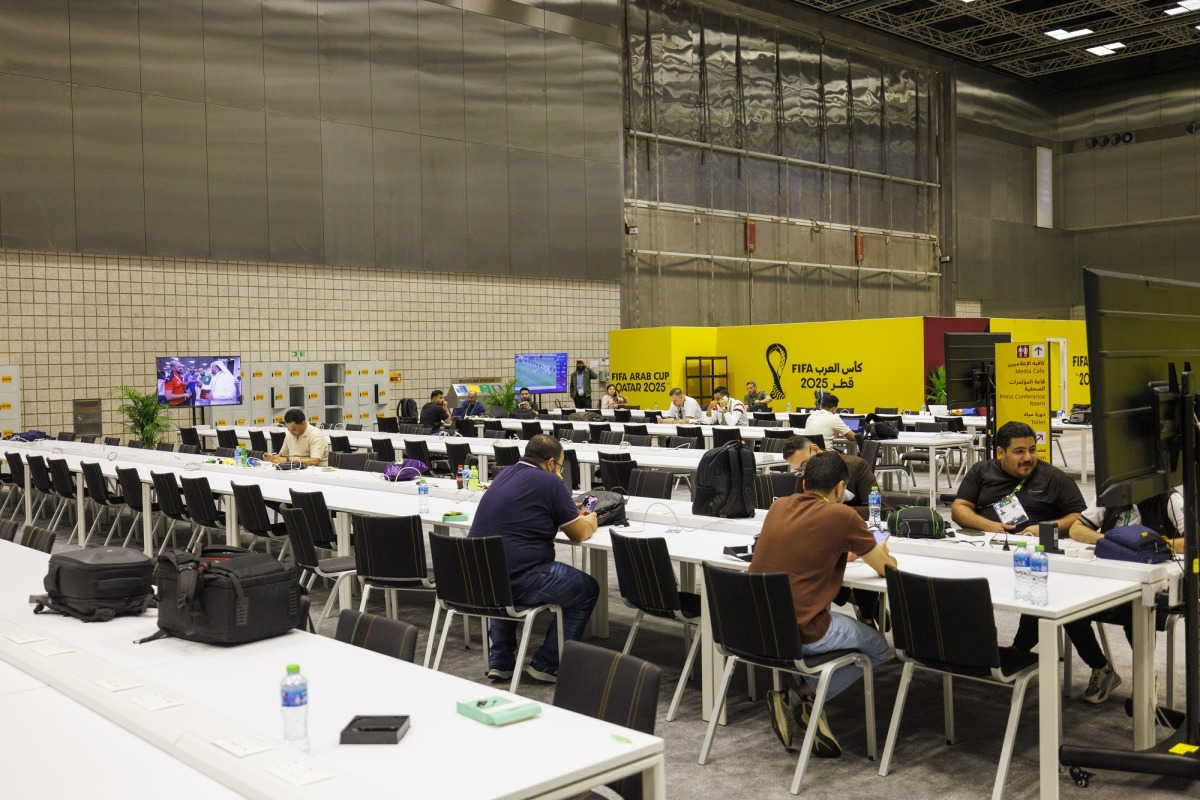
The Main Media Centre, situated at the Qatar National Convention Centre, functions as a centralized workspace for journalists. It provides essential resources including a media information desk, dedicated interview areas, media briefing rooms, catering services, and comprehensive operational support. This holistic approach allows journalists to operate efficiently from a single location.
Additionally, the Broadcasting Hub located in Souq Waqif offers a unique broadcasting environment. The complex features two state-of-the-art broadcast studios staffed with experienced production teams. Currently, 16 broadcasters are utilizing these studios daily to produce and air programmes, leveraging the distinctive cultural backdrop for live coverage.
Stadium-Specific Support
Beyond the central hubs, the LOC is also operating dedicated media centers at each of the six stadiums hosting matches. This decentralized approach aims to provide convenient access to information and resources for journalists covering events at specific venues. These on-site facilities will be crucial for quick reporting and access during matches.
Mohammed Al Khanji, Director of Local and Regional Media at the LOC, emphasized the organization’s intent: “Our objective was to create an environment where journalists can focus entirely on their work, supported by infrastructure that meets international standards.” The LOC hopes to position the tournament as highly accessible for media reporting.
Journalists covering the event have already praised the provided facilities. Said Al Kharusi, a journalist with Oman Sports TV, noted the efficiency and comfort afforded by the MMC. He highlighted the benefit of having all necessary resources readily available, fostering collaboration between regional media outlets. The quality of the media spaces is expected to improve sports coverage in the region.
Awad Elgeed Alkabashi, a presenter from Sudan TV, spoke to the impact of the Broadcasting Hub. He stated the studios remove significant financial and logistical barriers frequently encountered in professional broadcasting and are poised to become a talking point within the Arab media landscape. The facilities will likely ease the overall process of event broadcasting.
The enhancements to media services reflect the LOC’s broader commitment to fostering engagement with audiences throughout the Arab world. This investment aims to ensure the tournament resonates deeply with fans across the region and internationally, promoting the Qatar 2025 event. The LOC views robust media coverage as essential for maximizing the tournament’s reach and impact.
Looking ahead, the focus will remain on ensuring the smooth operation of these facilities throughout the tournament. Ongoing assessment of media needs and feedback from journalists will be critical. The success of the media services is contingent on continued logistical support and adaptability as the tournament progresses, with potential adjustments based on real-time demands.